
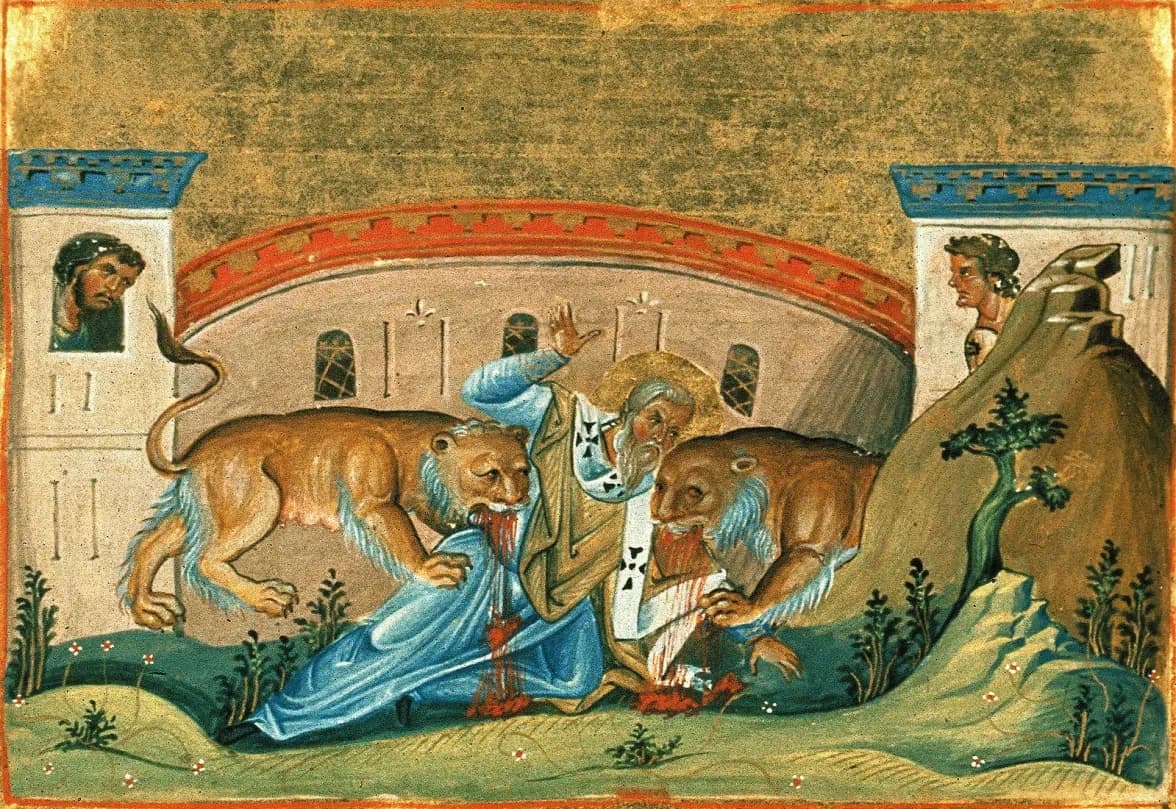
Smyrna (İzmir), Turkey
c. 110On his way to execution in Rome, Ignatius, bishop of Antioch, wrote seven letters to churches along his route. In them he urged each congregation to gather around a single bishop, assisted by presbyters and deacons.
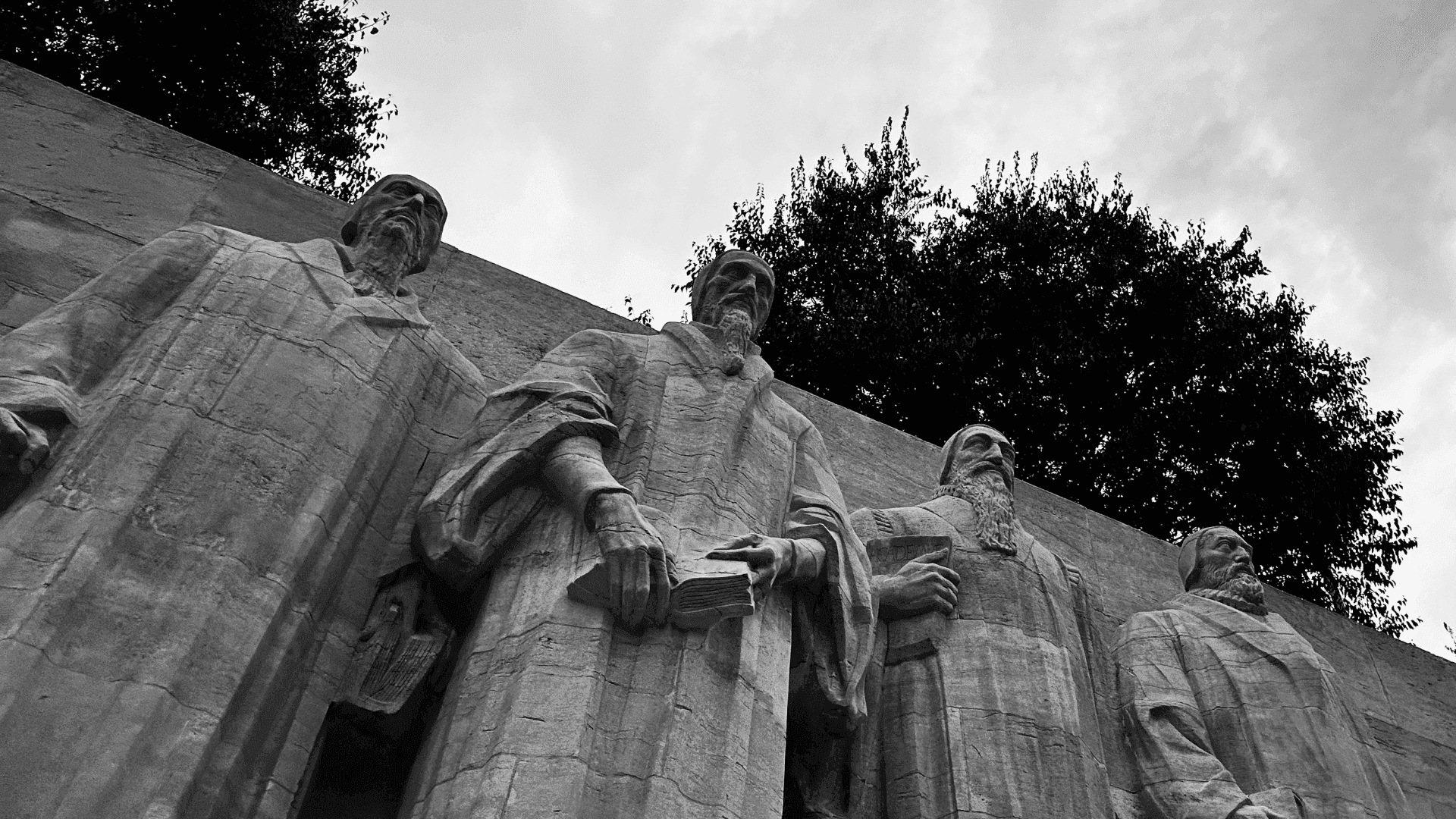
Church reformed, always reforming.
The Reformation emerged after fifteen centuries of debate over who speaks for Christ in the Church—the bishop, the pope, the council, the prince, or Scripture. This timeline follows that argument from the first bishops to Luther, Zwingli, and those who followed. The questions the Reformers pressed are not simply historical. They still govern how we read Scripture, order our churches, and live under governing authorities. To think Christian is to see our own moment in light of what the Triune God has been doing among His people all along. In partnership with Quotelos Travel, we also invite you to stand where this history happened.
Read more → In partnership with Quotelos Travel
“All who say that the gospel is nothing without the approval of the church err and slander God.”
Huldrych Zwingli, 67 Articles, Article 1 (1523)
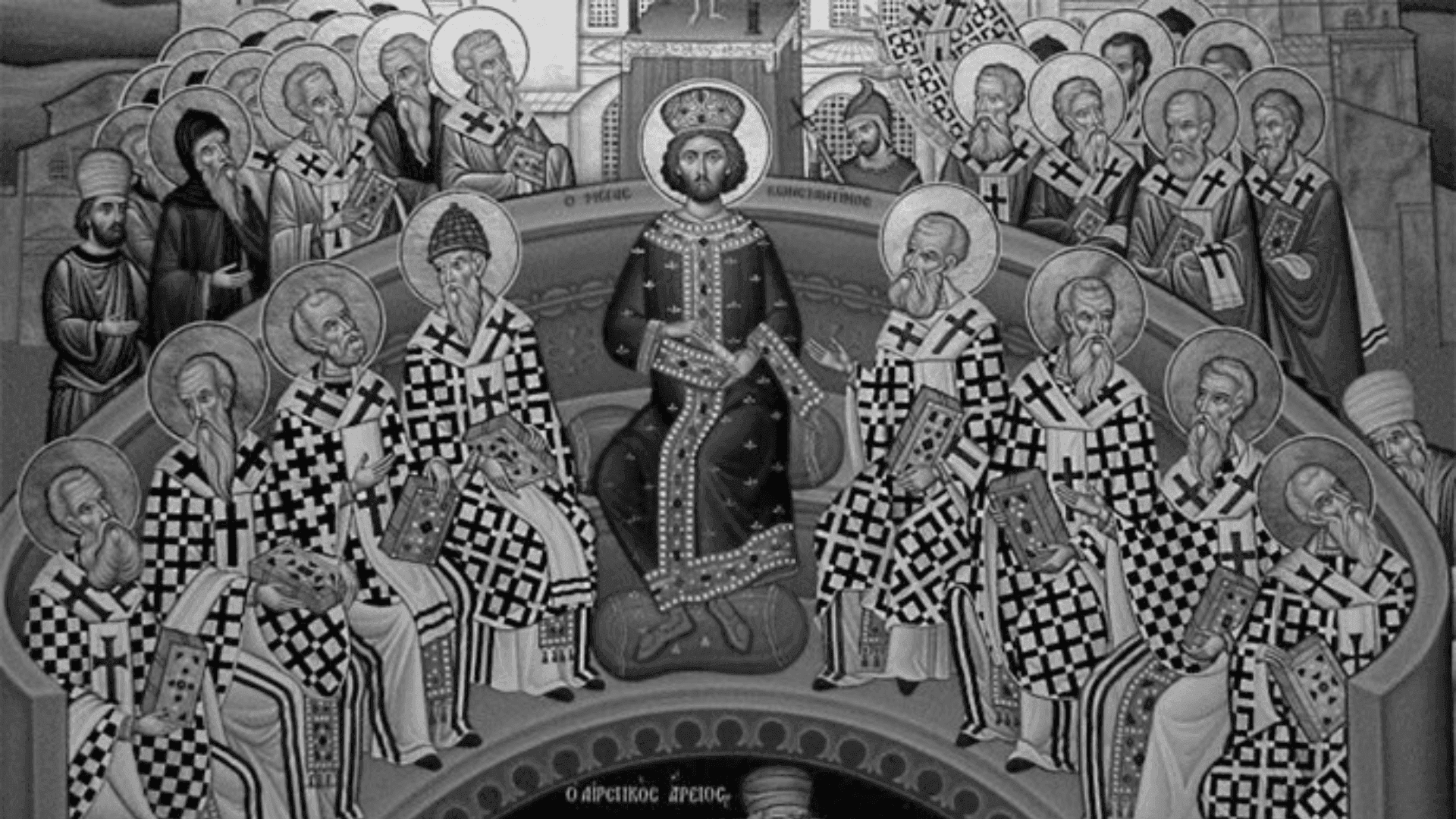
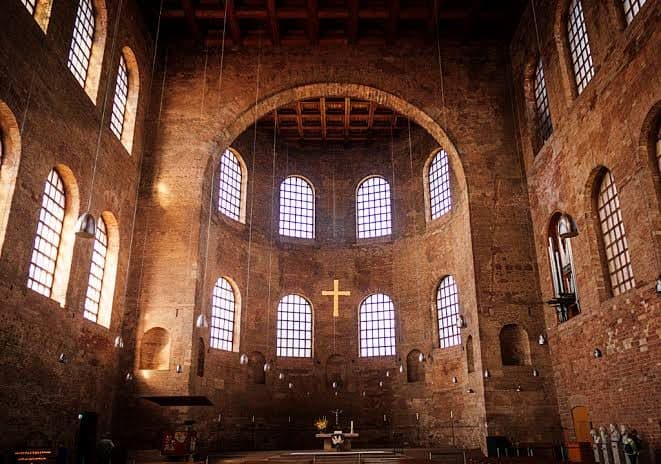
ArchitectureFor three centuries Christians met in private houses and at burial sites. After Constantine legalized the faith in 313, they adopted the basilica, the Roman public hall, with a long nave, side aisles, and an apse for the bishop's seat. Trier still has Constantine's throne hall and a cathedral begun in his time.
ArtThe earliest Christian art survives in the catacombs of Rome: wall paintings of the Good Shepherd, Jonah, and figures at prayer, with symbols such as the fish and the anchor. Images of the crucifixion were rare before the 400s. After Constantine, mosaics showed Christ enthroned like an emperor.
Life and technologyThe bound book, or codex, replaced the scroll, and Christians adopted it early. Roman roads and a common Greek language carried the faith from city to city. Epidemics struck the empire in the 160s and the 250s, and Constantine made Sunday a day of rest in 321.
Smyrna (İzmir), Turkey
c. 110On his way to execution in Rome, Ignatius, bishop of Antioch, wrote seven letters to churches along his route. In them he urged each congregation to gather around a single bishop, assisted by presbyters and deacons.
Rome, Italy
c. 155Polycarp, bishop of Smyrna, traveled to Rome to discuss the date of Easter with Anicetus, the bishop there. They could not agree, shared the Eucharist, and parted in peace.
Phrygia, Turkey
c. 170sMontanus and the prophets Priscilla and Maximilla claimed new revelations from the Holy Spirit and drew a wide following. Bishops in Asia Minor met in some of the earliest recorded synods and rejected the movement.
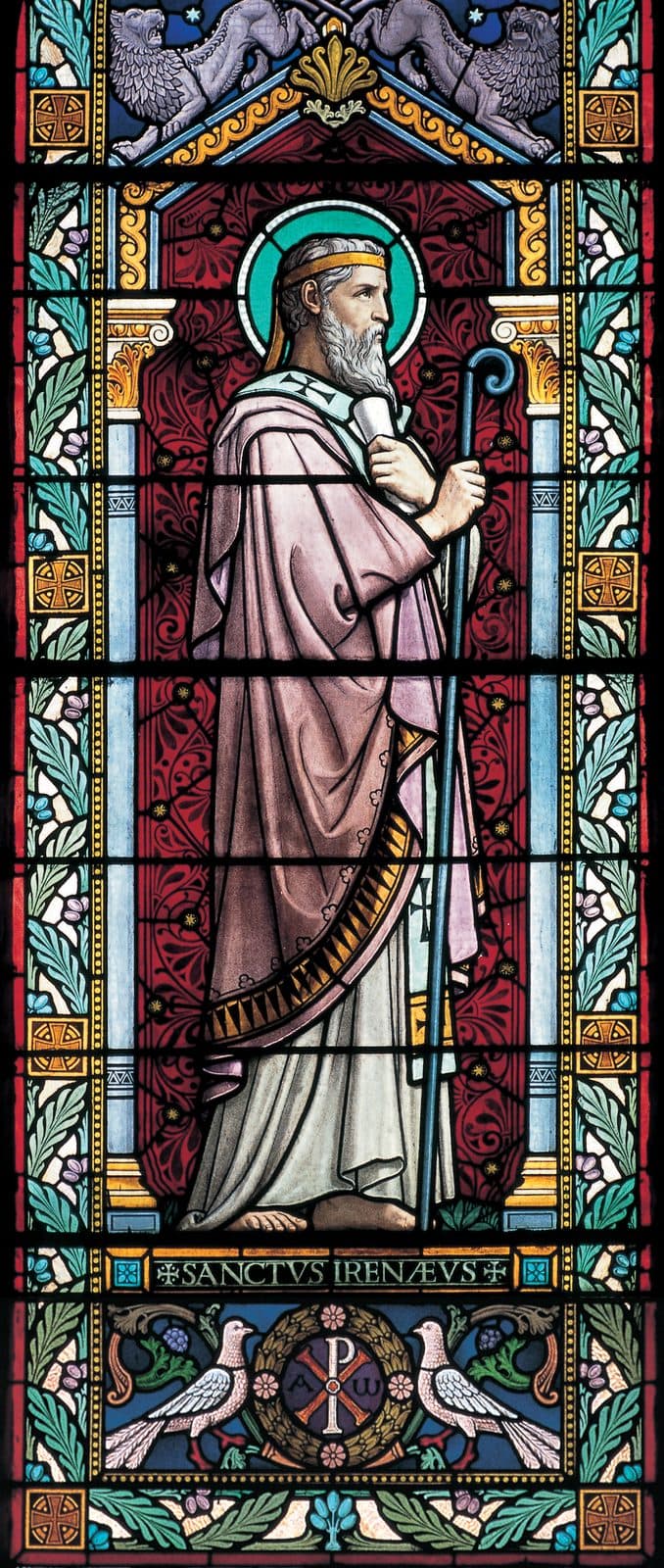
Lyon, France
c. 180Irenaeus, bishop of Lyon, wrote Against Heresies to answer teachers who claimed secret apostolic traditions. He appealed to the public succession of bishops in the major churches and listed those of Rome.
Rome, Italy
c. 190Victor, bishop of Rome, threatened to break communion with the churches of Asia Minor for keeping Easter on a different date. Irenaeus and other bishops urged him to relent.
Carthage (Tunis), Tunisia
251-256After the persecution under Emperor Decius, Cyprian, bishop of Carthage, wrote On the Unity of the Church. He later opposed Stephen, bishop of Rome, over whether those baptized by breakaway groups had to be baptized again, and a council of 87 African bishops supported him.
Egypt, Egypt
c. 270Antony, a young Egyptian Christian, gave away his property and withdrew into the desert to live in prayer. Others followed, and an account of his life by Athanasius spread the monastic ideal across the empire.
Nicomedia (İzmit), Turkey
303-311Emperor Diocletian ordered churches destroyed, Scriptures burned, and clergy arrested. The persecution continued in parts of the empire until Emperor Galerius issued an edict of toleration in 311.
Milan and Arles, Italy and France
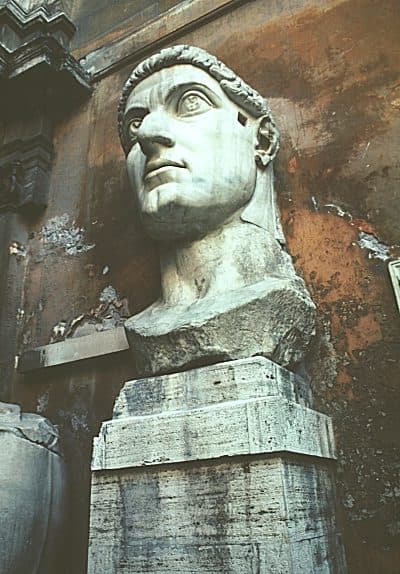
312-314Constantine won control of the western empire at the Milvian Bridge in 312. The following year he and Licinius granted Christians legal freedom, and in 314 Constantine summoned bishops to a council at Arles.
Nicaea (İznik), Turkey
325Constantine gathered bishops from across the empire at Nicaea. The council condemned the teaching of Arius, issued a creed confessing the Son to be of one substance with the Father, and passed canons organizing the church by province.
Trier and Alexandria, Germany and Egypt
335-367Athanasius, bishop of Alexandria, was exiled five times for defending the creed of Nicaea, the first time to Trier. His Easter letter of 367 listed the 27 books of the New Testament.
Thessalonica and Constantinople, Greece and Turkey
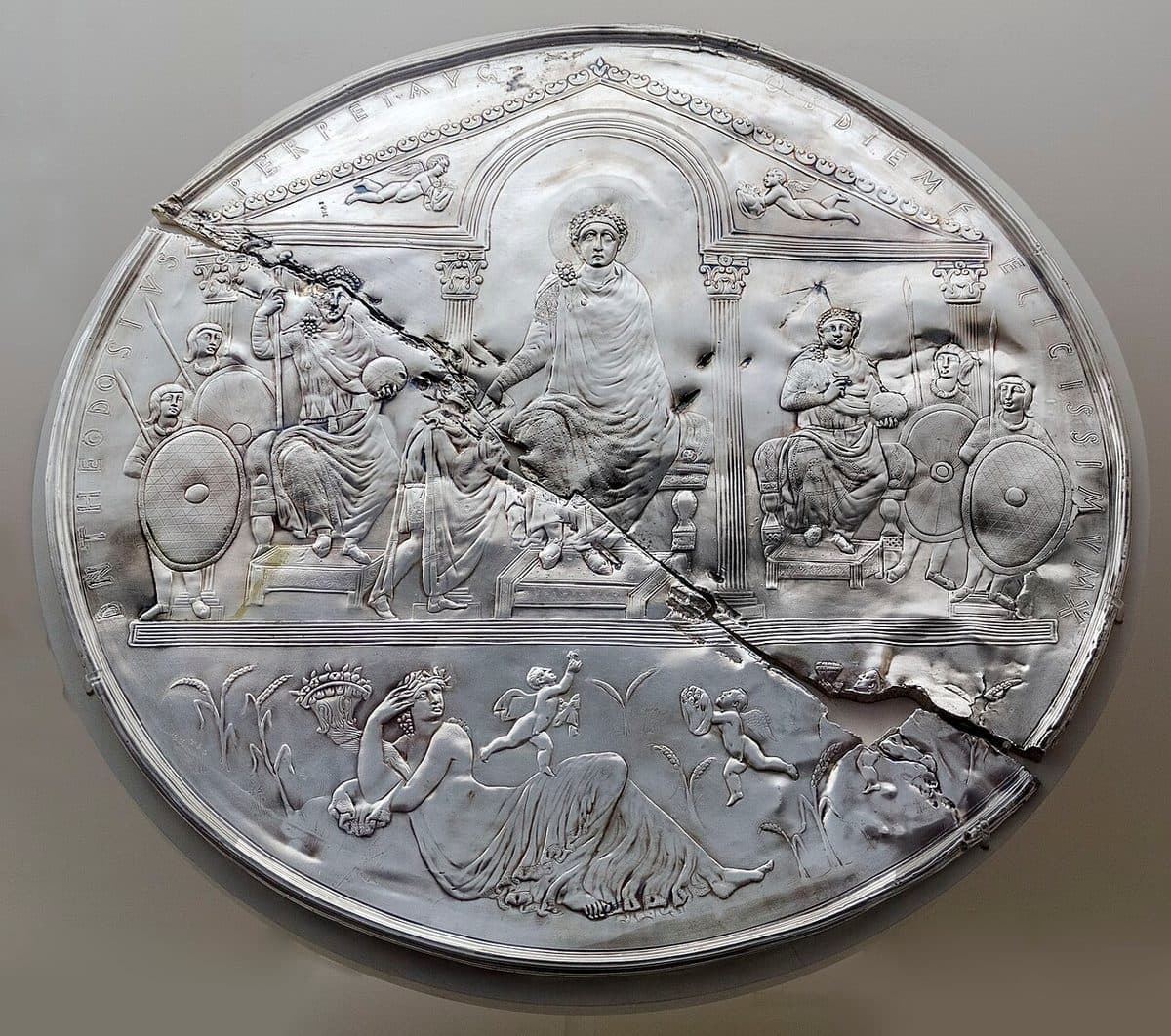
380-381Emperor Theodosius issued an edict making the Nicene faith the religion of the empire. The Council of Constantinople the following year confirmed and expanded the Nicene Creed.
Rome, Italy
382Damasus, bishop of Rome, commissioned the scholar Jerome to revise the Latin Gospels. Jerome's work grew into a new Latin translation of the Bible, later known as the Vulgate.
Trier, Germany
385Priscillian, a Spanish bishop accused of heresy and sorcery, was tried before Emperor Magnus Maximus and beheaded with several followers. Martin of Tours and Ambrose of Milan protested the execution.
Milan, Italy
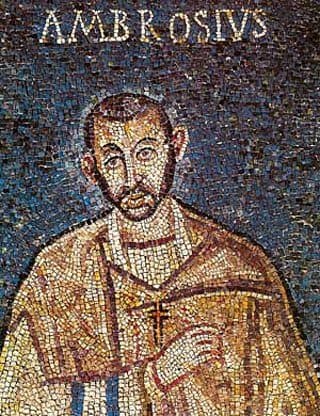
386-390Augustine was converted in Milan in 386 and baptized by its bishop, Ambrose, the following Easter. In 390 Ambrose required Emperor Theodosius to do public penance for a massacre at Thessalonica.
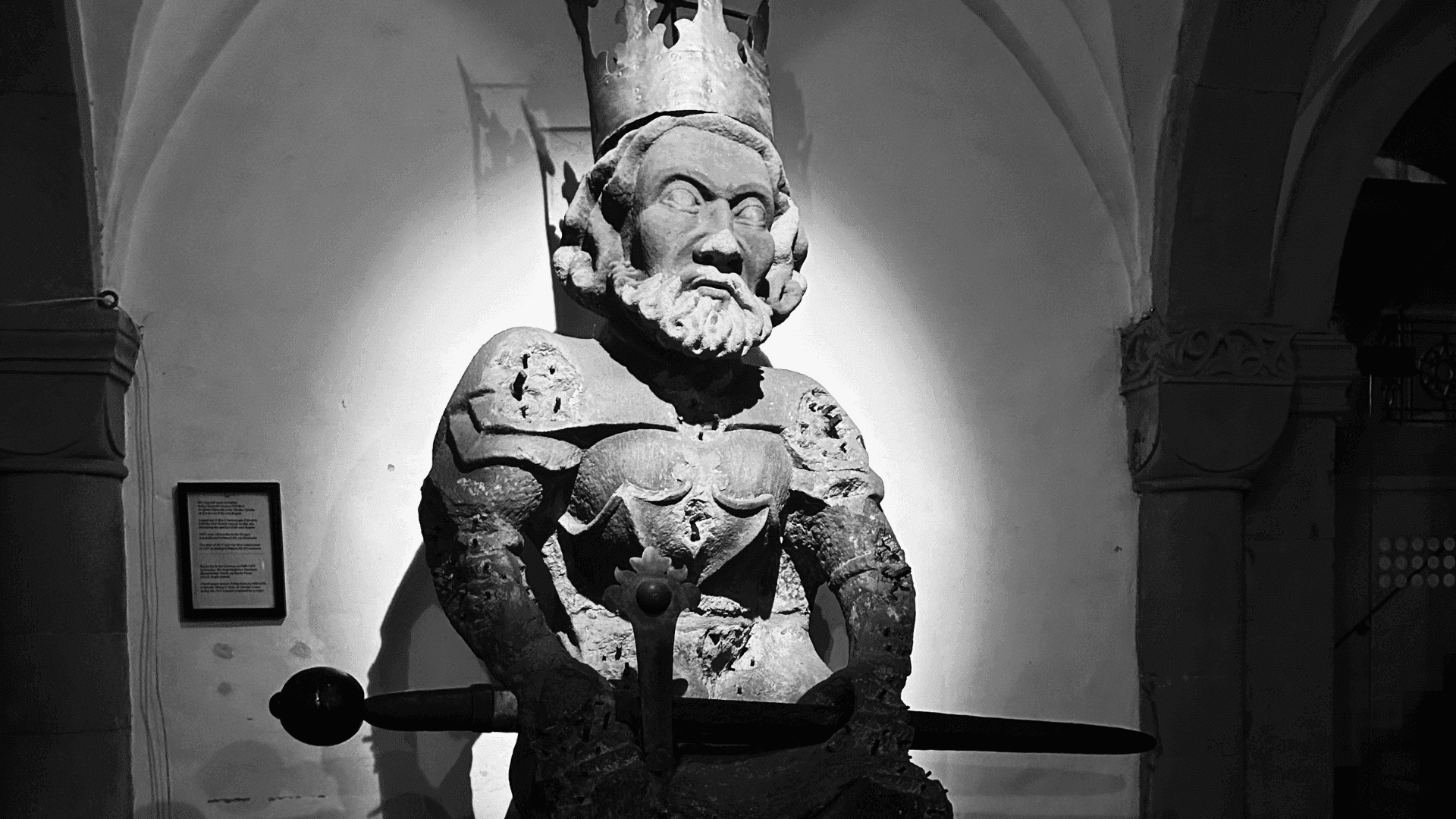
ArchitectureChurches in the East and at Ravenna were covered in mosaic. In the West the monastery became the most important kind of church building, and Charlemagne's chapel at Aachen, finished around 800, copied Roman and Byzantine models. The Plan of St. Gall, drawn about 820, sets out an ideal monastery and is still kept in St. Gallen.
ArtMonks produced illuminated manuscripts such as the Book of Kells, and the monastery of Reichenau on Lake Constance became a leading school of book painting around 1000. The Eastern church was divided over the use of icons from 726 to 843. Around 600, Pope Gregory I had defended images as books for those who could not read.
Life and technologyRoman cities shrank, and monasteries became the main keepers of books and learning. A clear new handwriting spread from Charlemagne's court, and our lowercase letters descend from it. The heavy plough and the horse collar increased harvests, while Islam expanded across North Africa and into Spain.
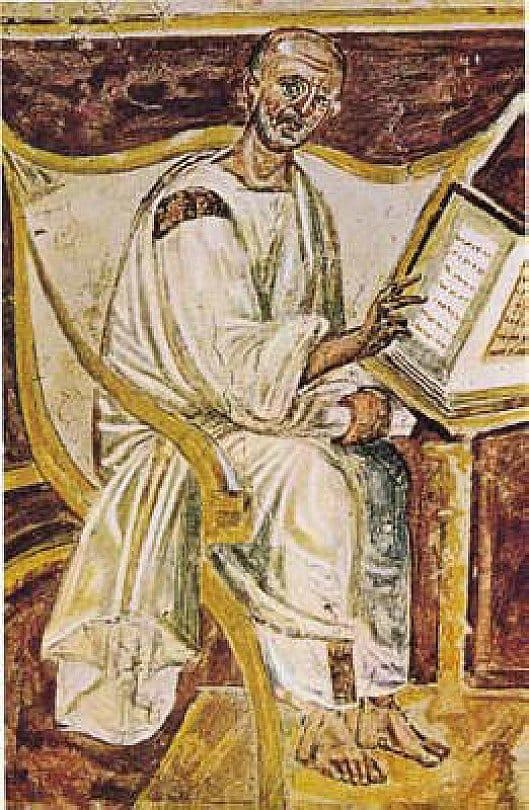
Rome and Hippo (Annaba), Italy and Algeria
410-426Visigoths under Alaric sacked Rome in 410. Augustine, bishop of Hippo, responded with The City of God, written between 413 and 426.
Chalcedon (Istanbul), Turkey
451The Council of Chalcedon defined Christ as one person in two natures and accepted the Tome of Leo I, bishop of Rome. It also granted Constantinople privileges equal to Rome's, which Leo refused to accept.
Near Mantua, Italy
452Leo I traveled north with an embassy to meet Attila the Hun, whose army had invaded Italy. Attila withdrew.
Ravenna, Italy
476The general Odoacer deposed Romulus Augustulus, the last Roman emperor in the West.
Rome, Italy
494Gelasius I wrote to Emperor Anastasius that the world is governed by two powers, the authority of priests and the power of kings. He held that the priests bear the heavier responsibility, since they answer to God for kings.
Reims, France
c. 496Clovis, king of the Franks, was baptized by Bishop Remigius of Reims. He adopted the Nicene faith rather than the Arian Christianity of the other Germanic kingdoms.
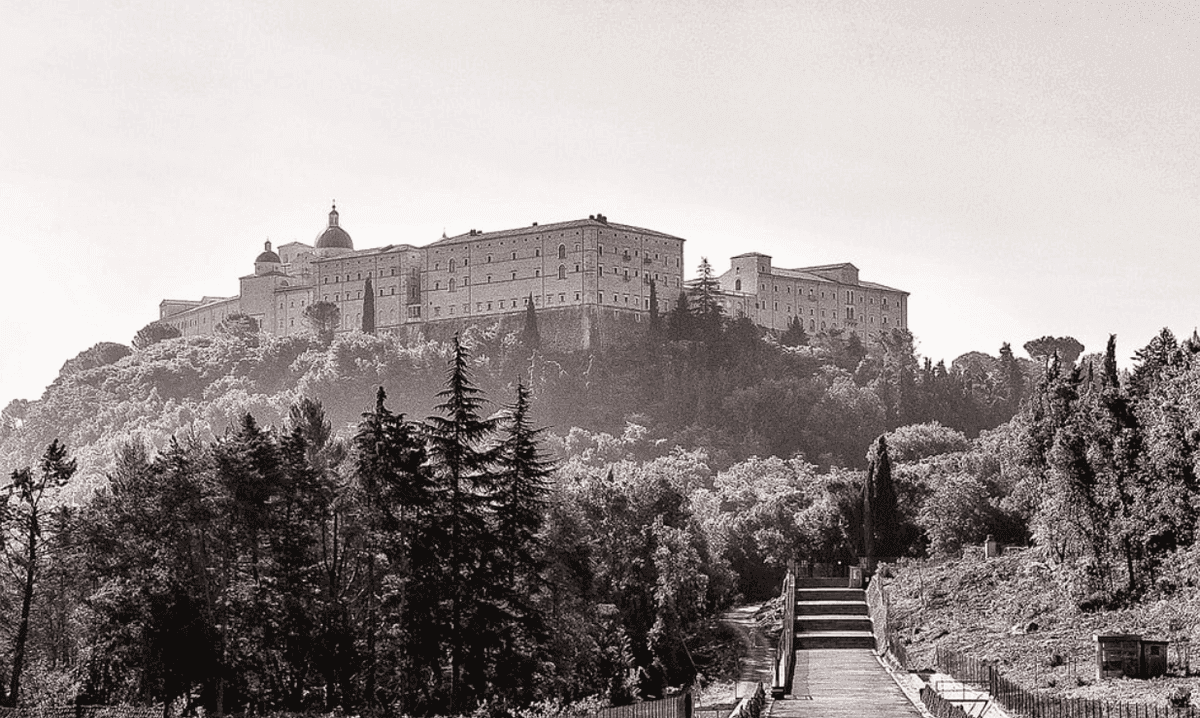
Monte Cassino, Italy
c. 529Benedict of Nursia founded a monastery at Monte Cassino and wrote a rule for its common life. The Rule of Benedict became the standard for monasteries across western Europe.
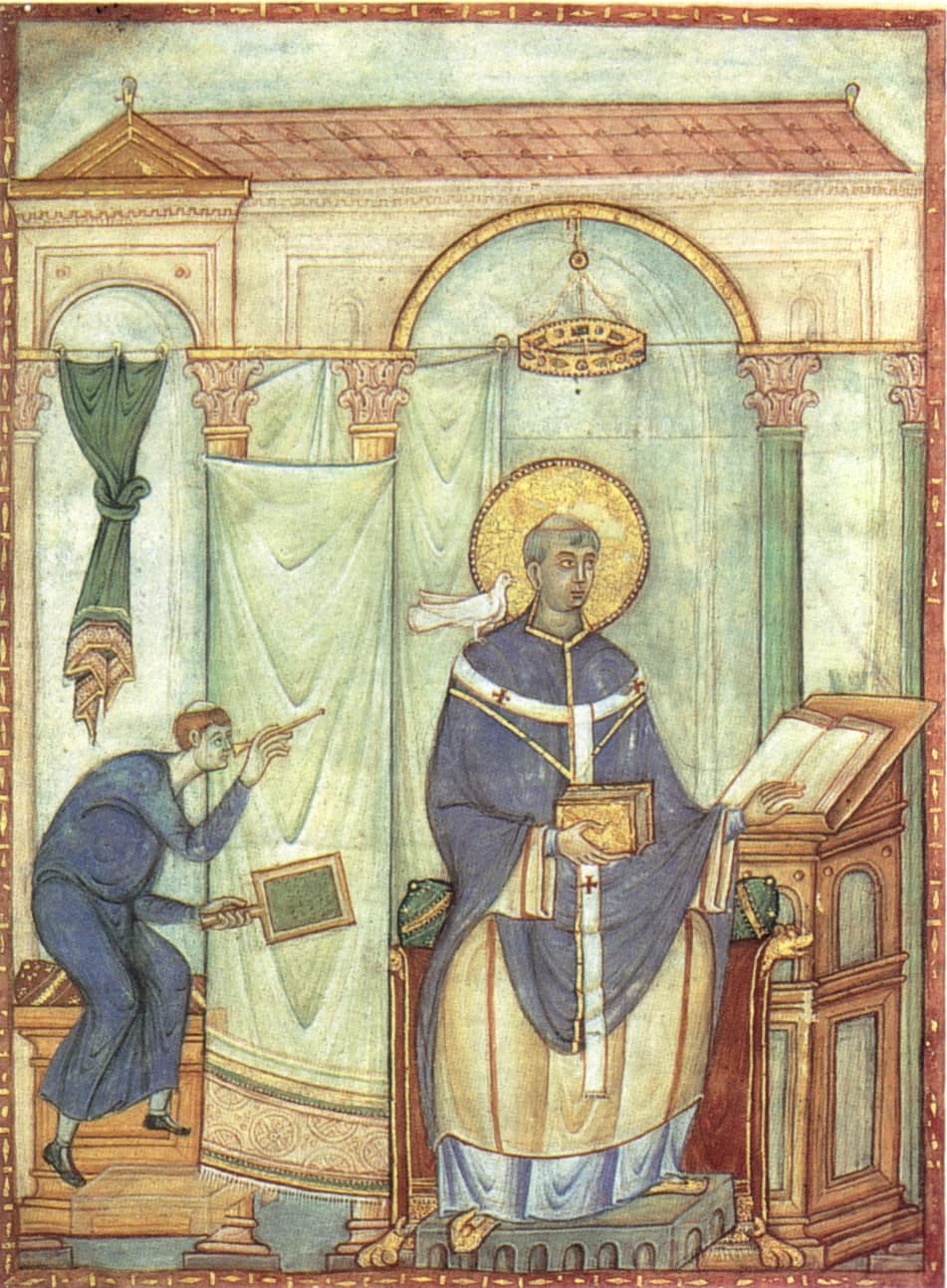
Rome, Italy
590-604Gregory I became bishop of Rome during plague and famine. He organized the city's food supply and defense, reformed the management of church lands, and sent a mission to the English in 596.
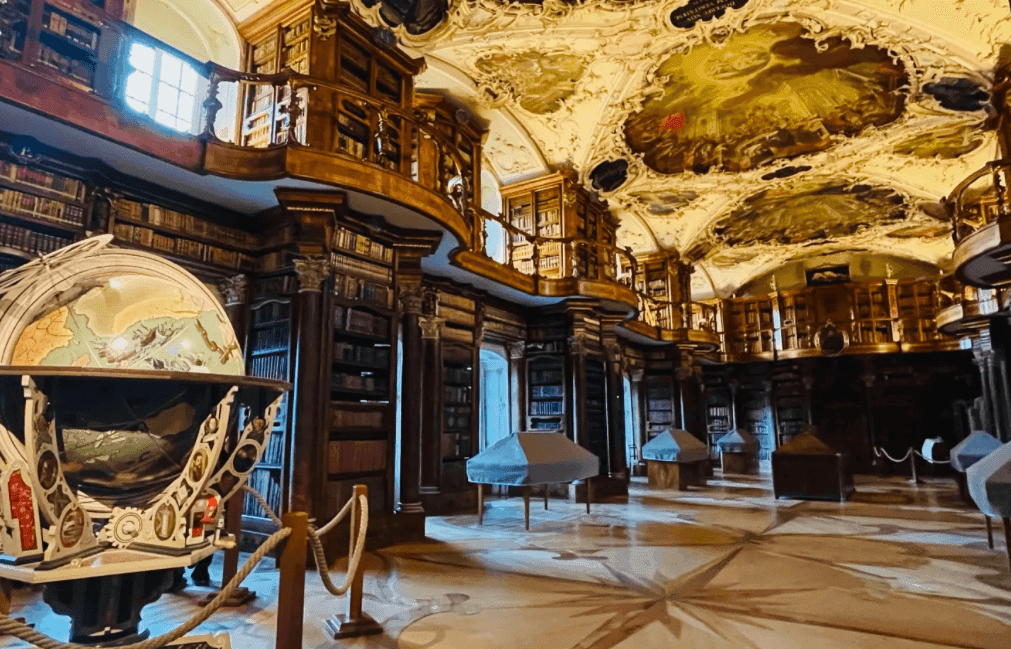
St. Gallen, Switzerland
c. 612Gallus, an Irish monk and companion of Columbanus, settled as a hermit south of Lake Constance. An abbey founded on the site about a century later became one of the great libraries of the Middle Ages.
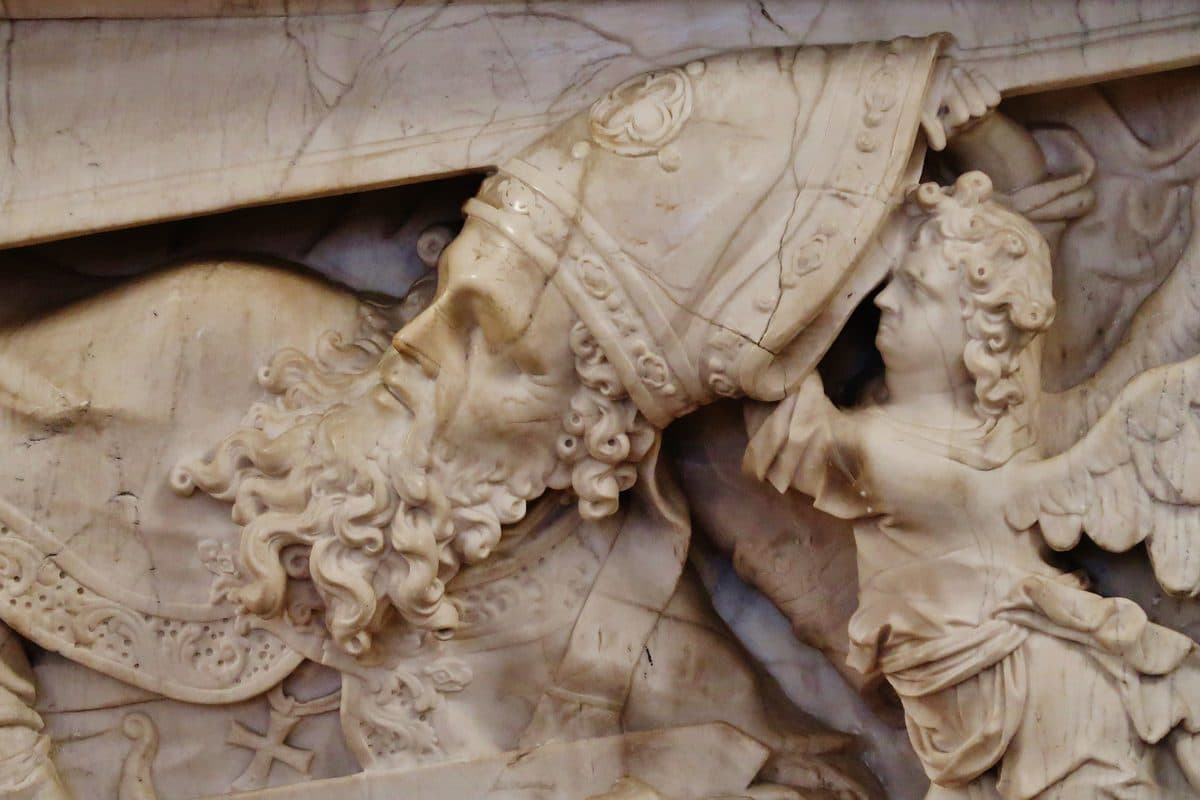
Fulda and Mainz, Germany
719-754The English monk Boniface, commissioned by the pope, preached in the German lands and organized their bishoprics. He became archbishop of Mainz, was killed in Frisia in 754, and was buried at Fulda.
Soissons and Rome, France and Italy
751-756With papal approval, Pepin was anointed king of the Franks in 751. He later defeated the Lombards and gave the lands he took in central Italy to the pope, creating the Papal States.
Rome, Italy
c. 750-800A document appeared claiming that Emperor Constantine had given the pope authority over Rome and the western empire. It was a forgery, though it was accepted as genuine for centuries.
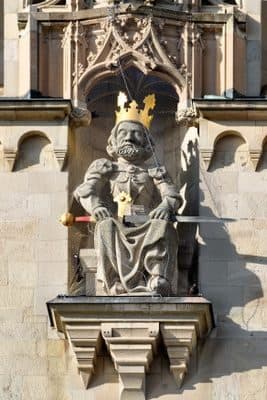
Rome, Italy
800On Christmas Day, Pope Leo III crowned Charlemagne, king of the Franks, as emperor in St. Peter's Basilica.
Verdun, France
843Charlemagne's grandsons divided his empire into three kingdoms. The eastern kingdom, under Louis the German, became the core of medieval Germany.
Northern France, France
c. 850A collection of church law appeared in the Frankish kingdom that mixed genuine texts with forged papal letters. It was later used to support papal authority over bishops and councils.
Zurich, Switzerland
853King Louis the German founded a convent in Zurich for his daughter Hildegard. Its abbesses later held wide rights over the city.
Cluny, France
910Duke William of Aquitaine founded a monastery at Cluny and placed it directly under the pope's protection. Cluny became the center of a reform movement with hundreds of daughter houses.
Einsiedeln, Switzerland
934A Benedictine abbey was founded at Einsiedeln, on the site where the hermit Meinrad had lived and been killed in 861. It became the most important place of pilgrimage in Switzerland.
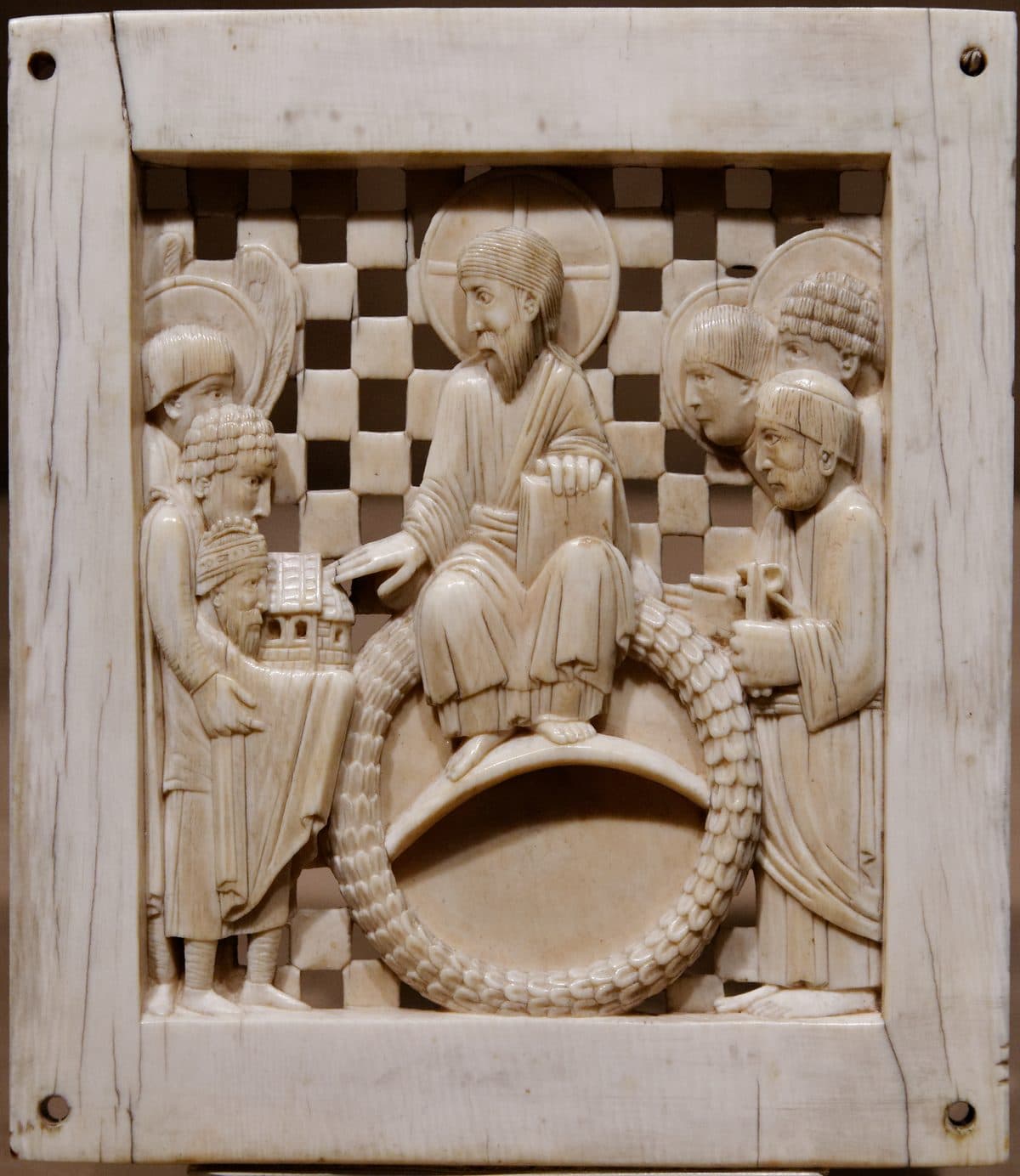
Rome, Italy
962Pope John XII crowned the German king Otto I as emperor. German kings held the imperial title from then until 1806.
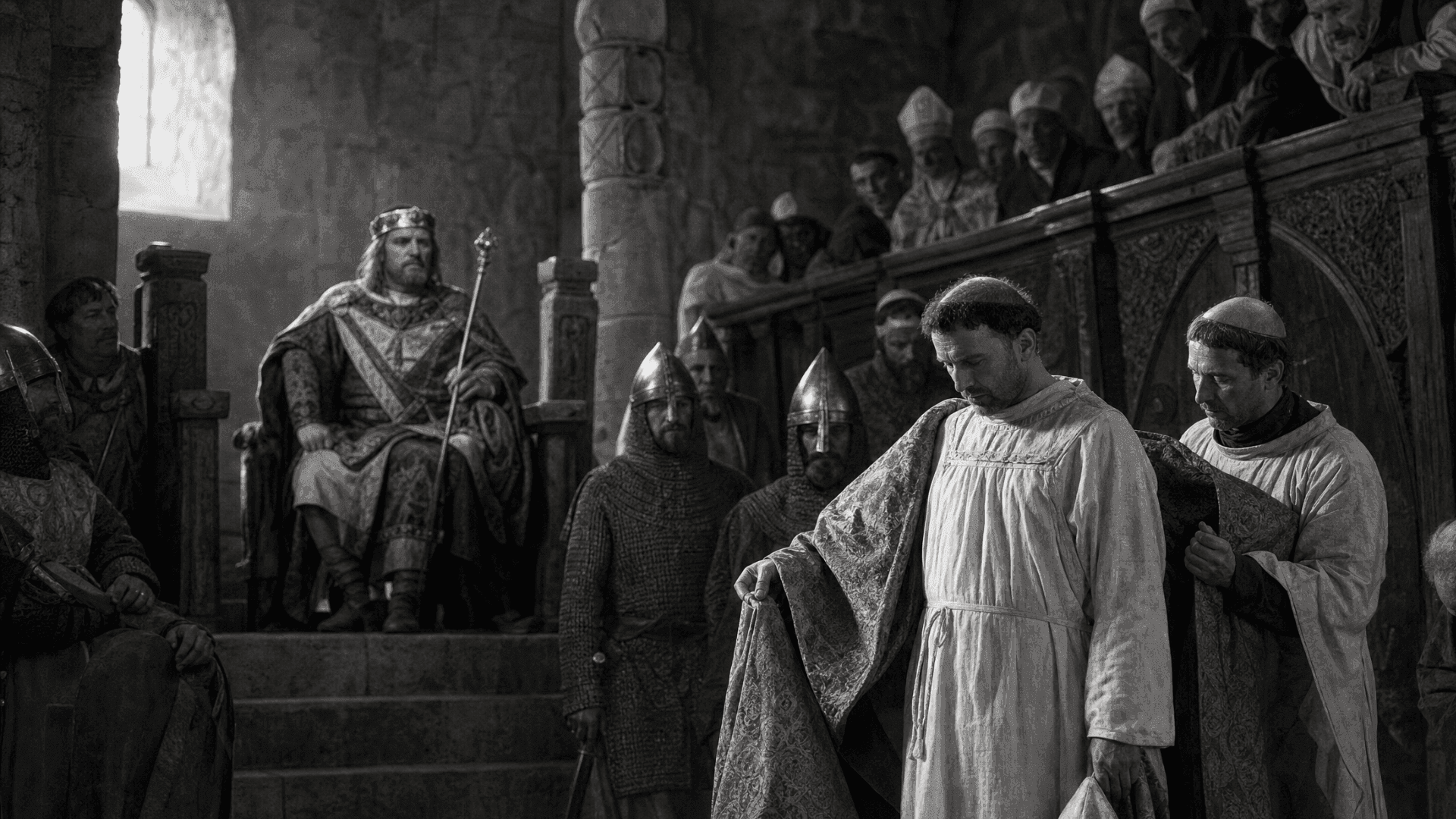
ArchitectureThe Romanesque style spread across Europe: thick stone walls, round arches, small windows, crypts, and clusters of towers. In Germany the emperors built on a large scale. Speyer Cathedral, begun about 1030, was their burial church.
ArtBishop Bernward's bronze doors at Hildesheim, cast in 1015, set scenes from Genesis beside scenes from the Gospels. Gospel books painted in gold were made for the emperors. Around 1025 Guido of Arezzo devised the staff for writing down music.
Life and technologyPopulation grew, forests were cleared for farmland, and towns revived. Watermills became common. In 1096 crusaders on their way east massacred the Jewish communities of Speyer, Worms, and Mainz.
Payerne, Switzerland
1033Emperor Conrad II was crowned king of Burgundy at Payerne. The kingdom, which included much of western Switzerland, became part of the Empire.
Sutri, Italy
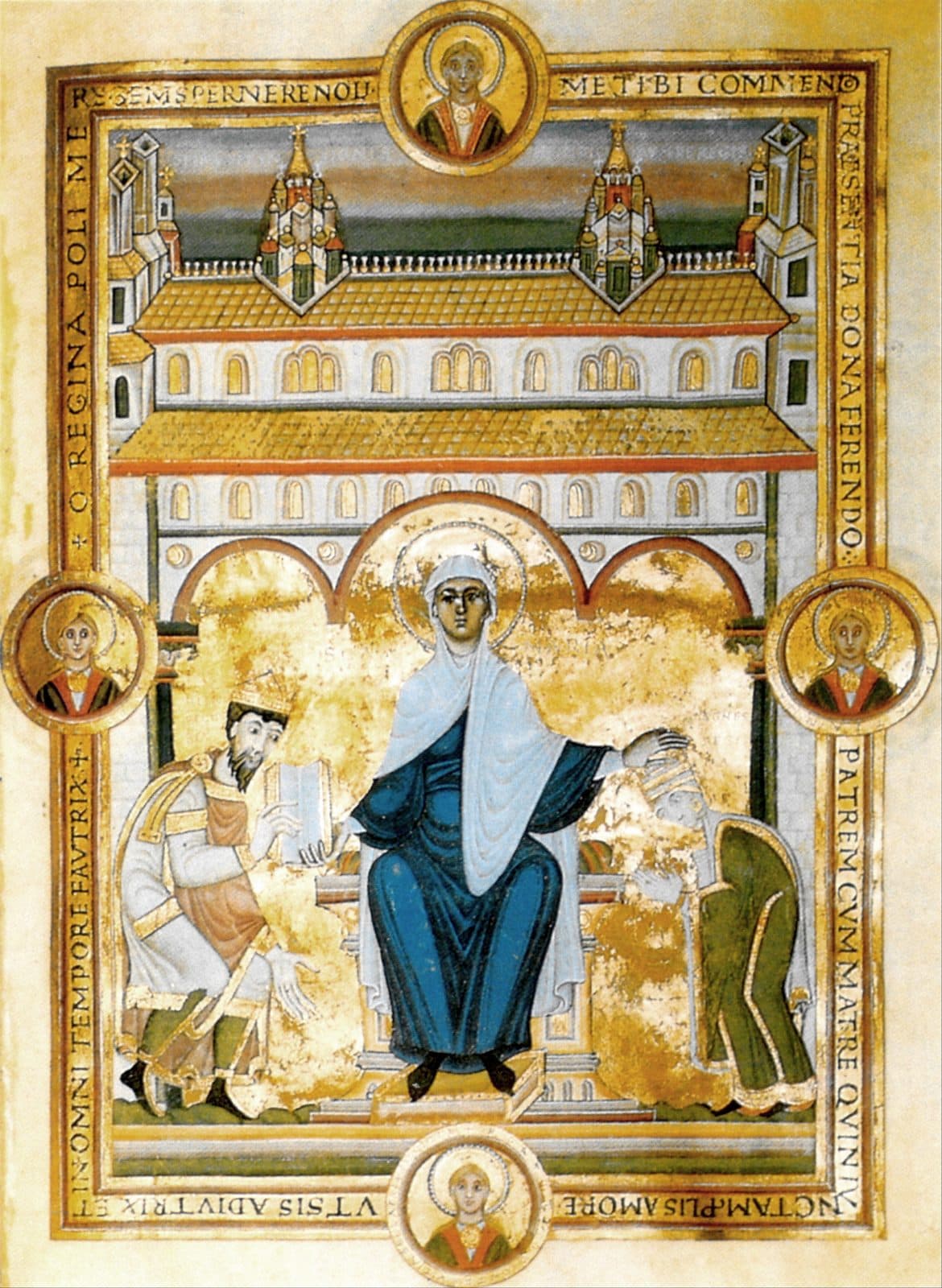
1046With three men claiming to be pope, King Henry III of Germany held a synod at Sutri and a second in Rome. The claimants were removed, and a German bishop was installed as Pope Clement II, who crowned Henry emperor on Christmas Day.
Rome, Italy
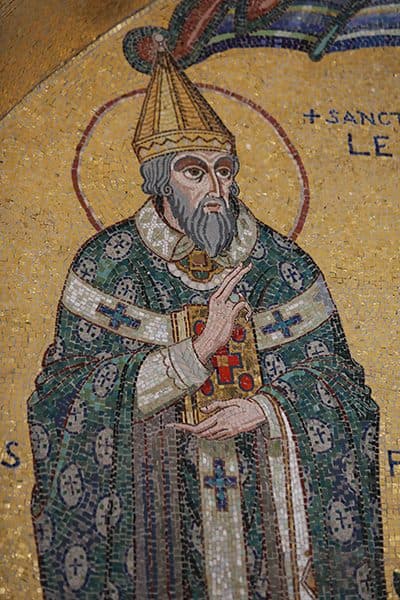
1049Bruno of Egisheim, a bishop from Alsace, became Pope Leo IX. He held councils in Italy, France, and Germany against the sale of church offices and clerical marriage.
Constantinople (Istanbul), Turkey
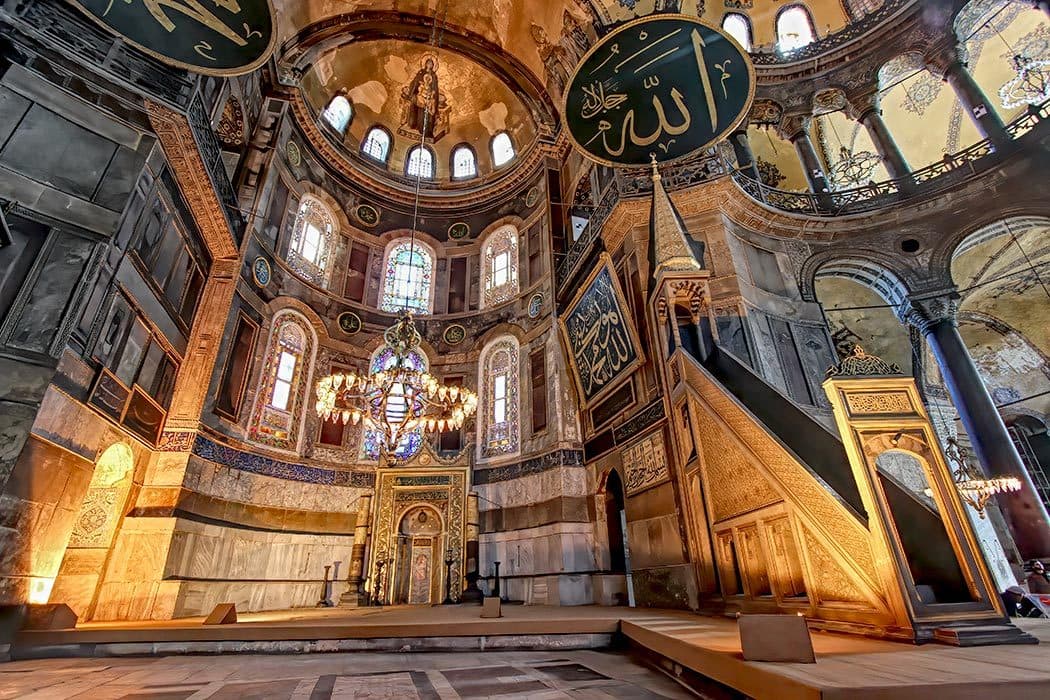
1054Cardinal Humbert, a papal legate, placed a bull of excommunication against Patriarch Michael Cerularius on the altar of Hagia Sophia. The patriarch excommunicated the legates in return.
Rome, Italy
1059Pope Nicholas II decreed that popes would be elected by the cardinals.
Rome, Italy
1075The register of Pope Gregory VII recorded 27 statements of papal authority, known as the Dictatus Papae. They include the claims that the pope may depose emperors and may be judged by no one.
Worms, Germany
1076King Henry IV and most of the German bishops met at Worms and renounced their obedience to Gregory VII. Gregory excommunicated Henry and released his subjects from their oaths.
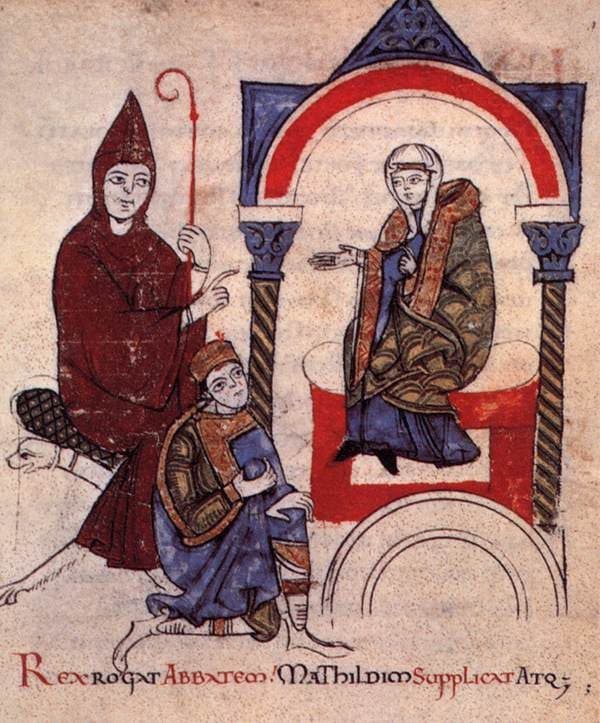
Canossa, Italy
1077Henry IV crossed the Alps in winter and stood as a penitent outside the castle of Canossa for three days. Gregory VII lifted his excommunication.
Rome and Salerno, Italy
1084-1085Henry IV captured Rome and was crowned emperor by a rival pope he had installed. Gregory VII left the city with his Norman allies and died at Salerno in 1085.
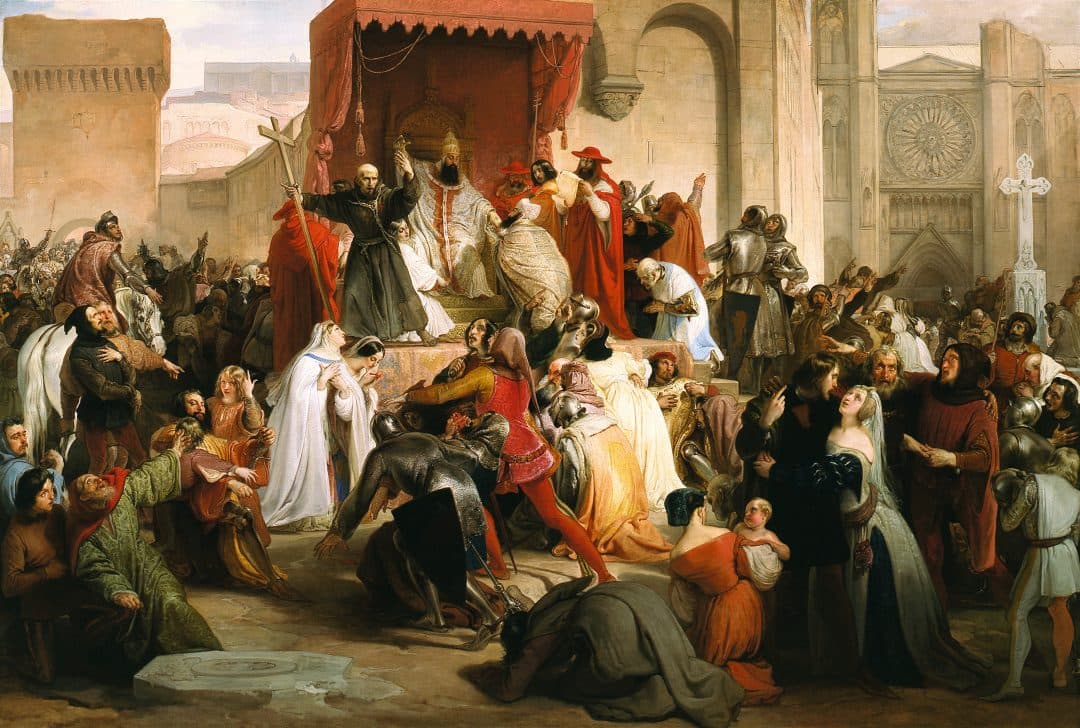
Clermont, France
1095At the Council of Clermont, Pope Urban II called for an armed expedition to aid eastern Christians and recover Jerusalem. Those who went were promised remission of all penance.
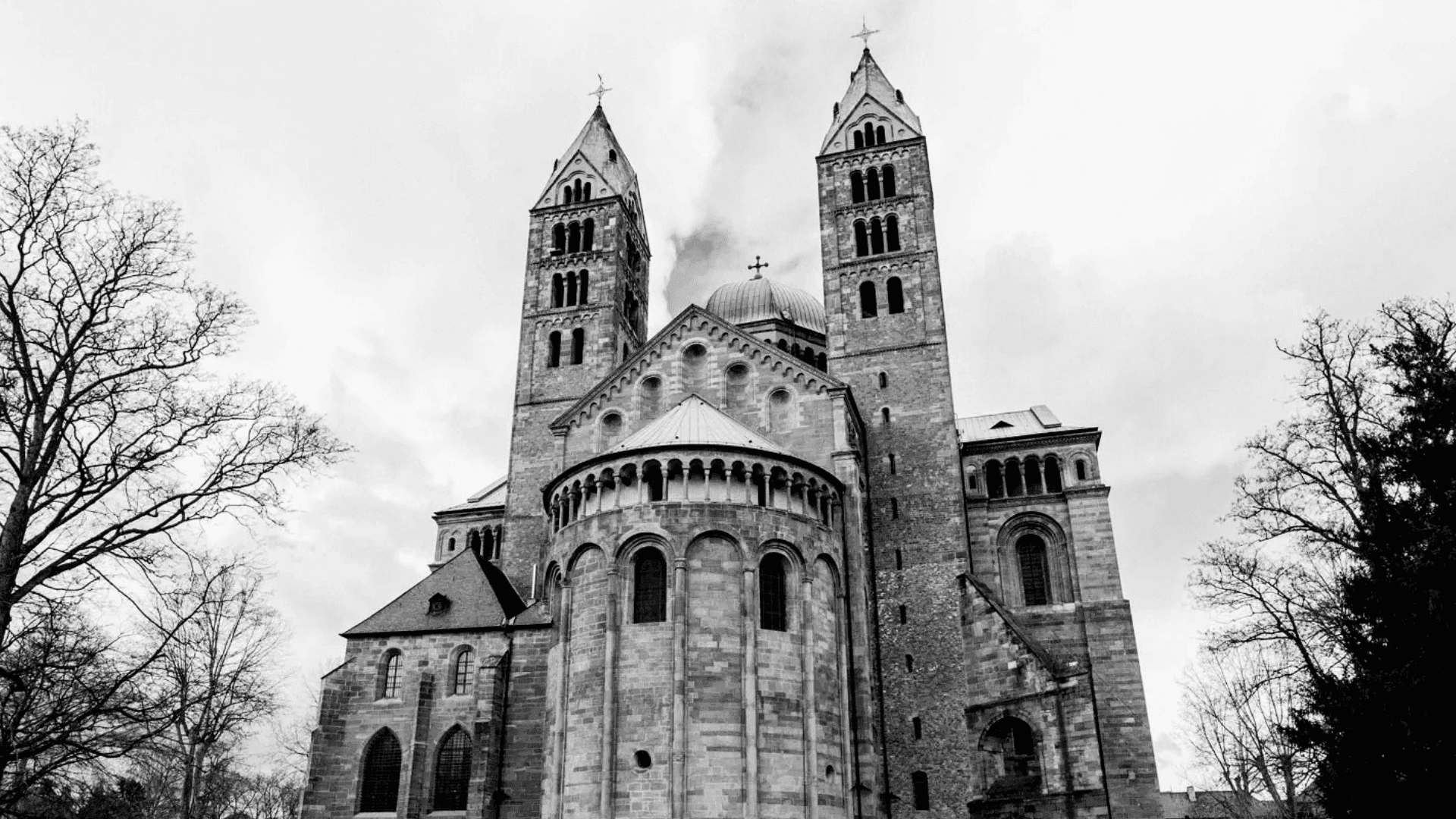
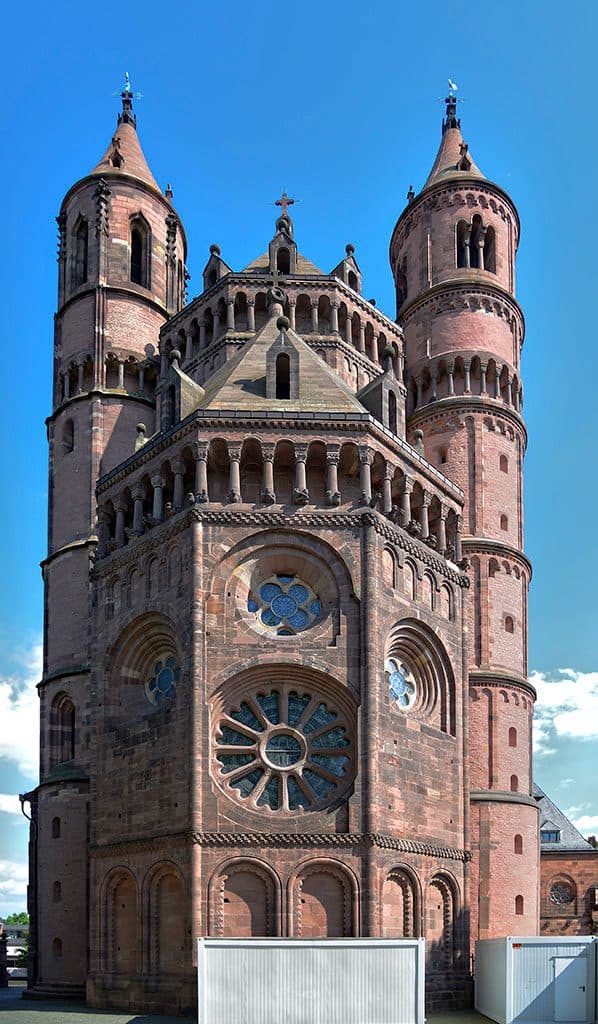
ArchitectureRomanesque building reached its height in churches such as Worms Cathedral and the Grossmünster in Zurich. The Cistercian order built plainly on principle, without towers, sculpture, or colored glass, as at Maulbronn in Germany. In France the Gothic style began at the abbey of Saint-Denis in the 1140s.
ArtChurch doorways were carved with scenes of the Last Judgment, and the first stained-glass windows appeared. Hildegard of Bingen recorded her visions in illustrated books and composed music. Bernard of Clairvaux argued against rich decoration in monasteries.
Life and technologyWorks of Aristotle and of Arabic science were translated into Latin, and the first universities formed at Bologna and Paris. Paper reached Europe through Spain, and the windmill and the compass came into use. Trade grew, and merchants and craftsmen organized into guilds.
Worms, Germany
1122Emperor Henry V and Pope Callixtus II ended the dispute over the appointment of bishops. The emperor gave up investing bishops with ring and staff but kept a role in their election in Germany.
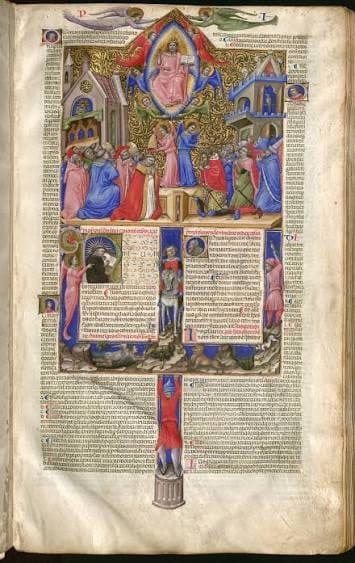
Bologna, Italy
c. 1140Gratian, a teacher at Bologna, compiled and reconciled centuries of church rulings in a work known as the Decretum. It became the basic textbook of canon law.
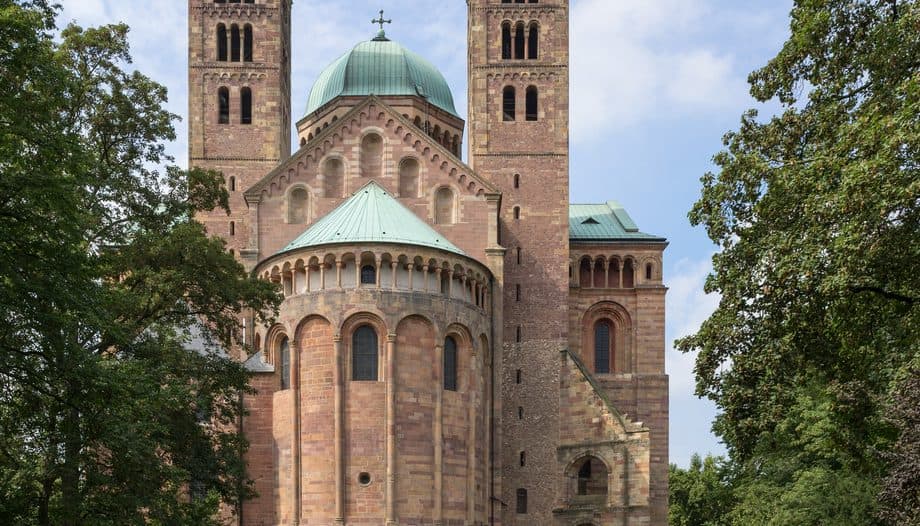
Speyer, Germany
1146Bernard of Clairvaux preached the Second Crusade in Speyer Cathedral at Christmas. King Conrad III of Germany took the cross.
Rome, Italy
1155Arnold of Brescia, who preached that clergy should hold neither property nor political power, was executed in Rome. He had earlier taught in Zurich while in exile.
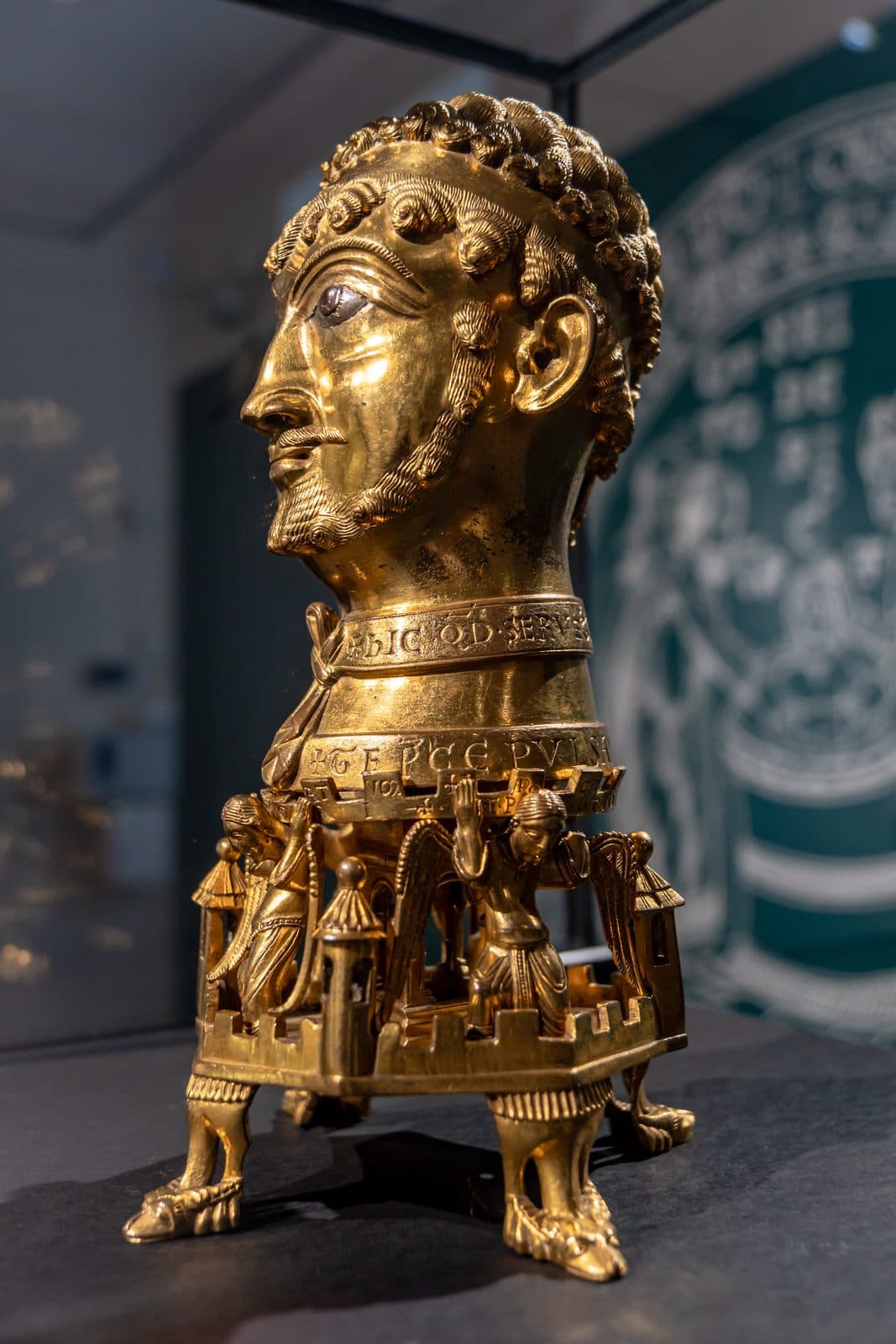
Besançon, France
1157At an imperial diet in Besançon, a papal letter was read that seemed to call the empire a gift of the pope, and Emperor Frederick Barbarossa's court protested. In the same year his chancery first used the phrase 'Holy Empire.'
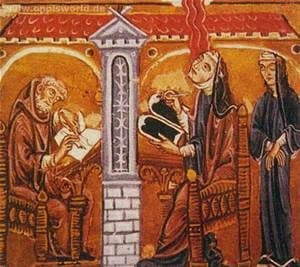
Bingen and Cologne, Germany
1160sHildegard, abbess of a convent near Bingen, traveled along the Rhine and Main preaching to clergy and laity. She denounced corruption among the clergy.
Canterbury, England
1170Thomas Becket, archbishop of Canterbury, was killed in his cathedral by four knights of King Henry II. The two had quarreled over the king's authority over church courts and clergy.
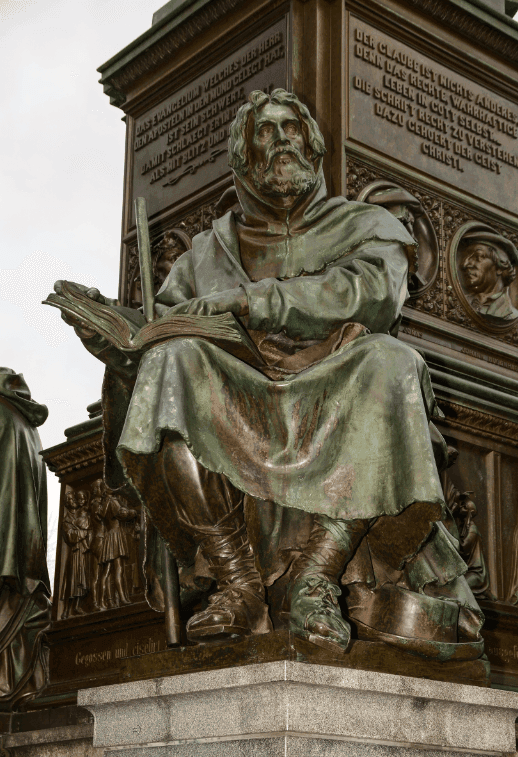
Lyon and Verona, France and Italy
c. 1173-1184Waldo, a merchant of Lyon, gave away his wealth, had parts of the Bible translated, and sent out lay preachers. The movement was refused permission to preach in 1179 and condemned by Pope Lucius III in 1184.
Venice, Italy
1177After years of supporting rival popes, Frederick Barbarossa made peace with Pope Alexander III in Venice and recognized him as the rightful pope.
Bern, Switzerland
1191Duke Berthold V of Zähringen founded the city of Bern on a bend of the river Aare.
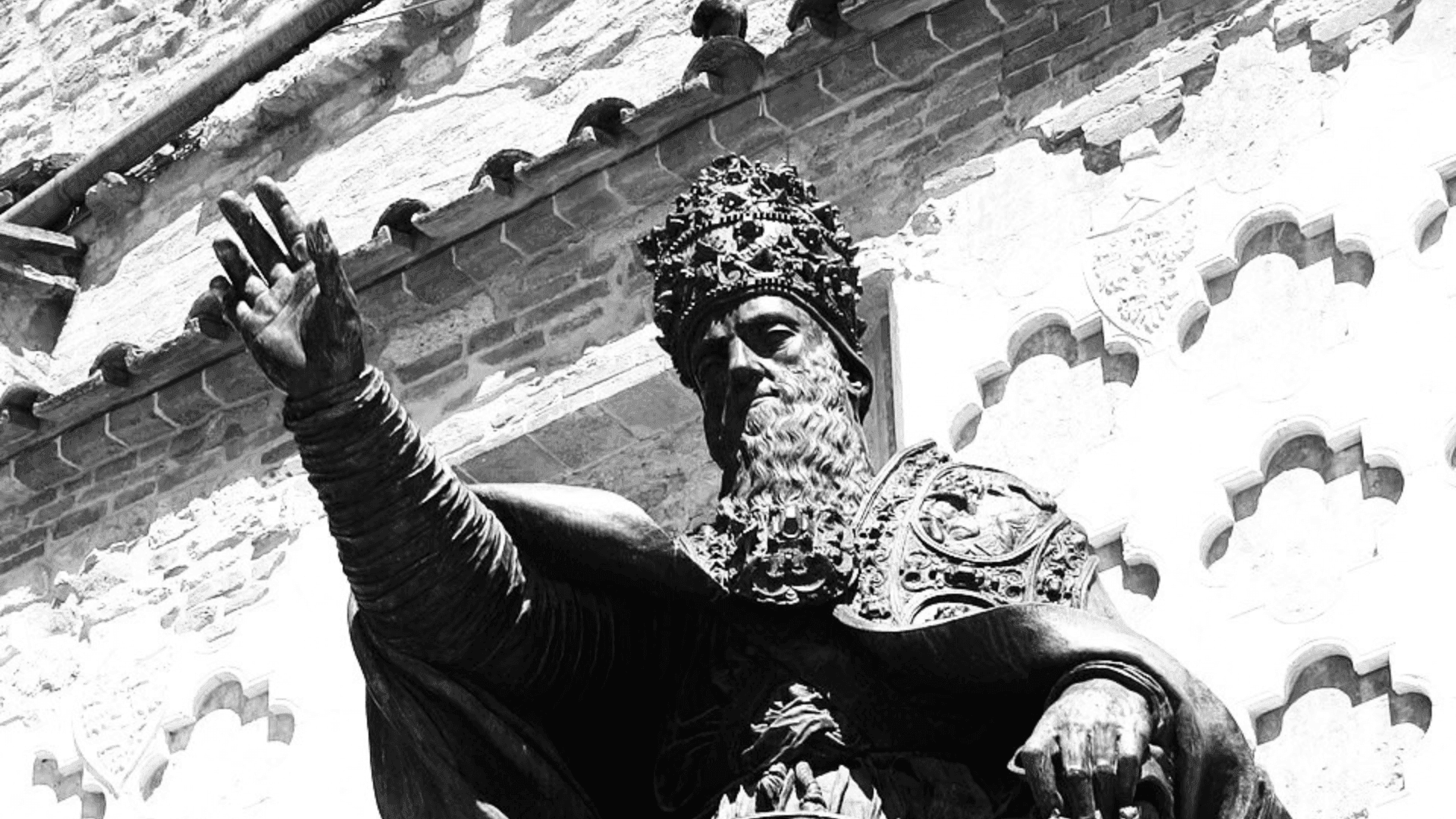
ArchitectureGothic churches rose across Europe, with pointed arches, ribbed vaults, flying buttresses, and walls of stained glass. St. Elizabeth's Church in Marburg, begun in 1235, and Cologne Cathedral, begun in 1248, brought the style to Germany. The Franciscans and Dominicans built large, plain churches in the towns for preaching.
ArtSculptors carved lifelike figures, such as the founders' statues at Naumburg Cathedral. Stained glass reached its height at Chartres and in the Sainte-Chapelle in Paris. In Italy, Giotto painted the life of Francis at Assisi in the 1290s.
Life and technologyThe mechanical clock and eyeglasses were invented late in the century. The Gotthard Pass was opened to traffic, linking Germany and Italy through central Switzerland. Banking and long-distance trade expanded, and Mongol armies reached the borders of Germany in 1241.
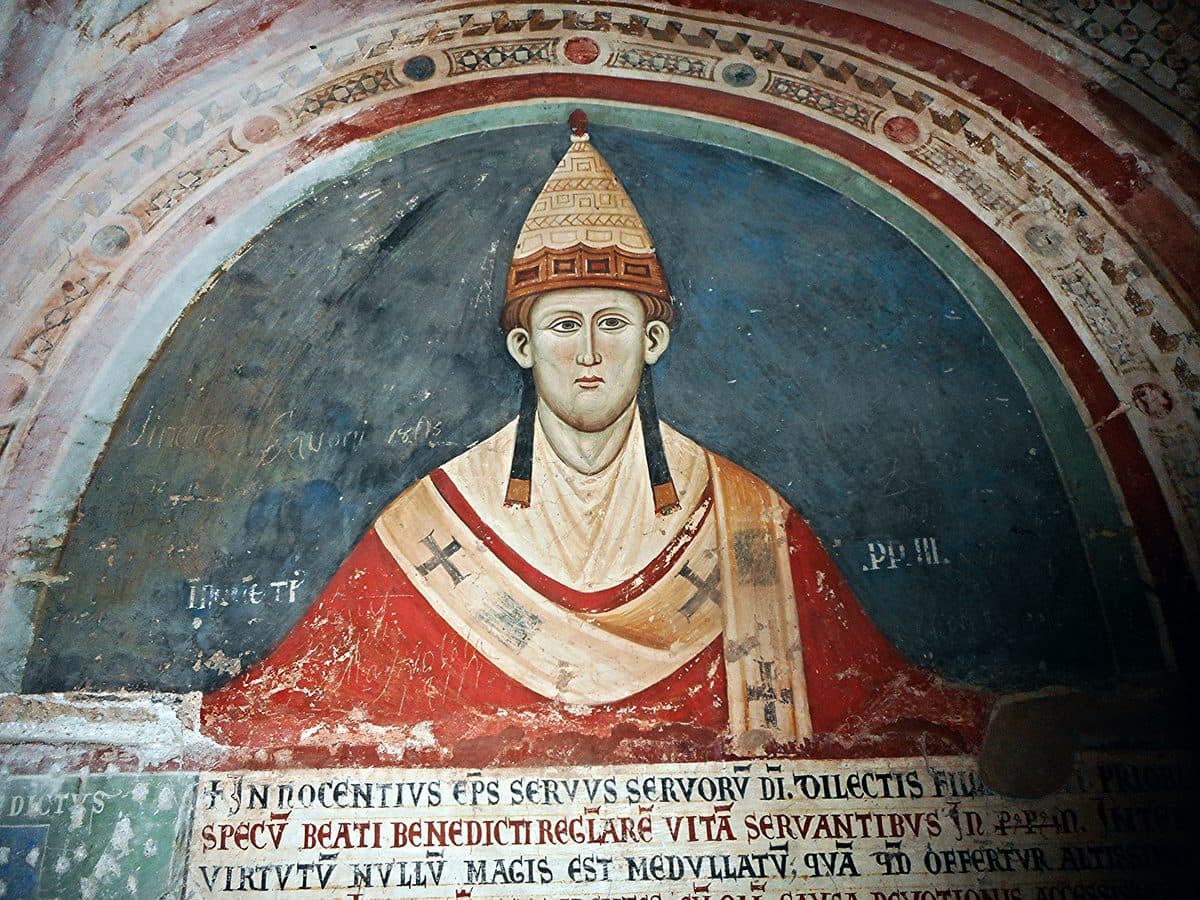
Rome, Italy
1202With two rivals claiming the German throne, Pope Innocent III issued the decretal Venerabilem. It stated that the pope had the right to examine the man the German princes elected as king.
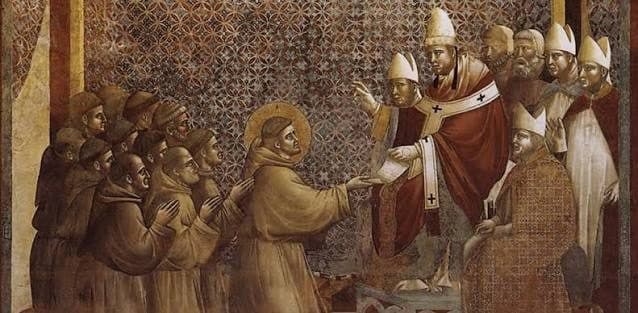
Assisi and Rome, Italy
1209-1256Pope Innocent III approved the brotherhood of Francis of Assisi in 1209, and the Dominican order was approved in 1216. In 1256 the pope united several groups of hermits into the Augustinian order.
Rome, Italy
1215Pope Innocent III presided over the Fourth Lateran Council. It defined the doctrine of transubstantiation, required annual confession, and directed rulers to act against heresy.
Zurich and Bern, Switzerland
1218The Zähringen line of dukes died out. Zurich and Bern came directly under the emperor, which left them largely free to govern themselves.
Worms, Germany
1231-1232The government of Emperor Frederick II granted the German princes rights over courts, coinage, and fortifications in their own territories.
Eisenach and Marburg, Germany
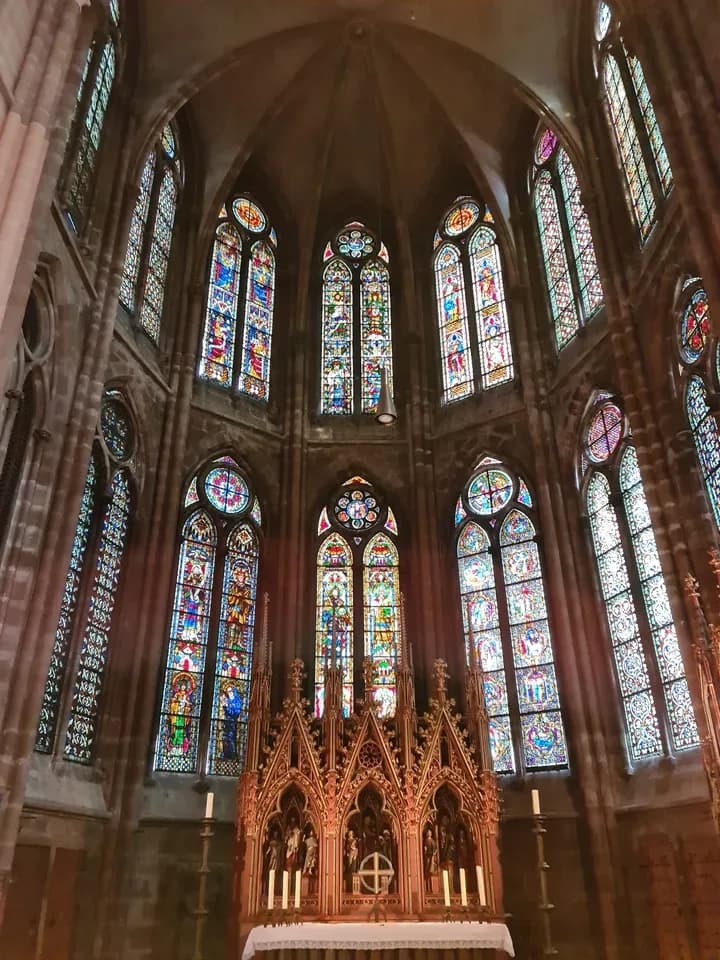
1231-1235Elizabeth, widow of the landgrave of Thuringia, left the Wartburg and founded a hospital in Marburg, where she died in 1231. Her confessor, Conrad of Marburg, served as a papal inquisitor and was murdered in 1233. She was canonized in 1235, and a church was begun over her tomb.
Lyon, France
1245At the First Council of Lyon, Pope Innocent IV declared Emperor Frederick II deposed.
Paris and Naples, France and Italy
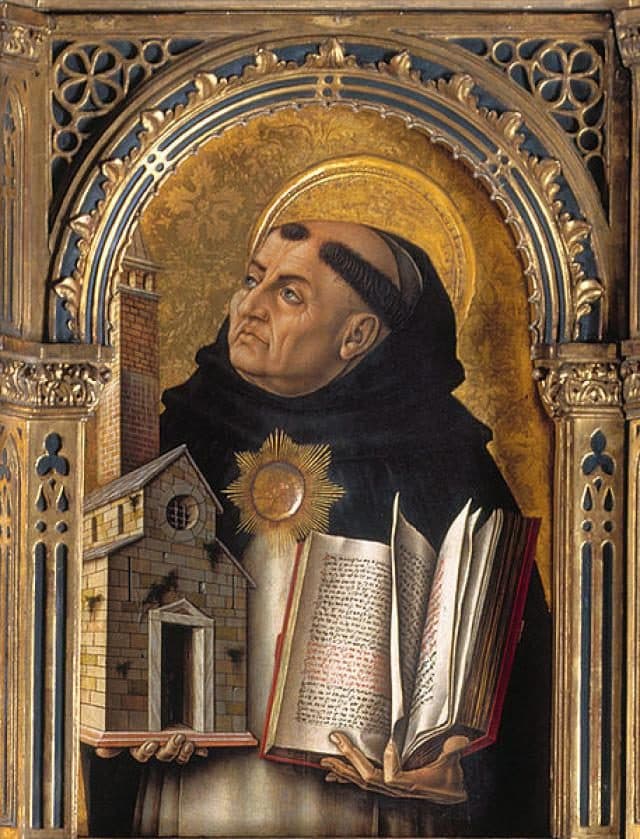
1265-1274Thomas Aquinas, a Dominican friar, wrote the Summa Theologiae, a systematic account of Christian theology that drew on the philosophy of Aristotle. He left it unfinished at his death in 1274.
Frankfurt, Germany
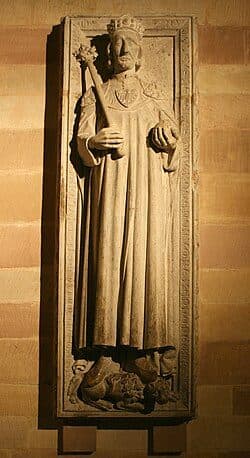
1273The German princes elected Rudolf, count of Habsburg, as king, ending two decades without an agreed ruler. His family's ancestral castle stands in what is now canton Aargau, Switzerland.
Central Switzerland, Switzerland
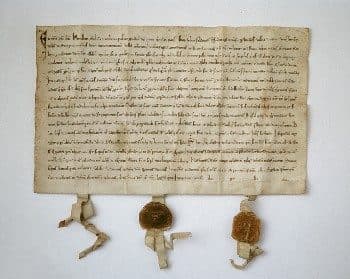
1291The valley communities of Uri, Schwyz, and Unterwalden swore a pact of mutual aid. The agreement is traditionally regarded as the founding of the Swiss Confederation.
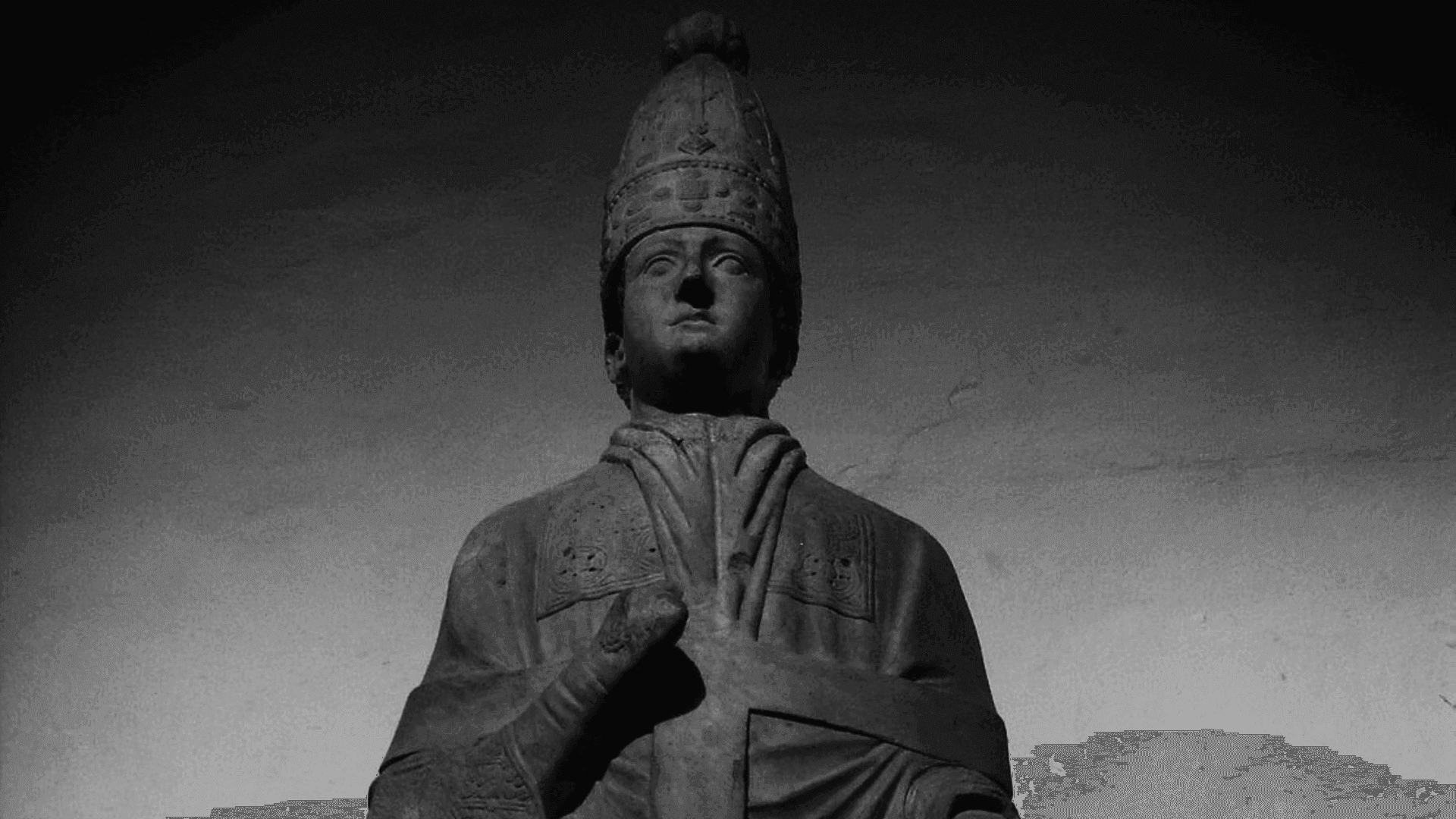
ArchitectureGerman builders favored the hall church, in which the nave and aisles rise to the same height under one roof. Towns competed to build tall spires, as at Freiburg and Ulm. At Avignon the popes built a fortified palace.
ArtDante wrote the Divine Comedy in Italian rather than Latin. In Germany the Pietà, a sculpture of Mary holding the dead Christ, became a common devotional image. After the plague, images of death appeared widely in churches and books.
Life and technologyA great famine struck in 1315-17, and the Black Death followed in 1347-51. Gunpowder and cannon entered warfare. In 1336 the guilds of Zurich gained a share in governing the city, and in 1390 a paper mill opened at Nuremberg.
Rome and Avignon, Italy and France
1300-1343Pope Boniface VIII proclaimed 1300 a Jubilee year and granted a full indulgence to pilgrims who visited Rome's basilicas. In 1343 Pope Clement VI defined the treasury of merit from which indulgences are drawn.
Rome and Anagni, Italy
1302-1303Boniface VIII issued the bull Unam Sanctam, declaring that every person must be subject to the Roman pontiff. The following year agents of King Philip IV of France seized the pope at Anagni, and he died weeks later.
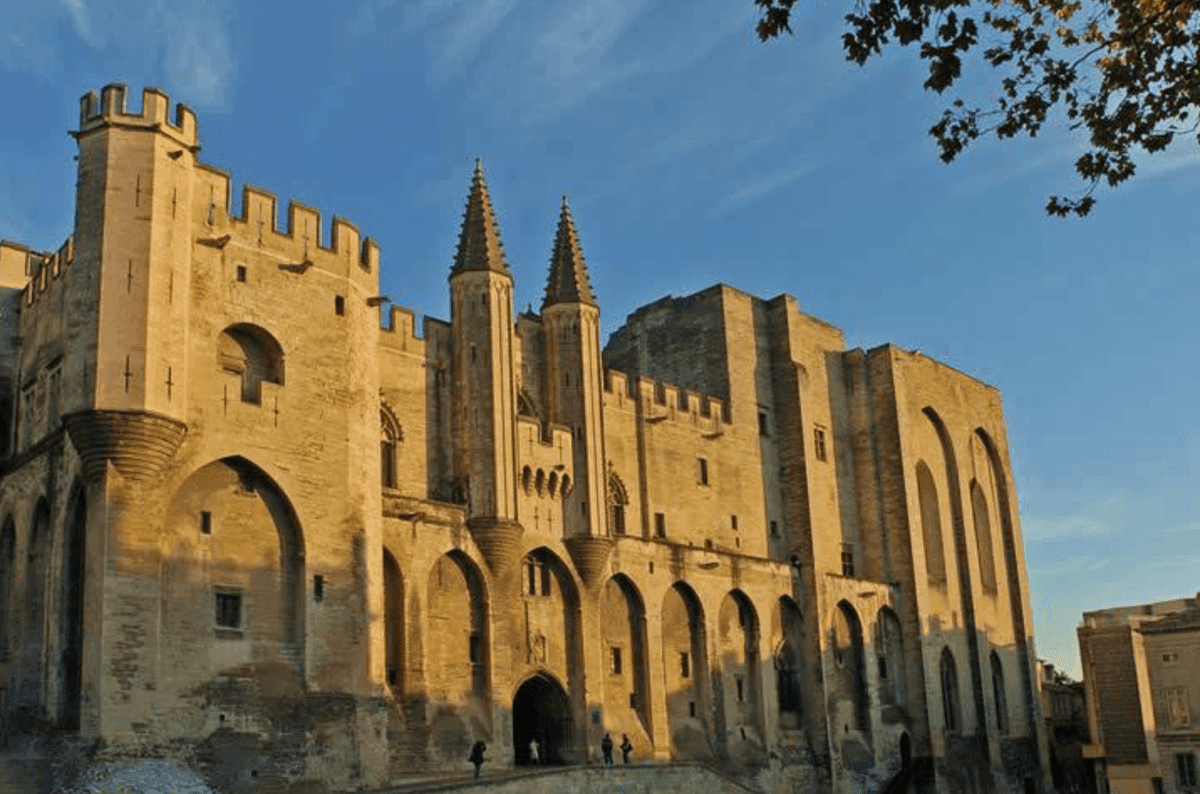
Avignon, France
1309Pope Clement V, a Frenchman, took up residence in Avignon. The popes remained there until 1377.
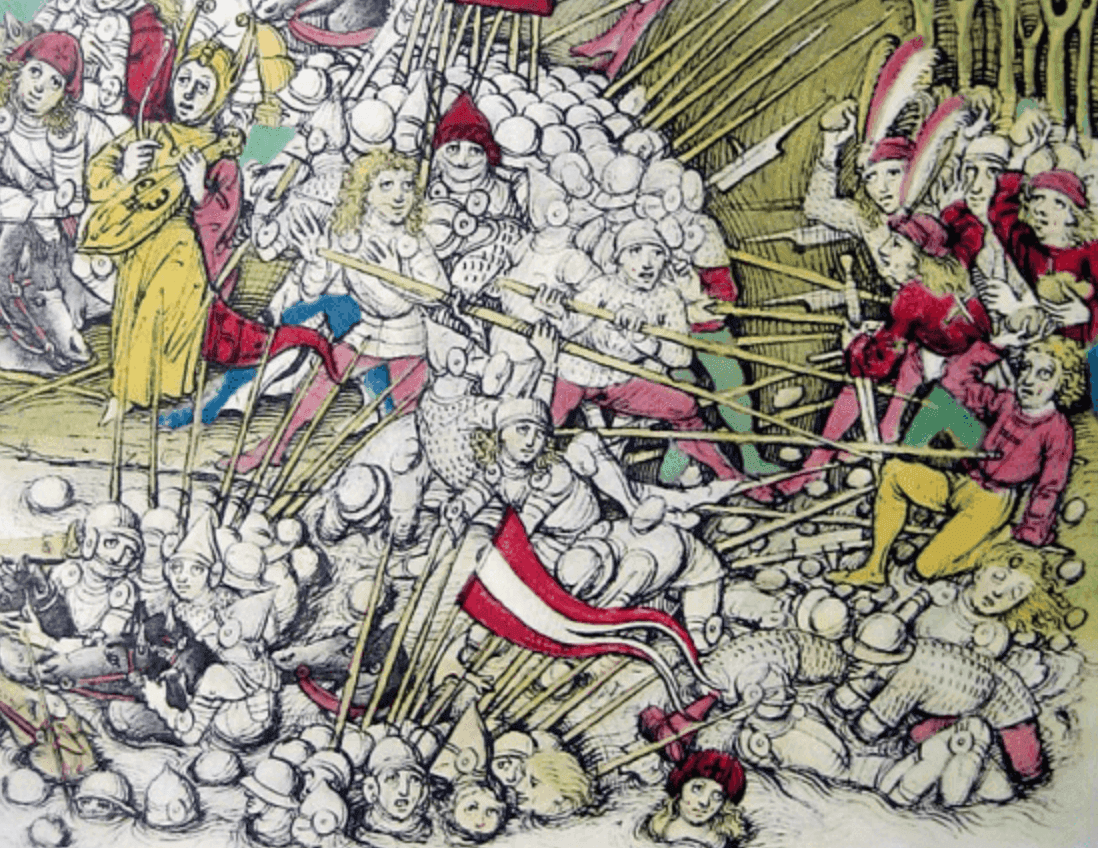
Morgarten, Zurich, Bern, and Sempach, Switzerland
1315-1386The Swiss defeated Habsburg armies at Morgarten in 1315 and at Sempach in 1386. Zurich joined the Confederation in 1351 and Bern in 1353.
Munich and Rhens, Germany
1324-1338Pope John XXII excommunicated Emperor Louis IV of Bavaria, whose court sheltered the writers Marsilius of Padua and William of Ockham. In 1338 the electors declared at Rhens that the king they chose needed no confirmation from the pope.
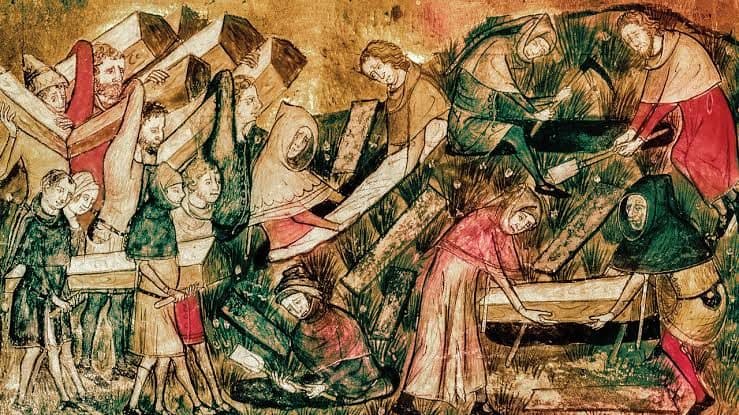
Europe, Europe
1347-1351Plague killed perhaps a third of Europe's population. Jews were accused of causing it and were massacred in many cities, including Basel and Strasbourg in 1349.
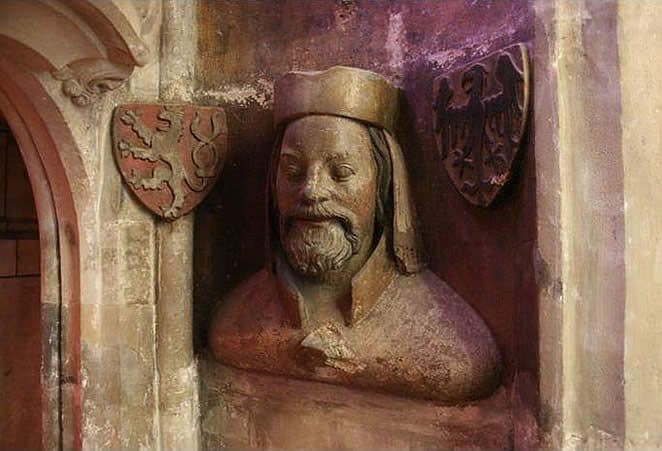
Prague, Heidelberg, and Erfurt, Czech Republic and Germany
1348-1392Charles IV founded a university in Prague in 1348, the first in central Europe. Heidelberg followed in 1386 and Erfurt in 1392.
Strasbourg and Frankfurt, France and Germany
Later 1300sThe Dominican Johannes Tauler preached in German on the inner life in Strasbourg and Basel. Later in the century an anonymous priest in Frankfurt wrote the devotional work known as the Theologia Germanica.
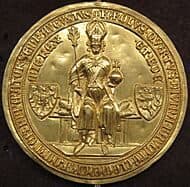
Nuremberg, Germany
1356Emperor Charles IV issued the Golden Bull, which placed the election of the German king in the hands of seven electors: three archbishops and four lay princes.
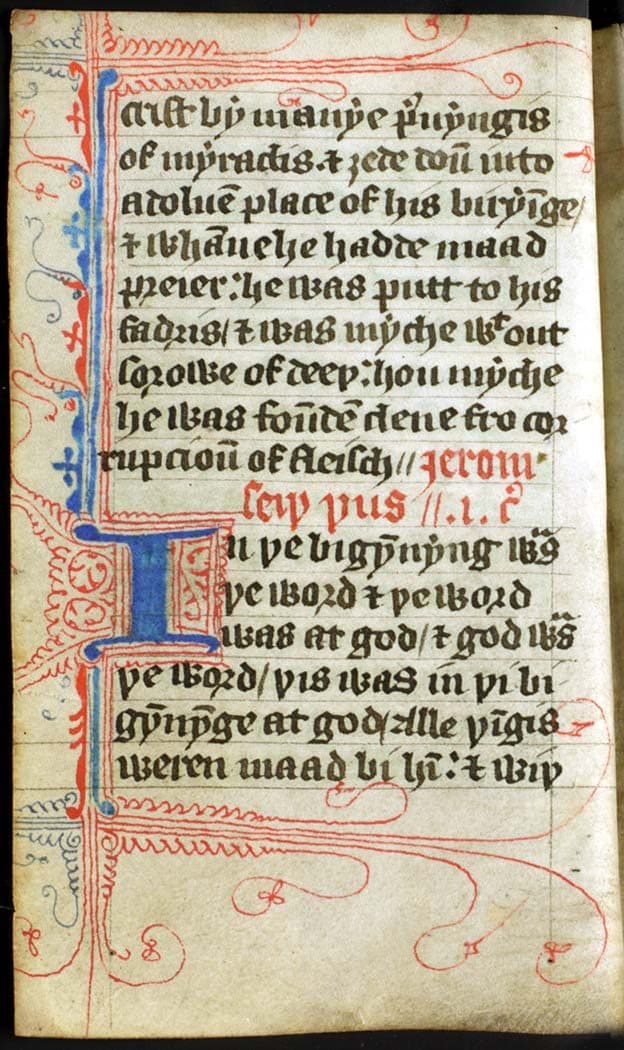
Oxford and Lutterworth, England
1370s-1384John Wycliffe, an Oxford theologian, taught that Scripture is the supreme authority and criticized the wealth of the church and the doctrine of transubstantiation. His followers produced the first complete English Bible. He died at Lutterworth in 1384.
Rome and Avignon, Italy and France
1378The cardinals elected Urban VI in Rome, then declared the election invalid and chose Clement VII, who settled at Avignon. Europe divided its loyalty between two lines of popes.
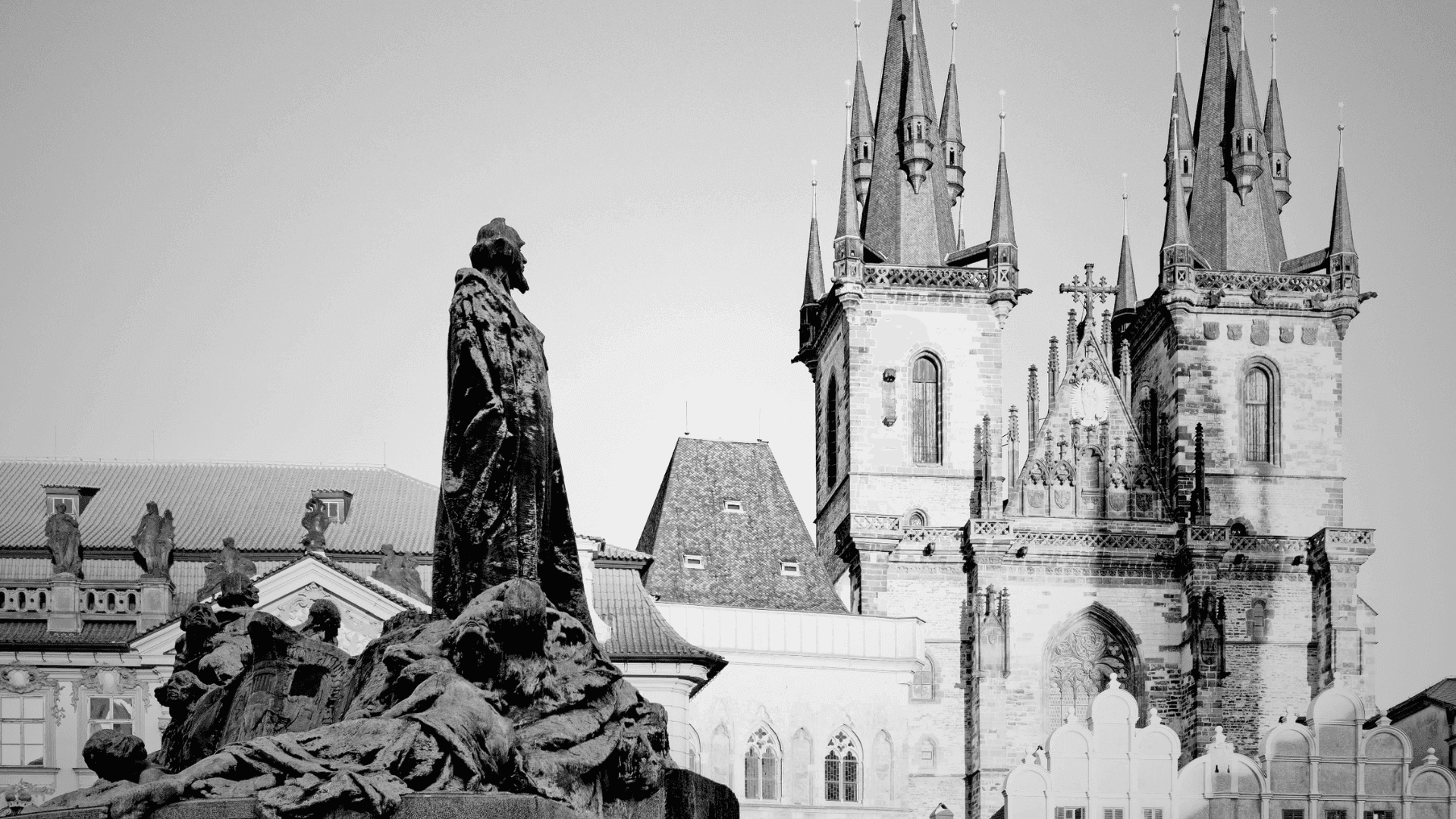
ArchitectureLate Gothic churches were built with intricate net and star vaults and filled with carved altarpieces. Towns endowed preaching posts and gave pulpits a prominent place. The Bethlehem Chapel in Prague, where Jan Hus preached, was a plain hall built to hold three thousand people for sermons in Czech.
ArtPainters in the north adopted oil paint, as in Jan van Eyck's Ghent Altarpiece of 1432. Woodcuts and engravings made images cheap, and Albrecht Dürer published his Apocalypse series in 1498. In Italy, Leonardo da Vinci painted the Last Supper.
Life and technologyPrinting with movable type began around 1450, and millions of books were in circulation by 1500. Humanist scholars returned to Greek and Hebrew sources. Silver and copper mining boomed in Saxony, the Fugger bank of Augsburg lent to popes and emperors, and Columbus crossed the Atlantic in 1492.
Pisa and Leipzig, Italy and Germany
1409A council at Pisa declared both rival popes deposed and elected a third, but neither of the others stepped down. In the same year German masters left the University of Prague and founded a university at Leipzig.
Constance, Germany
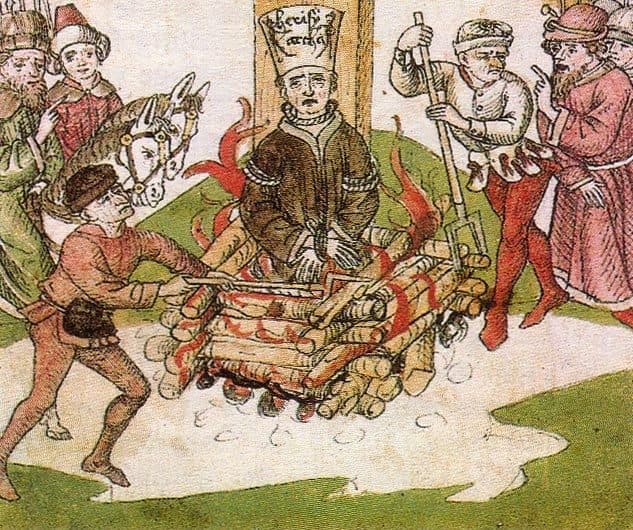
1414-1418The Council of Constance met in the city's cathedral and ended the schism by removing all three claimants and electing Martin V. It condemned the Bohemian reformer Jan Hus, who was burned on 6 July 1415, and his colleague Jerome of Prague, who was burned the following year.
Aargau, Switzerland
1415At the invitation of King Sigismund, the Swiss seized the Aargau, the ancestral territory of the Habsburgs, during the Council of Constance.
Prague, Czech Republic
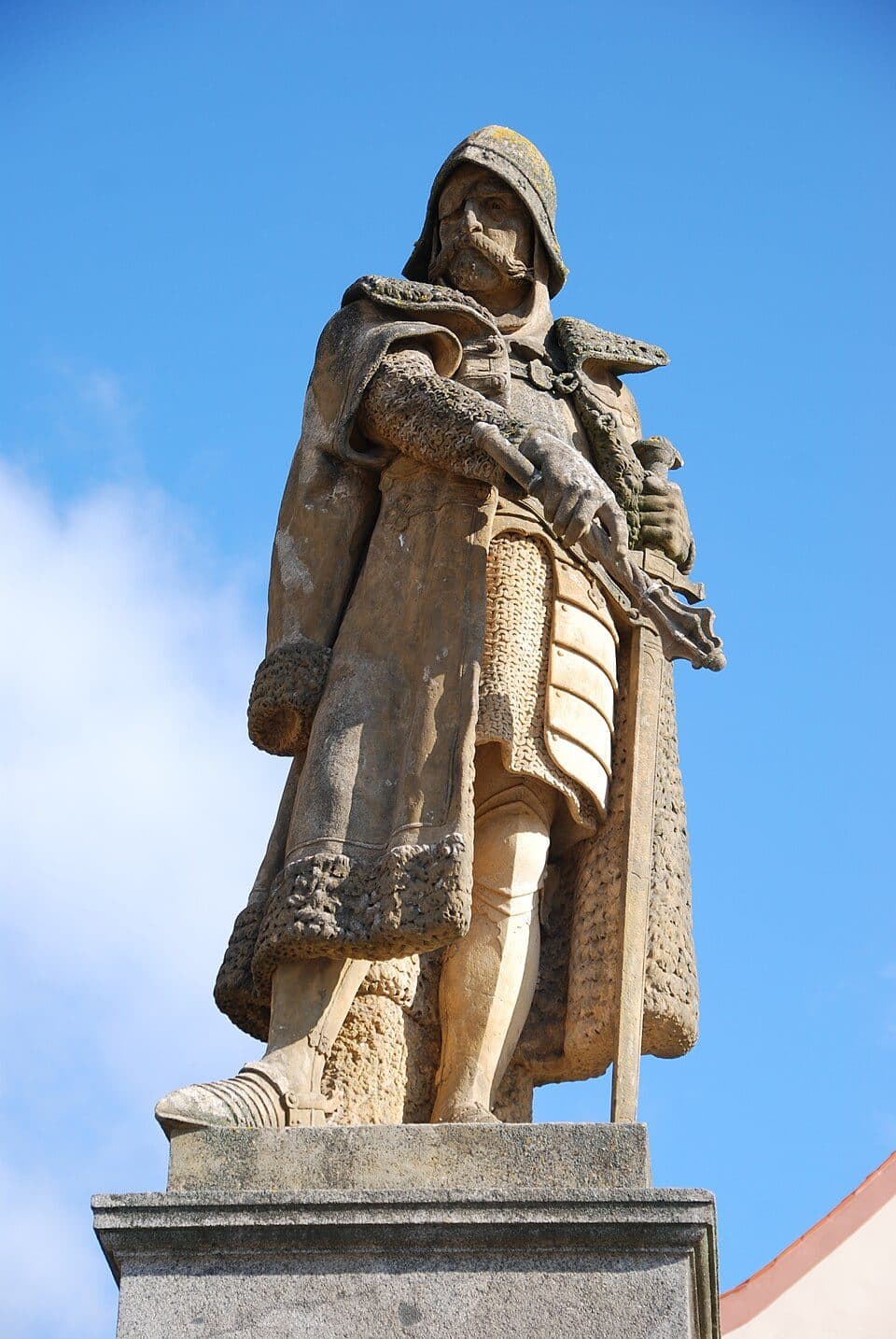
1419-1436Followers of Hus rose in revolt in Bohemia and defeated five crusades sent against them. In 1436 an agreement allowed Bohemians to receive both bread and wine in communion.
Bern, Switzerland
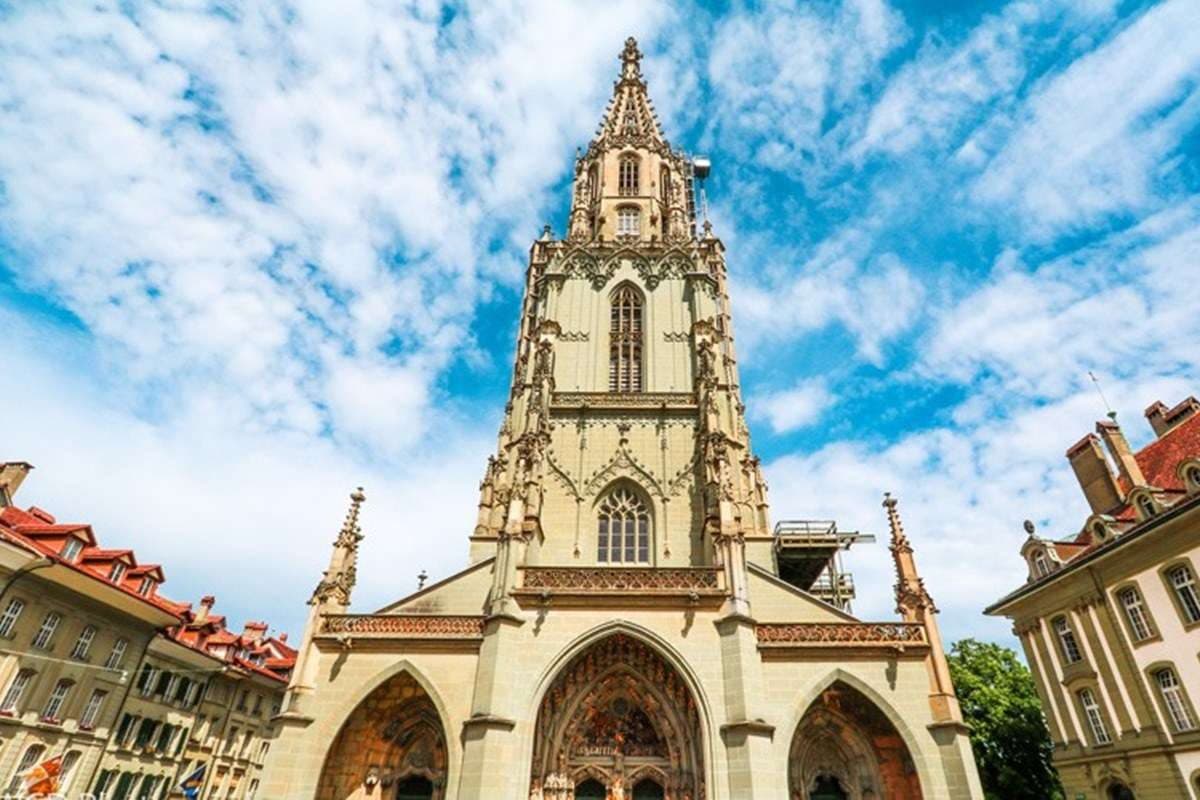
1421Bern laid the foundation stone of its minster. The carved Last Judgment over its main door survived the removal of images in 1528.
Wittenberg, Germany
1423Emperor Sigismund granted Saxe-Wittenberg and its electoral vote to Frederick of Meissen, of the house of Wettin, in return for his support against the Hussites.
Basel, Switzerland
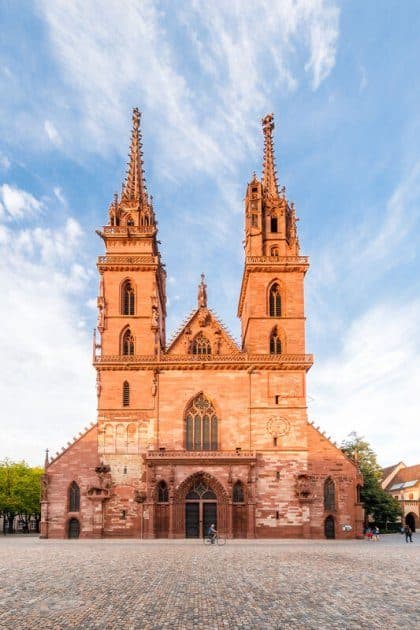
1431-1449The Council of Basel negotiated with the Hussites and asserted the authority of councils over popes. It declared Pope Eugenius IV deposed and elected a rival, but it lost support and dissolved in 1449.
Frankfurt, Germany
1438The electors chose Albert II of Habsburg as king. With one brief exception, the Habsburgs held the imperial title until the Empire ended in 1806.
Naples, Italy
1440The humanist Lorenzo Valla showed from its language and its historical errors that the Donation of Constantine was a forgery.
Vienna and Frankfurt, Austria and Germany
1448-1456Emperor Frederick III and Pope Nicholas V agreed in the Concordat of Vienna on the pope's rights to appointments and revenues in the German church. German estates soon began compiling formal lists of grievances against Rome.
Constantinople (Istanbul), Turkey
1453Ottoman forces under Sultan Mehmed II captured Constantinople, ending the Byzantine Empire. Ottoman armies advanced into southeastern Europe over the following decades.
Mainz, Germany
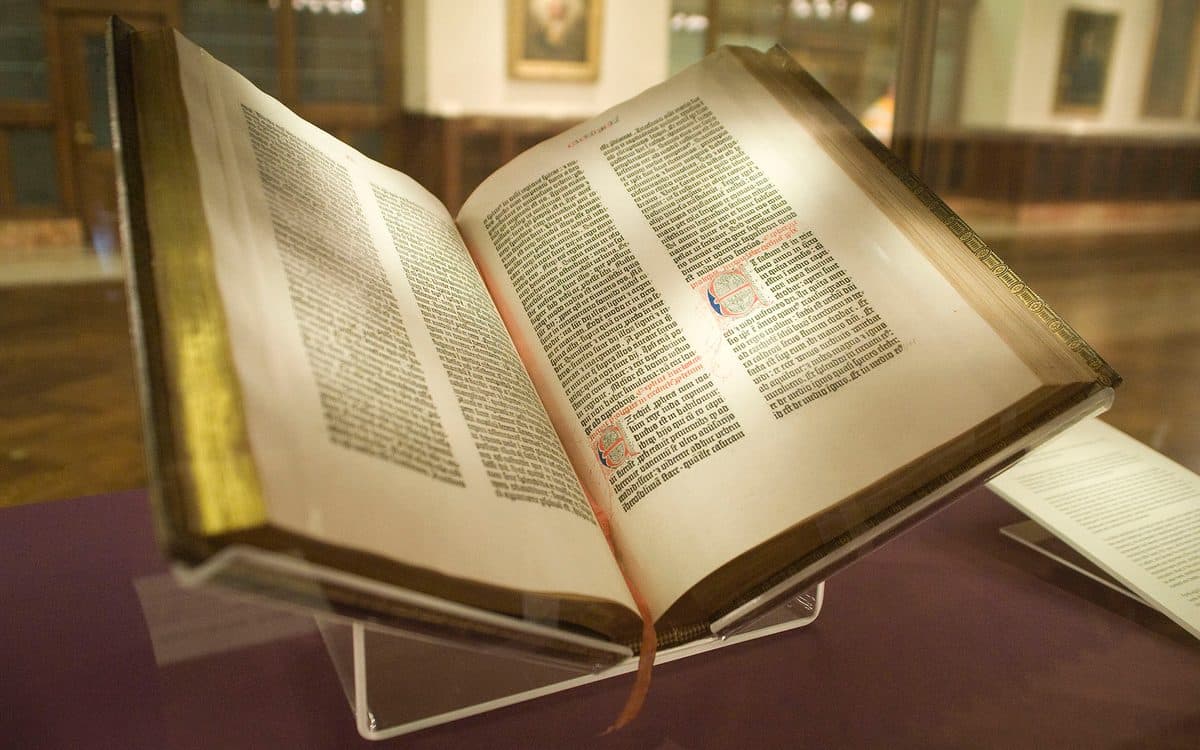
1454-1455Johannes Gutenberg printed the Latin Bible with movable type. The first printed German Bible followed at Strasbourg in 1466.
Mantua, Italy
1460Pope Pius II issued the bull Execrabilis, forbidding appeals from a pope to a future general council.
Rome, Italy
1476Pope Sixtus IV declared that indulgences could be obtained on behalf of souls in purgatory.
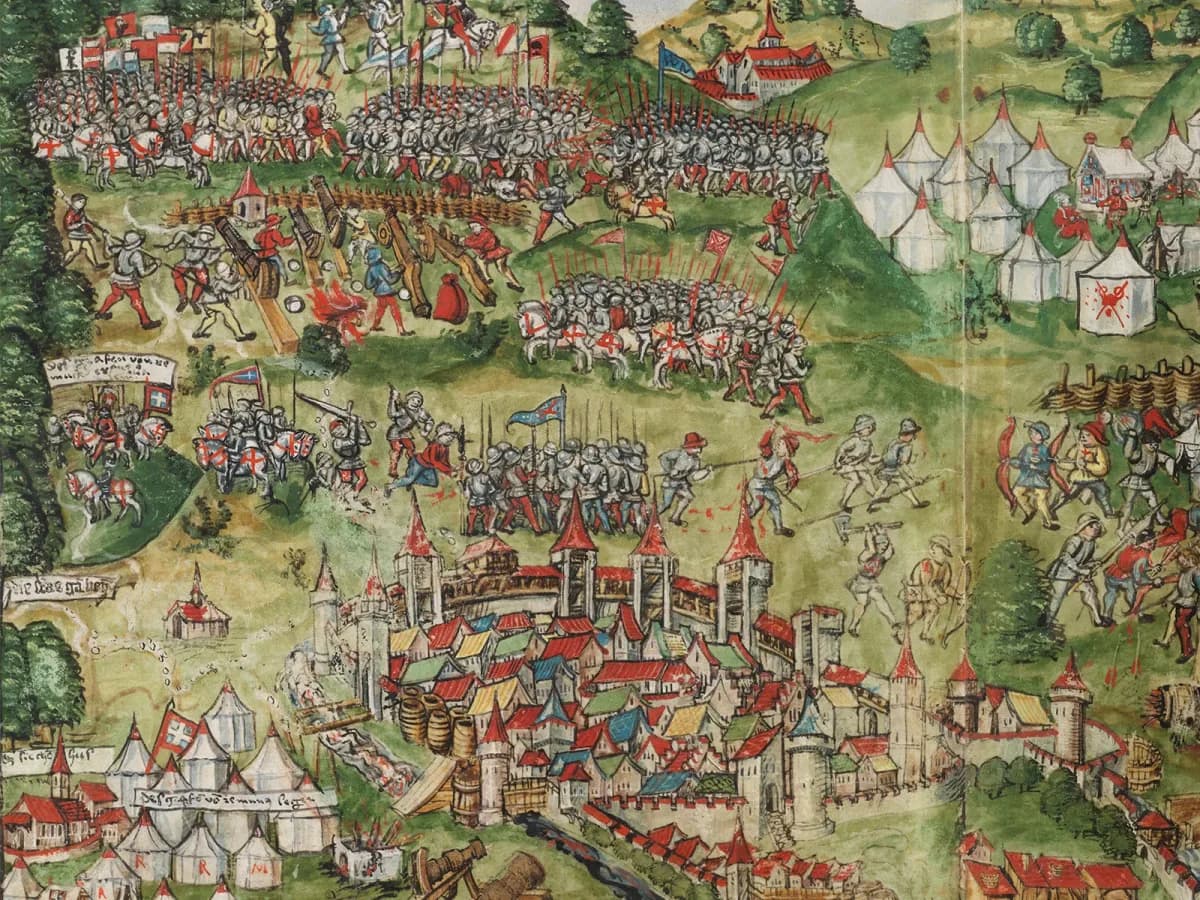
Murten and Nancy, Switzerland and France
1476-1477Swiss armies defeated Charles the Bold, duke of Burgundy, at Grandson and Murten, and he was killed at Nancy in 1477. Much of his territory passed by marriage to the Habsburgs.
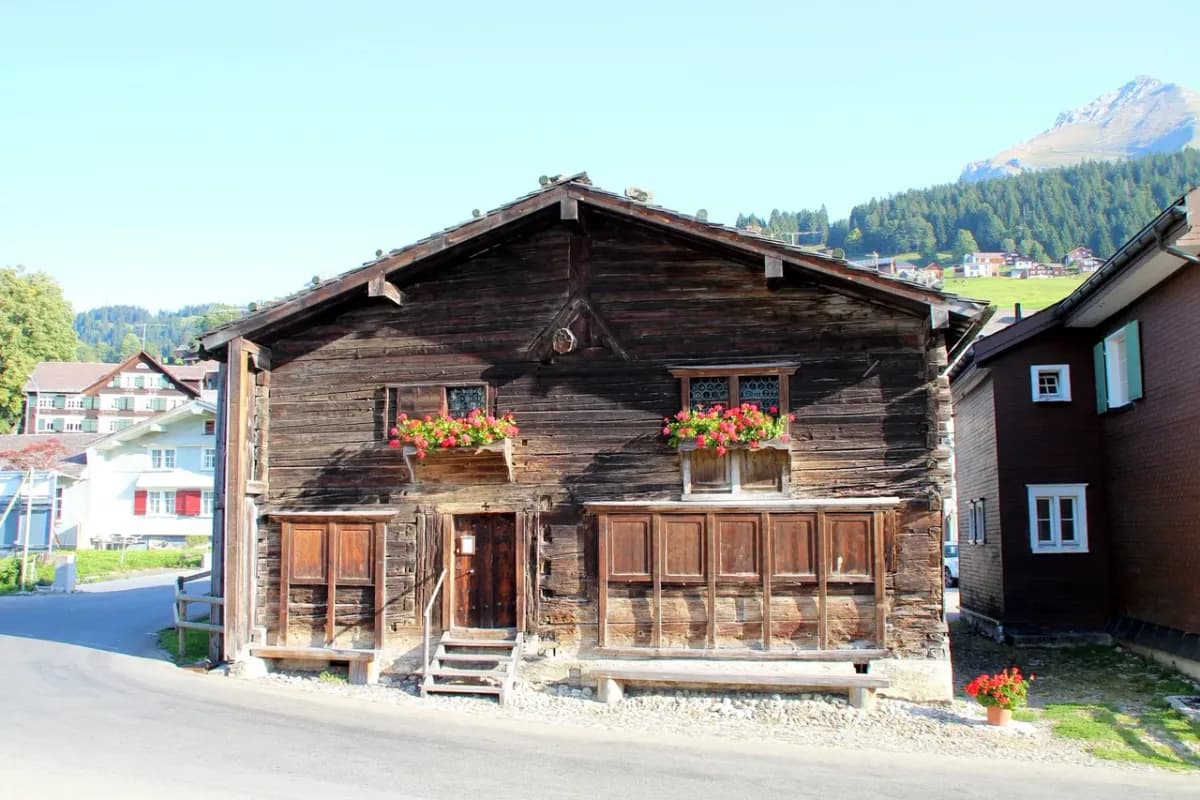
Eisleben and Wildhaus, Germany and Switzerland
1483-1484Martin Luther was born in Eisleben on 10 November 1483. Huldrych Zwingli was born in Wildhaus on 1 January 1484.
Leipzig, Germany
1485The brothers Ernest and Albert of the house of Wettin divided Saxony. Ernest kept the electoral title and Wittenberg, and Albert received the lands around Leipzig and Dresden.
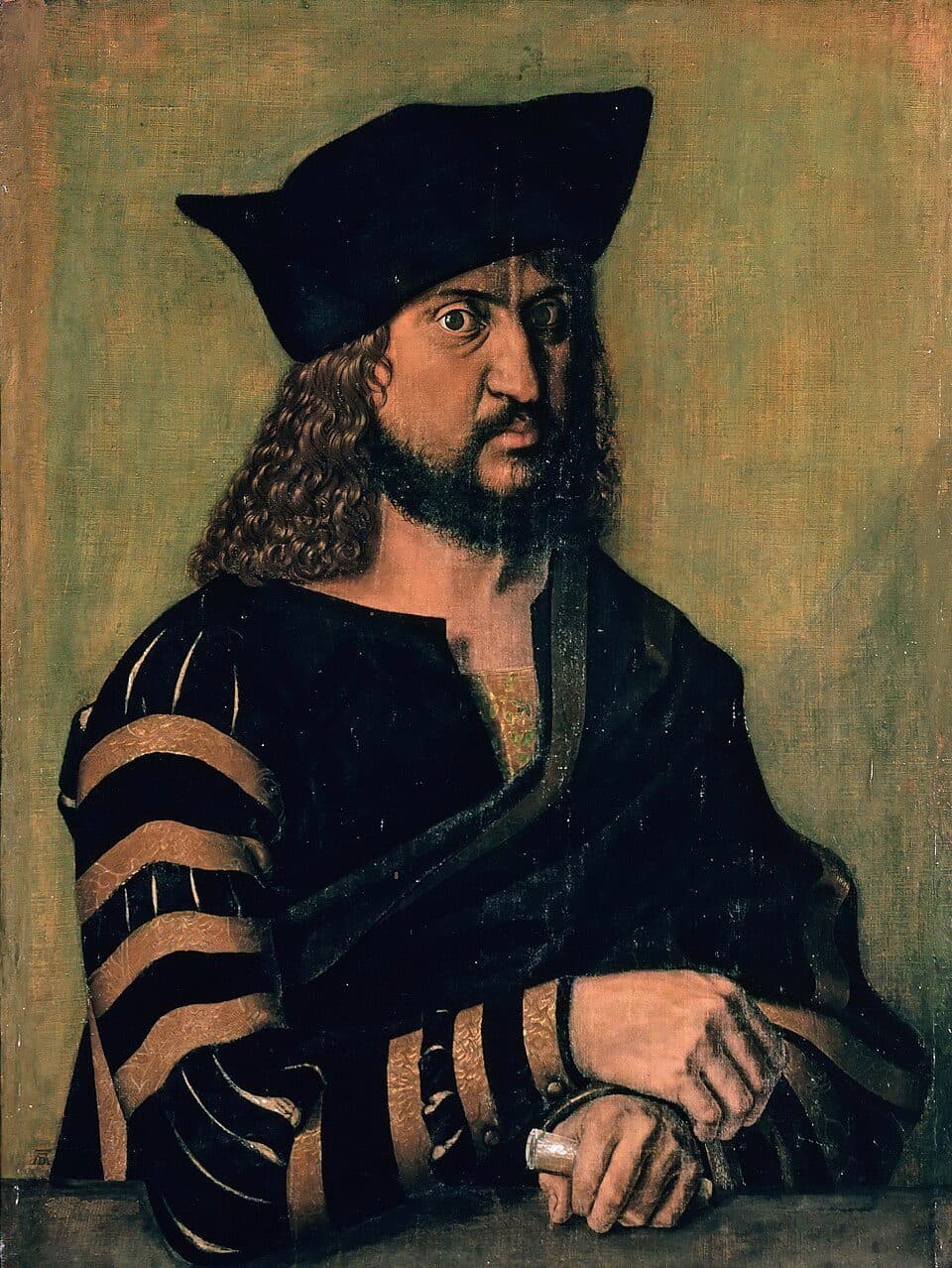
Wittenberg, Germany
1486Frederick III, later called the Wise, succeeded his father as elector of Saxony. He ruled until 1525.
Italy, Italy
1494King Charles VIII of France invaded Italy to claim the kingdom of Naples. The wars that followed drew in the papacy, the Habsburgs, and Swiss mercenaries for more than sixty years.
Worms and Basel, Germany and Switzerland
1495-1499The Diet of Worms in 1495 created an imperial court and a common tax. The Swiss refused both, defeated Emperor Maximilian I in the Swabian War, and made peace at Basel in 1499.
Toledo and Alcalá, Spain
1495-1517Cardinal Francisco Jiménez de Cisneros, archbishop of Toledo, reformed the Spanish clergy and religious orders and founded the University of Alcalá. Its scholars printed the Complutensian Polyglot, a Bible in Hebrew, Greek, and Latin, between 1514 and 1517.
Genoa, Italy
1497Lay people and clergy in Genoa formed the Oratory of Divine Love, a brotherhood devoted to prayer and care for the sick. A branch founded in Rome about 1514 included several future leaders of Catholic reform.
Eisenach, Germany
1498-1501Martin Luther attended the Latin school of St. George in Eisenach, lodging with a local family.
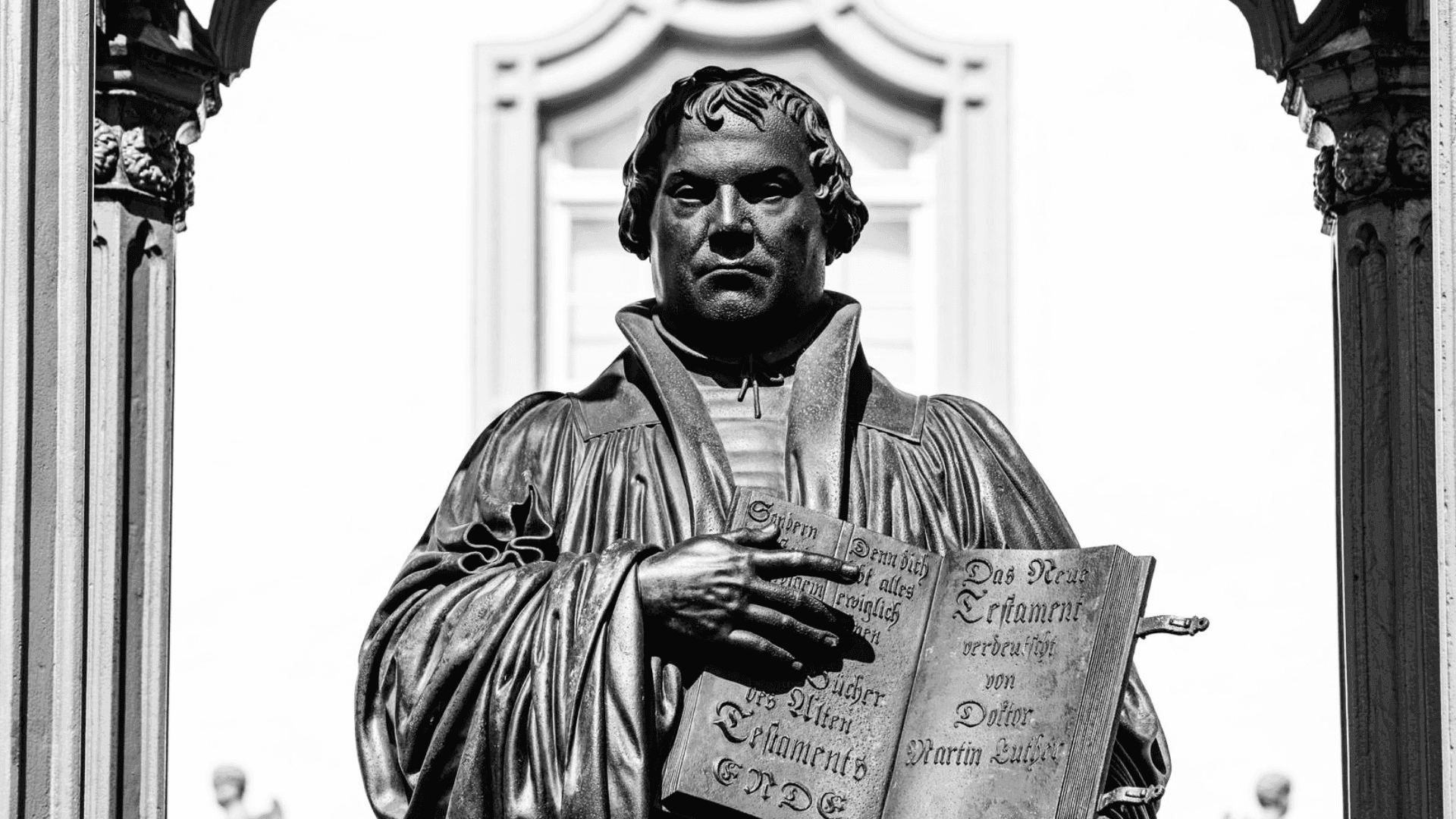
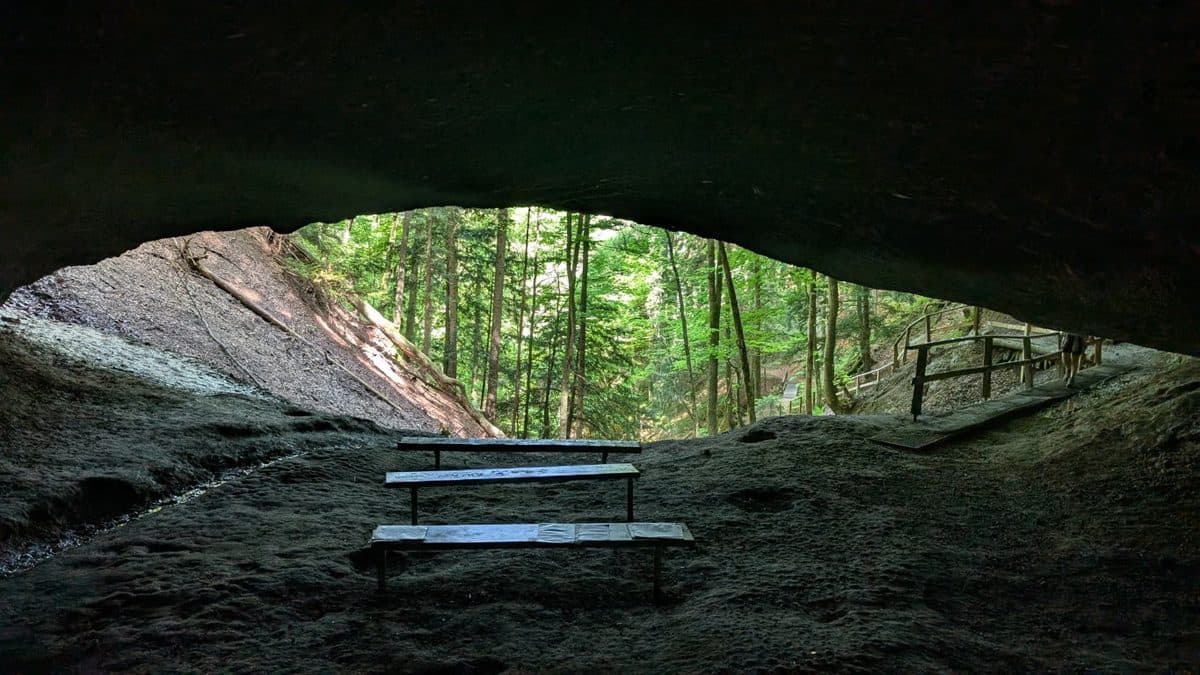
ArchitectureIn Rome the popes rebuilt St. Peter's Basilica, and from 1568 the Jesuit church of the Gesù set the pattern for Catholic building: one wide nave, side chapels, a clear view of the altar and pulpit, and rich decoration meant to teach and to move. Lutherans kept their medieval churches largely as they were, and in 1544 Luther dedicated the castle chapel at Torgau, built for Protestant worship with galleries and a prominent pulpit. Reformed cities such as Zurich removed images and organs and whitewashed the walls. Anabaptists had no church buildings and met in houses, barns, and the open air.
ArtLucas Cranach of Wittenberg painted Luther's portraits and altarpieces and produced woodcuts against the papacy. Hans Holbein worked in Basel before leaving for England. Crowds and councils removed or destroyed religious images in Wittenberg, Zurich, Basel, and Geneva. Luther wrote hymns for congregations to sing, Zurich banned music from its churches, and Geneva sang the psalms.
Life and technologyPrinted pamphlets spread the Reformation, and Luther became the most published author in Germany. Bibles in the common language and new schools raised literacy. Clergy married, monasteries closed, and towns set up common funds for the poor. In 1543 Copernicus's book on the heavens was printed in Nuremberg and Vesalius's book on anatomy in Basel.
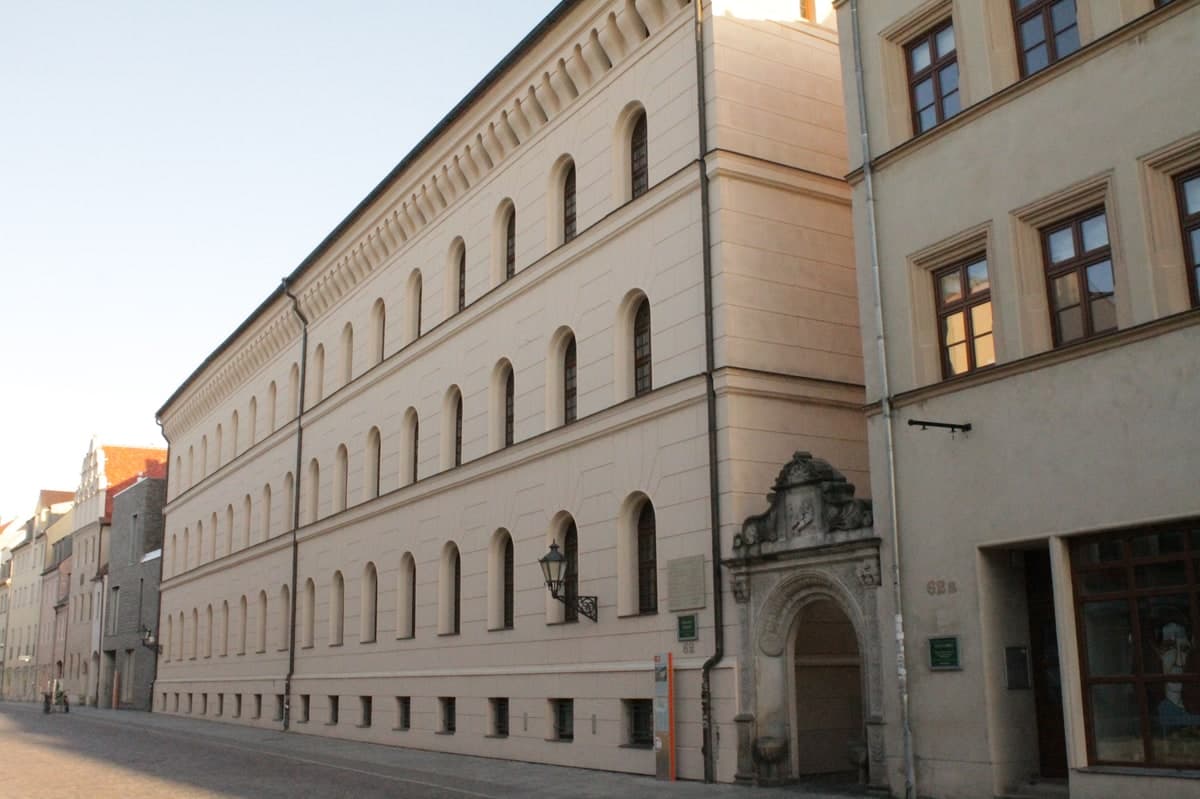
Wittenberg, Germany
1502Founded in 1502, the University of Wittenberg would become Luther's primary post and the place from which he would write and post the 95 Theses.
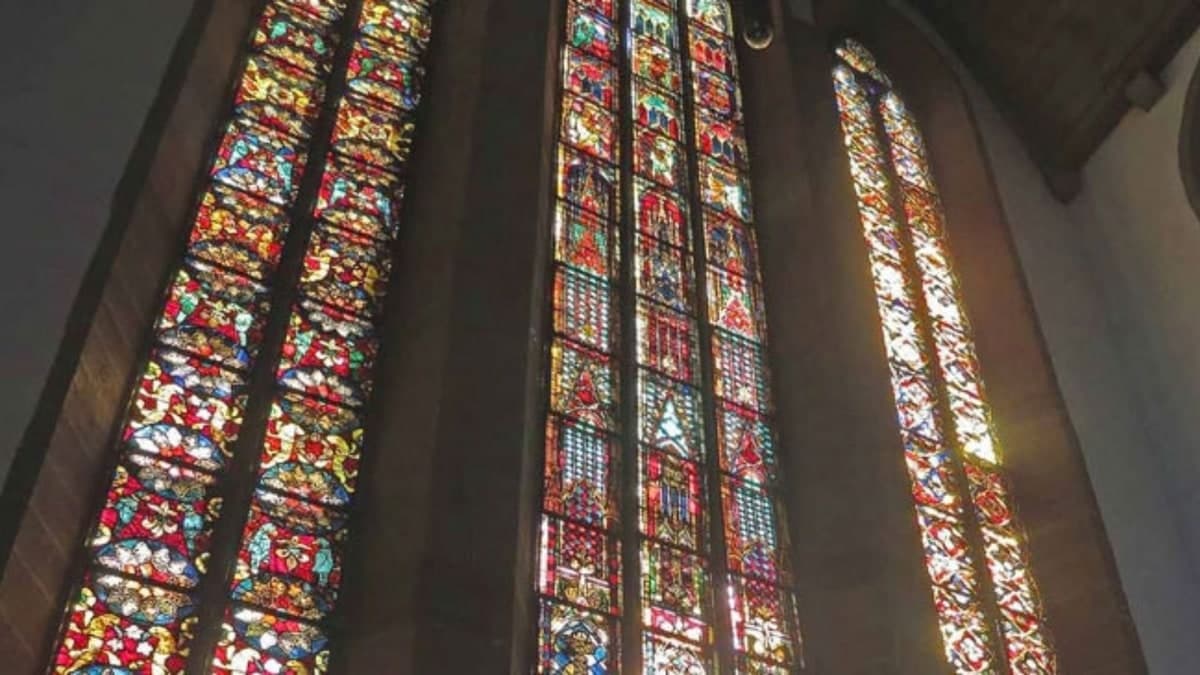
Erfurt, Germany
1505In 1505, Luther decides to enter the Augustinian friary in Erfurt, Germany.
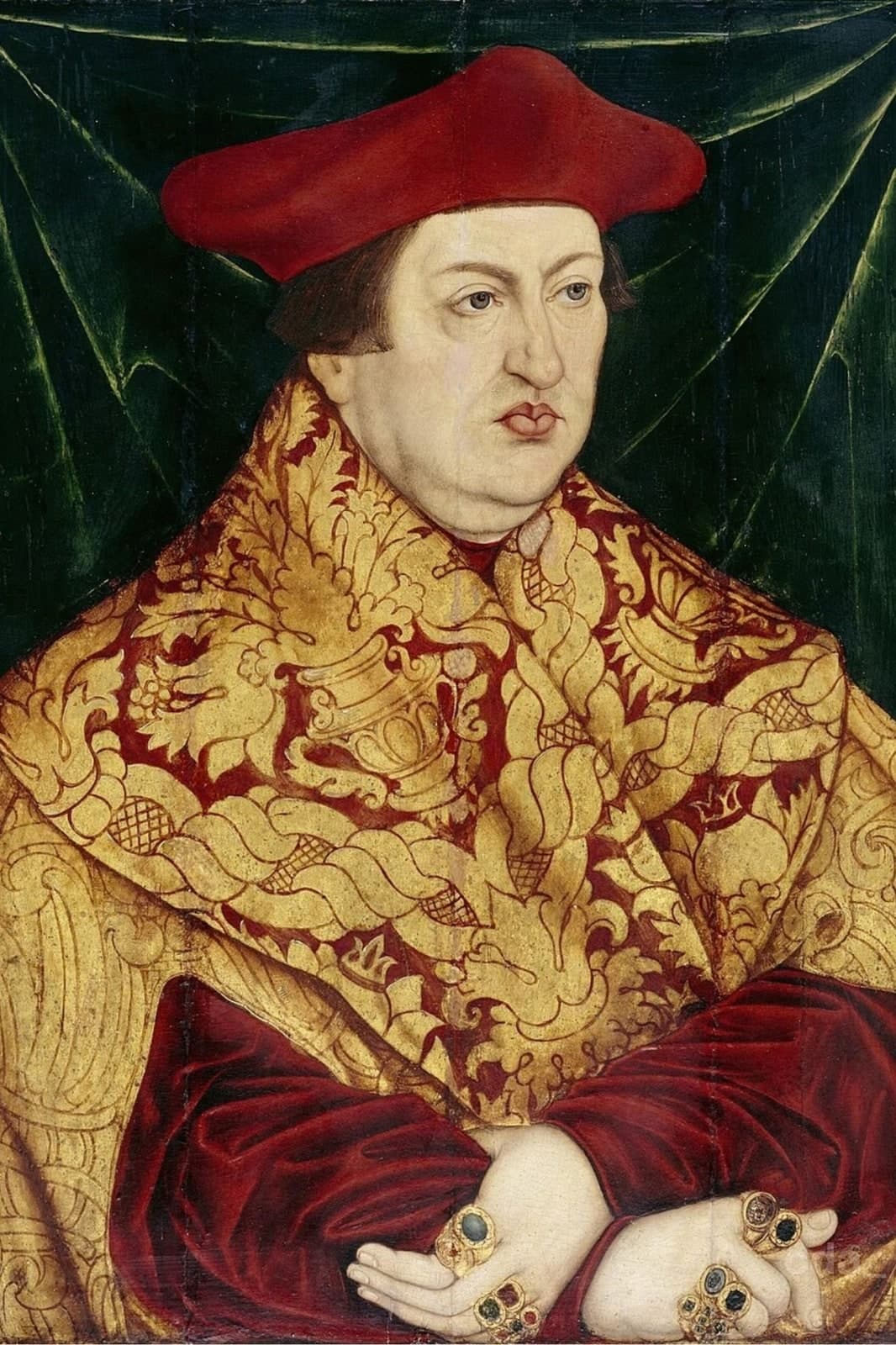
Mainz, Germany
1514-1515In 1514 Albrecht of Brandenburg became the Archbishop of Mainz while already holding two other church offices. Rome charged heavily for permission, and he borrowed the money from the Fugger bank in Augsburg. In 1515 Pope Leo X authorized an indulgence in Albrecht's lands to fund the rebuilding of St Peter's. Half the proceeds went to Rome and half to repay the loan. The Dominican Johann Tetzel began preaching it in 1517. Frederick the Wise kept him out of Saxony, so people from Wittenberg crossed the border to buy.
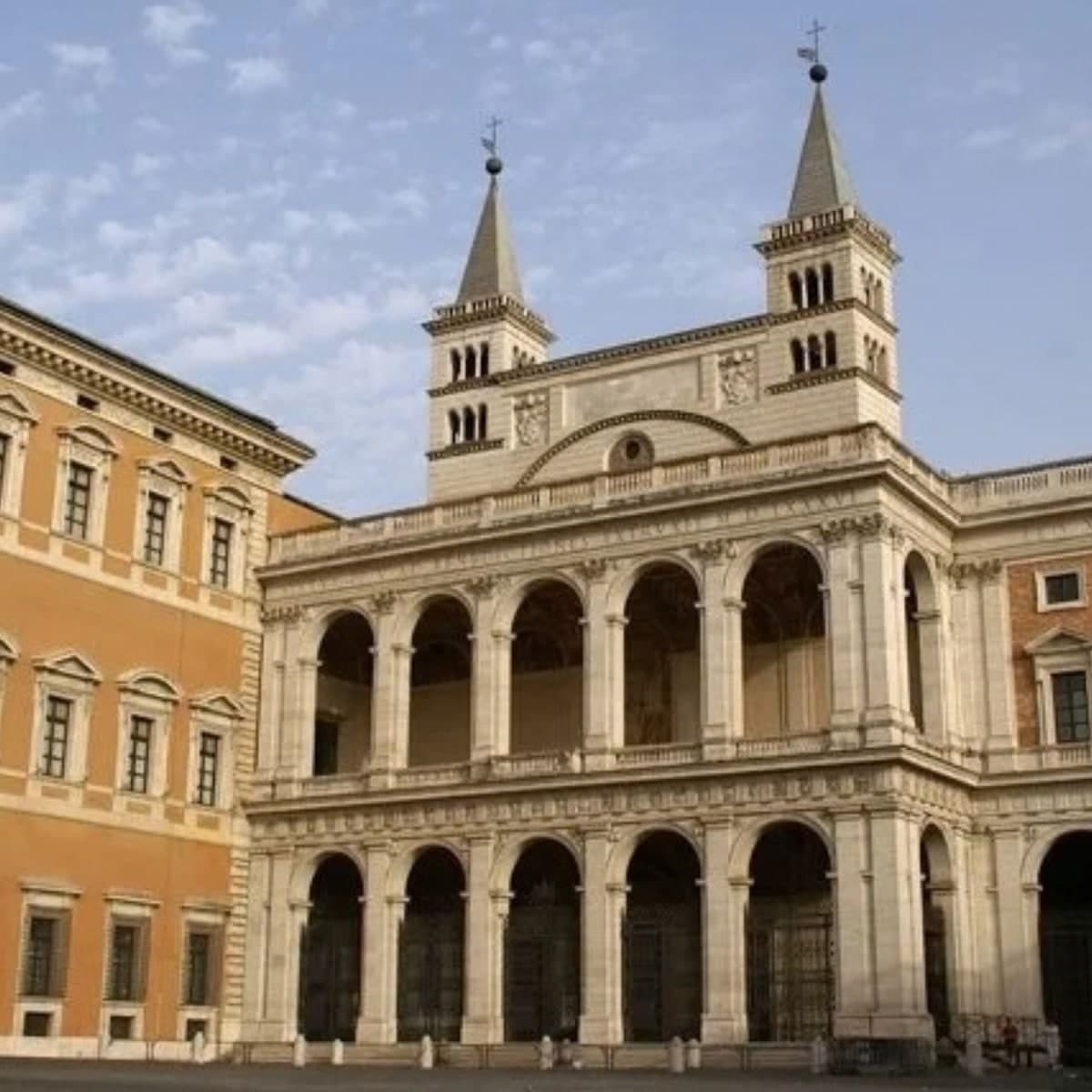
Rome, Italy
1512-1517The Fifth Lateran Council was held from 1512 to 1517. The primary purpose of the council was to respond to the schismatic, pro-French Council of Pisa (1511), which stood against the papacy.
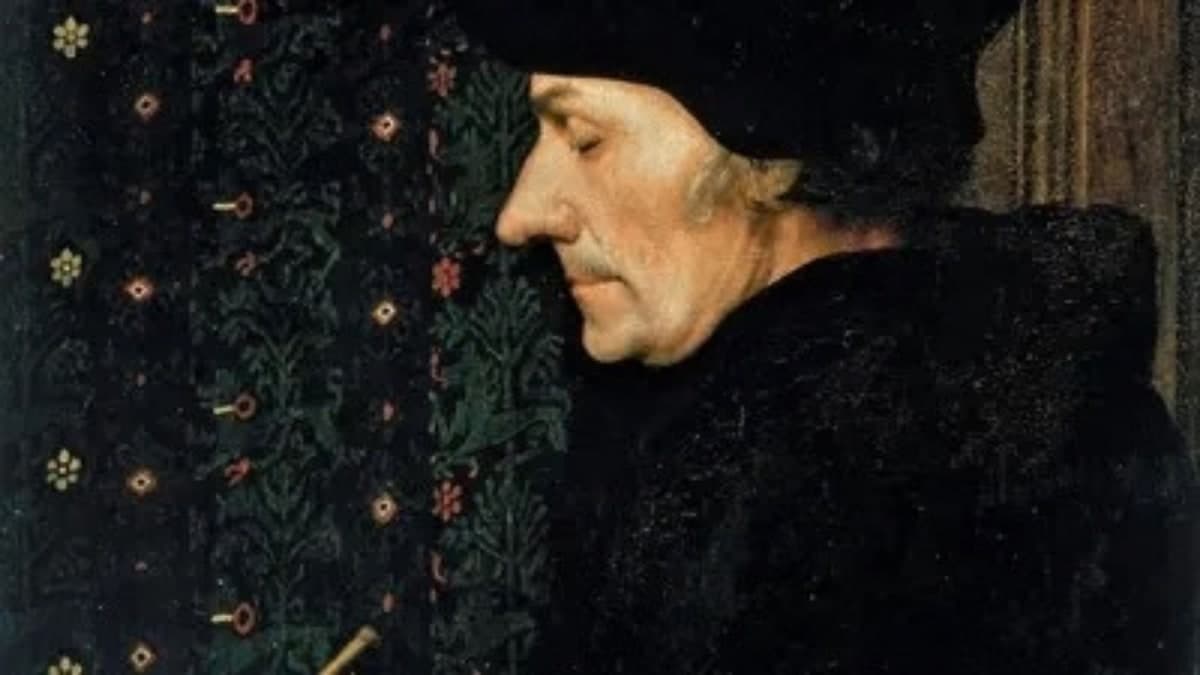
Basel, Switzerland
1516Erasmus's Greek New Testament is published in 1516 from Basel, Switzerland.
Basel, Schaffhausen, and Appenzell, Switzerland
1501-1513Basel and Schaffhausen joined the Swiss Confederation in 1501, and Appenzell in 1513. The Confederation then had thirteen cantons, a number that held until 1798.
Erfurt, Germany
1501-1505Luther enrolled at the University of Erfurt in 1501 and received his master's degree in 1505. He began to study law that spring.
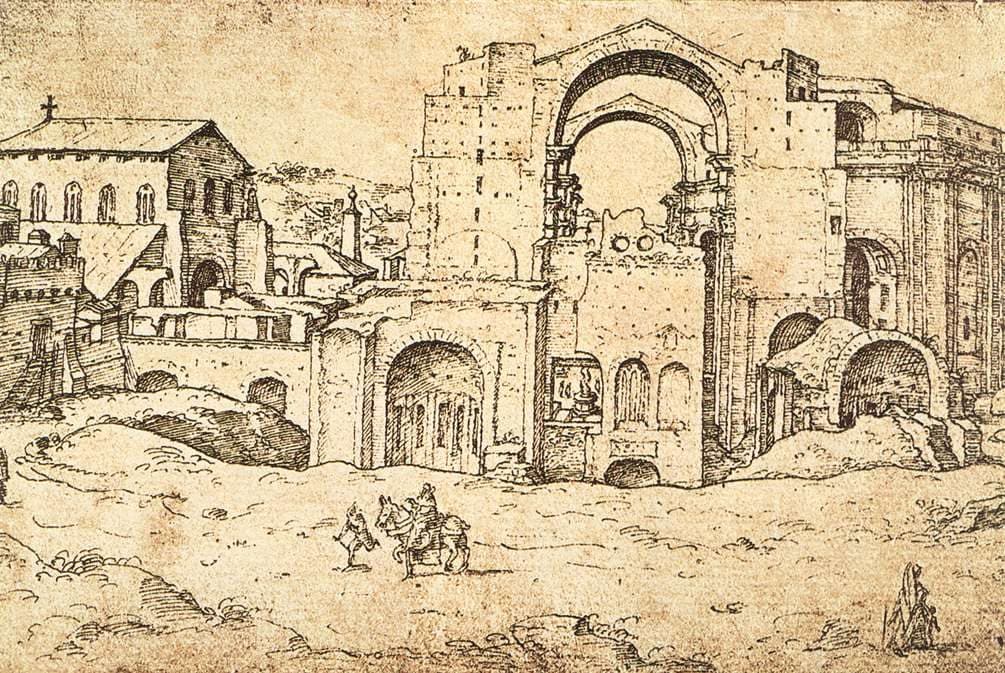
Rome, Italy
1506Pope Julius II laid the foundation stone of the new St. Peter's Basilica. In the same year the first Swiss Guards entered papal service.
Erfurt, Germany
1507Luther was ordained in Erfurt Cathedral in April 1507 and celebrated his first Mass at the Augustinian friary a month later.
Rome, Italy
1510-1511Luther traveled to Rome on foot on business for his order. He visited the city's churches and shrines as a pilgrim.
Wittenberg, Germany
1512Luther received his doctorate at Wittenberg in October 1512 and took up the university's chair of biblical studies.
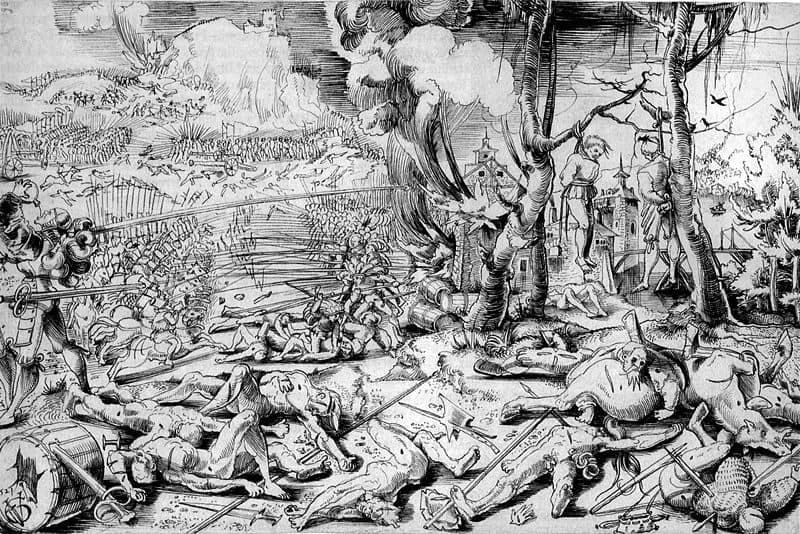
Marignano (Melegnano), Italy
1515French forces defeated the Swiss at Marignano, near Milan. Huldrych Zwingli, then a priest in Glarus, had served as chaplain to Swiss troops in Italy.
Einsiedeln, Switzerland
1516-1518Huldrych Zwingli served as priest at the abbey of Einsiedeln, where he studied the Greek New Testament. In 1518 he preached against Bernardino Samson, who was selling indulgences in the region.
Fribourg, Switzerland
1516After Marignano, the Swiss cantons and King Francis I of France signed a Perpetual Peace at Fribourg. A further treaty in 1521 allowed France to recruit Swiss soldiers; Zurich, urged by Zwingli, refused to join it.
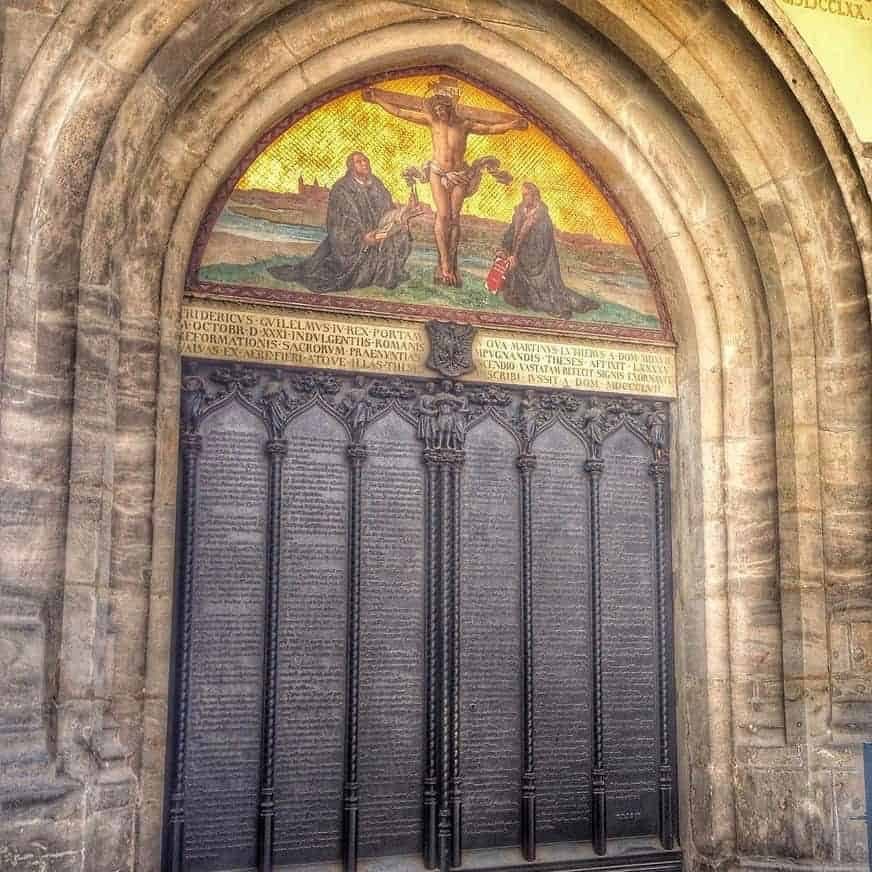
Wittenberg, Germany
1517On 31 October, Martin Luther sent ninety-five theses on indulgences to Archbishop Albrecht of Mainz. They were soon printed and circulated across Germany.
Heidelberg, Germany
1518Luther presented his theology at a meeting of the Augustinian order in Heidelberg. Among those who heard him was the Dominican Martin Bucer, later the reformer of Strasbourg.
Wittenberg, Germany
1518Philip Melanchthon, aged twenty-one, became professor of Greek at Wittenberg. He became Luther's closest colleague.
Augsburg, Germany
1518Luther was examined by the papal legate, Cardinal Cajetan, and refused to recant. He left the city secretly by night.
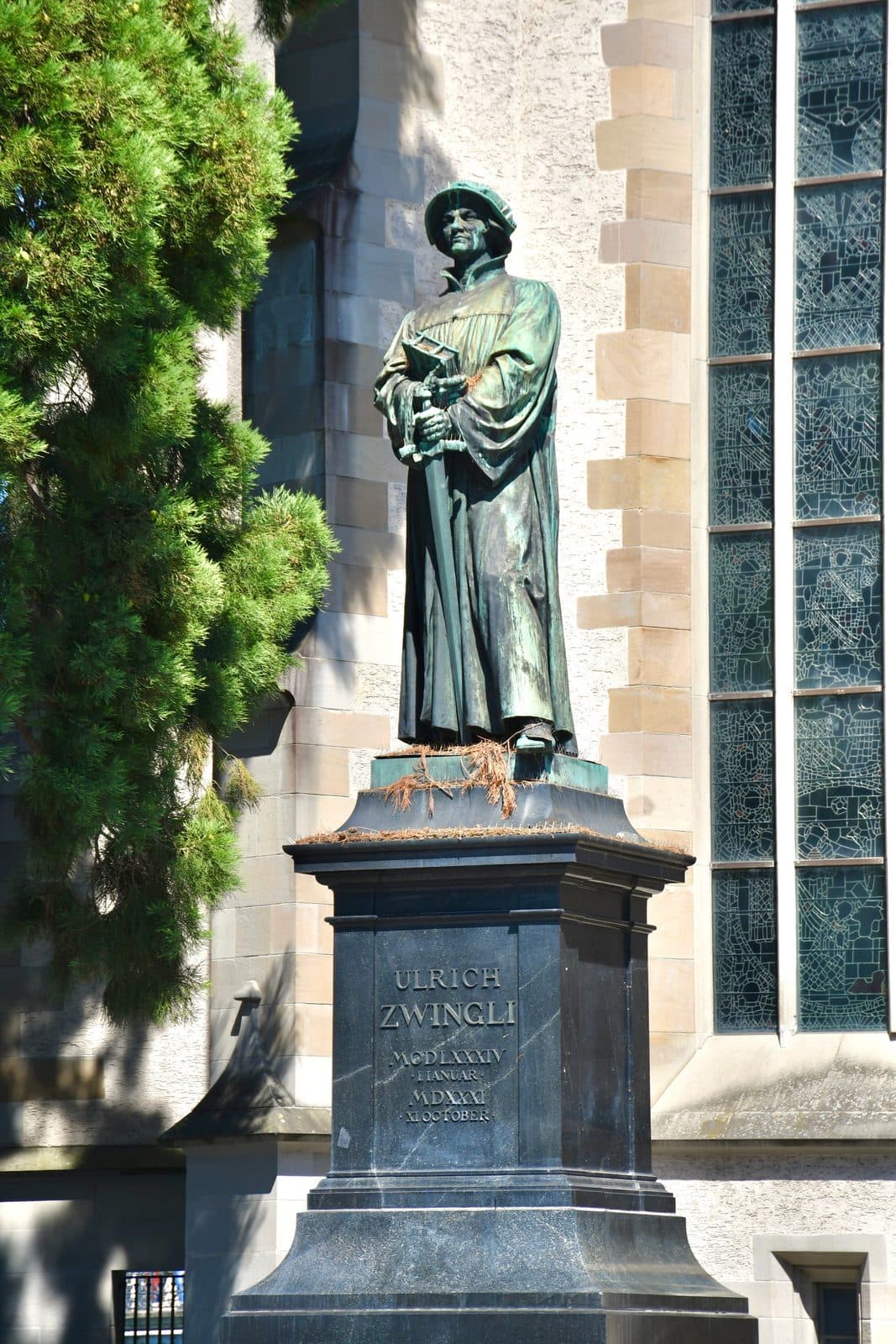
Zurich, Switzerland
1519Huldrych Zwingli began his ministry at the Grossmünster on 1 January by preaching through the Gospel of Matthew.
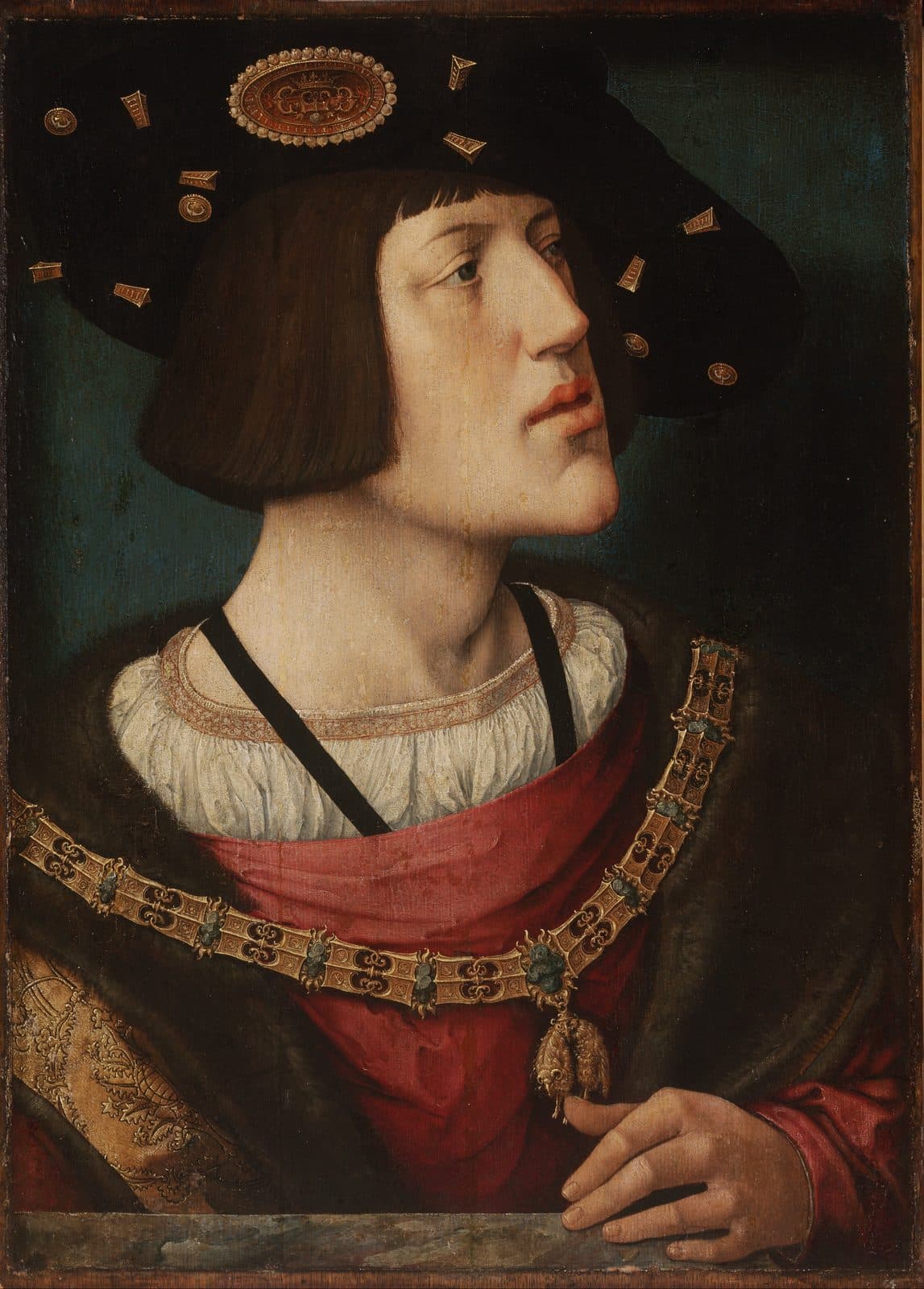
Frankfurt and Leipzig, Germany
1519The electors chose Charles of Habsburg as Emperor Charles V in June. In July, Luther debated Johann Eck at Leipzig and denied that popes and councils are free from error.
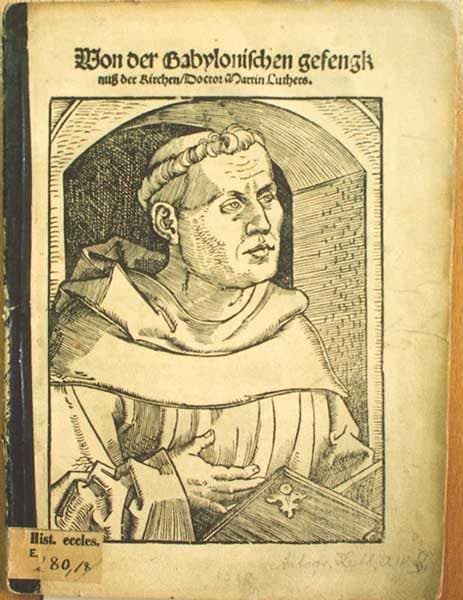
Wittenberg, Germany
1520Luther published three major treatises: To the Christian Nobility, The Babylonian Captivity of the Church, and The Freedom of a Christian. On 10 December he burned the papal bull that threatened him with excommunication.
Worms and Eisenach, Germany
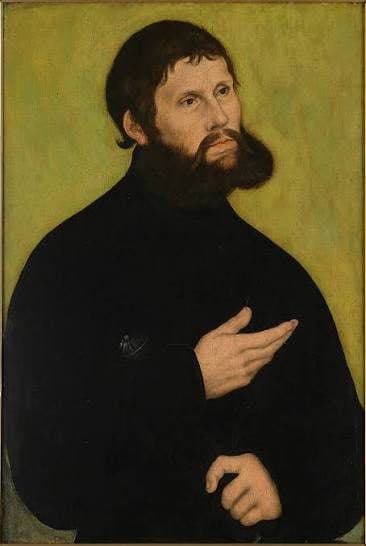
1521Luther appeared before Emperor Charles V at the Diet of Worms and refused to recant. He was declared an outlaw and was hidden at the Wartburg by Frederick the Wise.
Wittenberg, Germany
1521-1522While Luther was at the Wartburg, Andreas Karlstadt gave communion in both kinds and images were removed from the town church. Luther returned in March 1522 and preached eight sermons calling for slower change.
Wittenberg, Germany
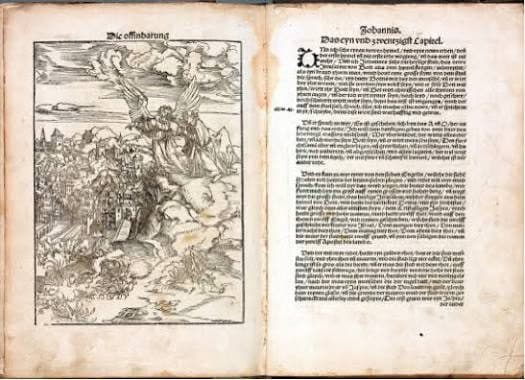
1522Luther's German translation of the New Testament, made at the Wartburg, was published in September.
Zurich, Switzerland
1522During Lent, a group in the house of the printer Christoph Froschauer ate sausages in defiance of the fast. Zwingli defended them in a sermon on Christian freedom.
Rome and Nuremberg, Italy and Germany
1522-1523Adrian VI, a Dutch reformer, instructed his legate to tell the Diet of Nuremberg that the troubles of the church had begun with the sins of the Roman curia. He died after twenty months in office.
Landstuhl, Germany
1522-1523Franz von Sickingen led a revolt of imperial knights against the archbishop of Trier, claiming to act for the gospel. The princes defeated him, and he died of wounds at his castle at Landstuhl in 1523.
Zurich, Switzerland
1523Zwingli defended his 67 Articles before the Zurich council in January. The council ruled that he should continue and that all preaching in the city must be based on Scripture.
Zurich, Switzerland
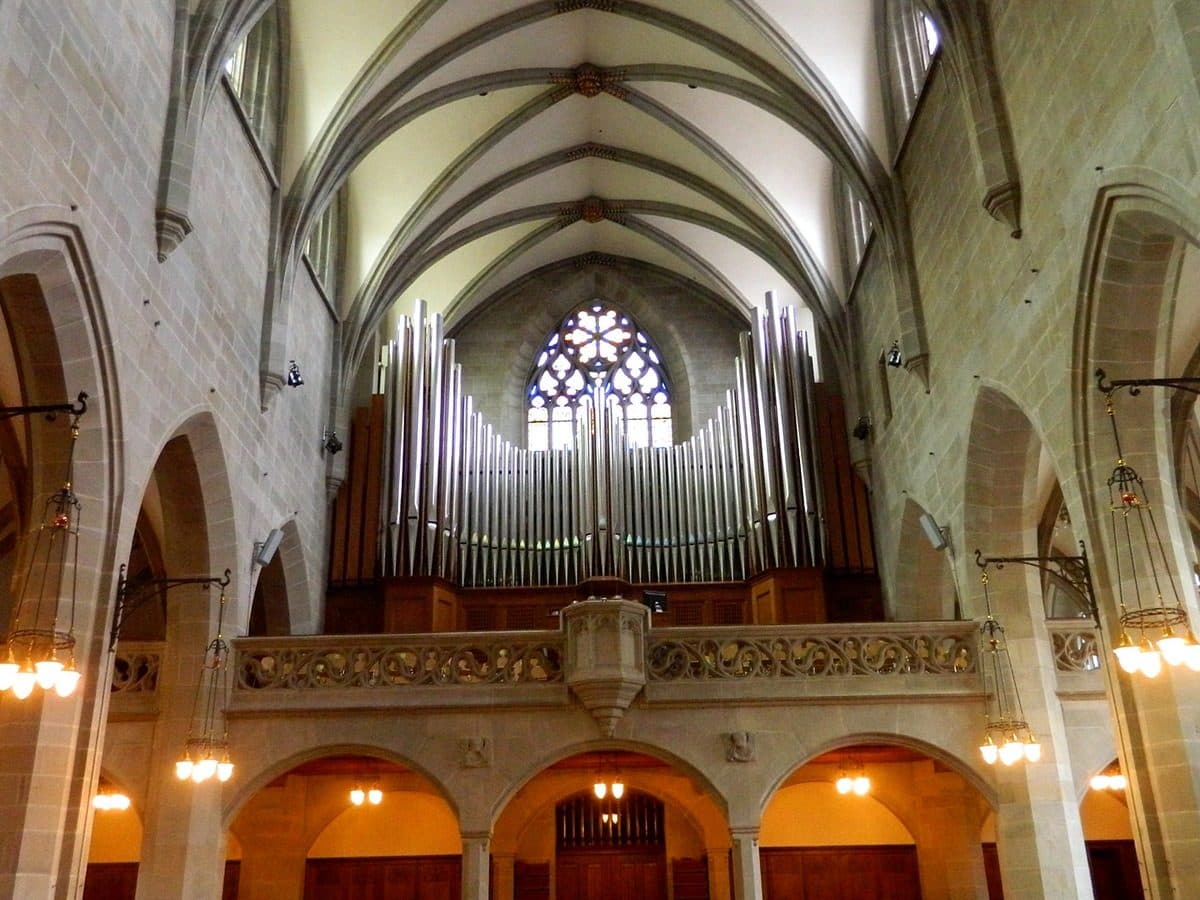
1524-1525The Zurich council ordered images removed from the city's churches in 1524. At Easter 1525 the Mass was replaced by a simple service of the Lord's Supper.
Rome, Italy
1524Gaetano of Thiene and Gian Pietro Carafa founded the Theatines, an order of priests committed to poverty and to reforming the clergy by example.
Zurich, Switzerland
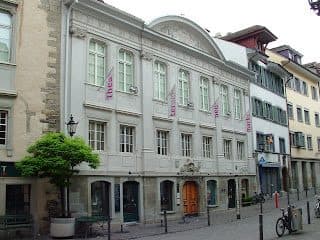
1524Conrad Grebel and his friends in Zurich wrote to Thomas Müntzer in September, setting out their views on baptism, the Lord's Supper, and the refusal of the sword. It is the earliest statement of what became Swiss Anabaptism.
Zurich, Switzerland
1524Katharina von Zimmern, the last abbess of the Fraumünster, gave the abbey and its property to the Zurich council.
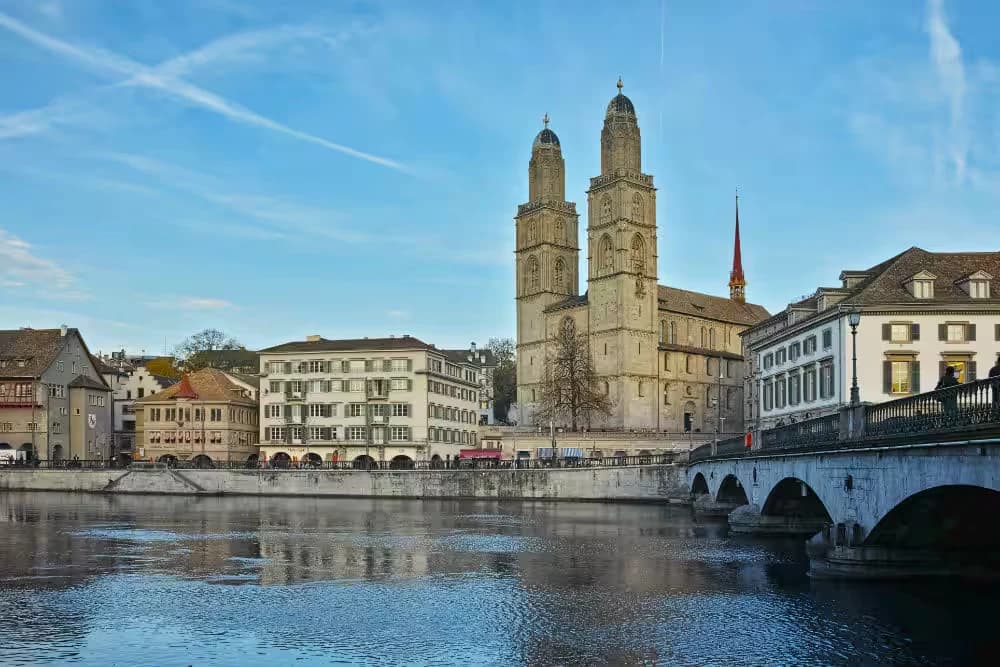
Zurich, Switzerland
1525On 21 January, Conrad Grebel baptized George Blaurock in Zurich, and Blaurock baptized others present. The council had ordered all infants baptized days earlier.
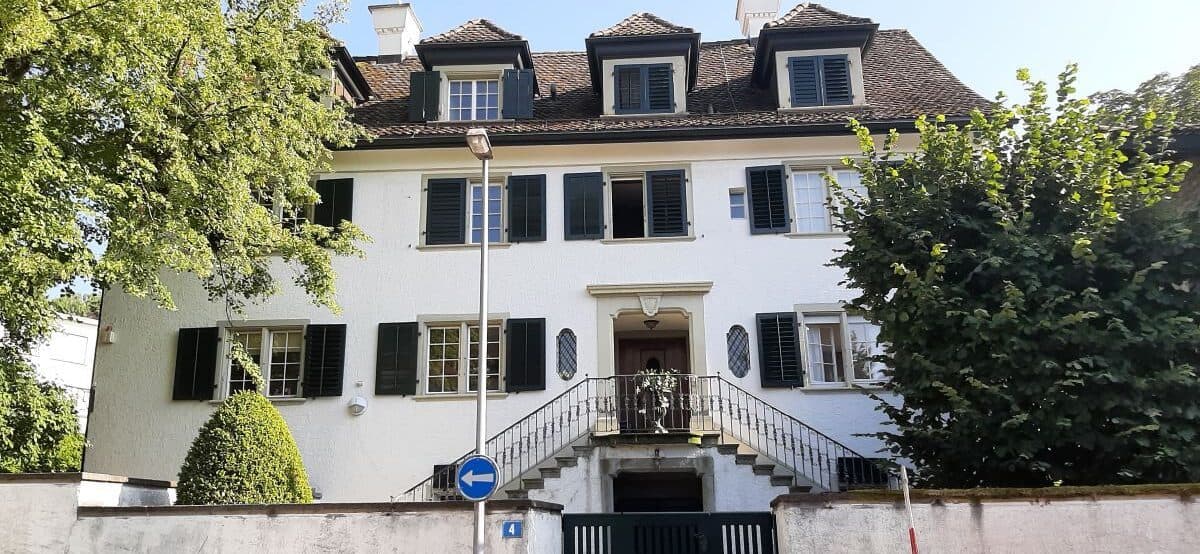
Zollikon, Switzerland
1525In the days after the first baptisms, villagers in Zollikon, near Zurich, were baptized and shared the Lord's Supper in their homes. The Zurich council arrested them within weeks.
Pavia, Italy
1525Charles V's army defeated the French at Pavia and captured King Francis I. The wars between the Habsburgs and France kept the emperor out of Germany from 1521 to 1530.
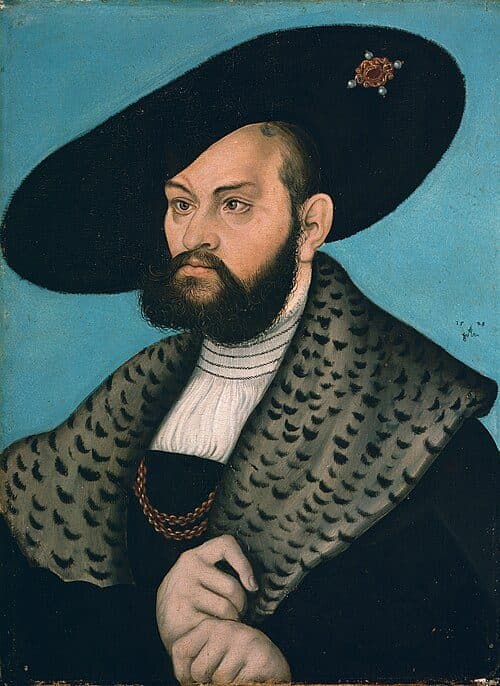
Königsberg (Kaliningrad), Russia
1525Albert of Brandenburg, grand master of the Teutonic Knights, ended the order's rule in Prussia and became its duke. Prussia was the first territory to adopt the Lutheran Reformation officially.
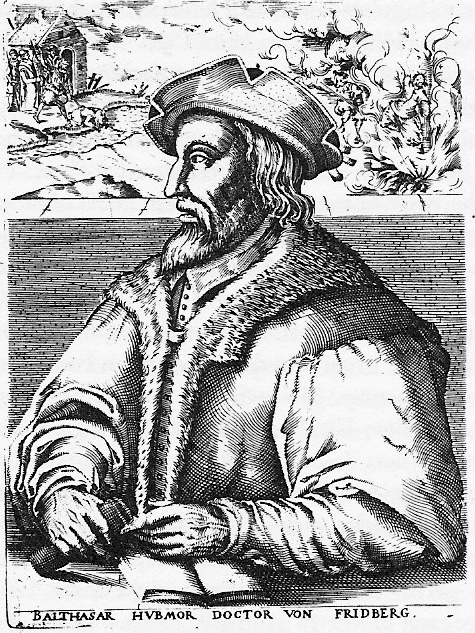
Waldshut, Germany
1525At Easter, Balthasar Hubmaier, the town's priest and a doctor of theology, was baptized with about sixty others, and he then baptized some three hundred of his parishioners. He published a defense of believers' baptism that summer.
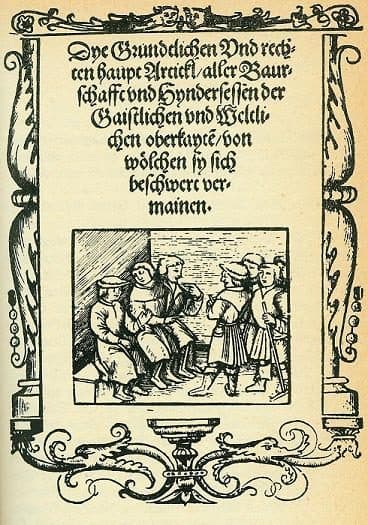
Memmingen and Frankenhausen, Germany
1525Peasants across southern and central Germany rose in revolt and set out their demands in the Twelve Articles. The princes crushed the revolt, and the preacher Thomas Müntzer was executed after the battle of Frankenhausen.
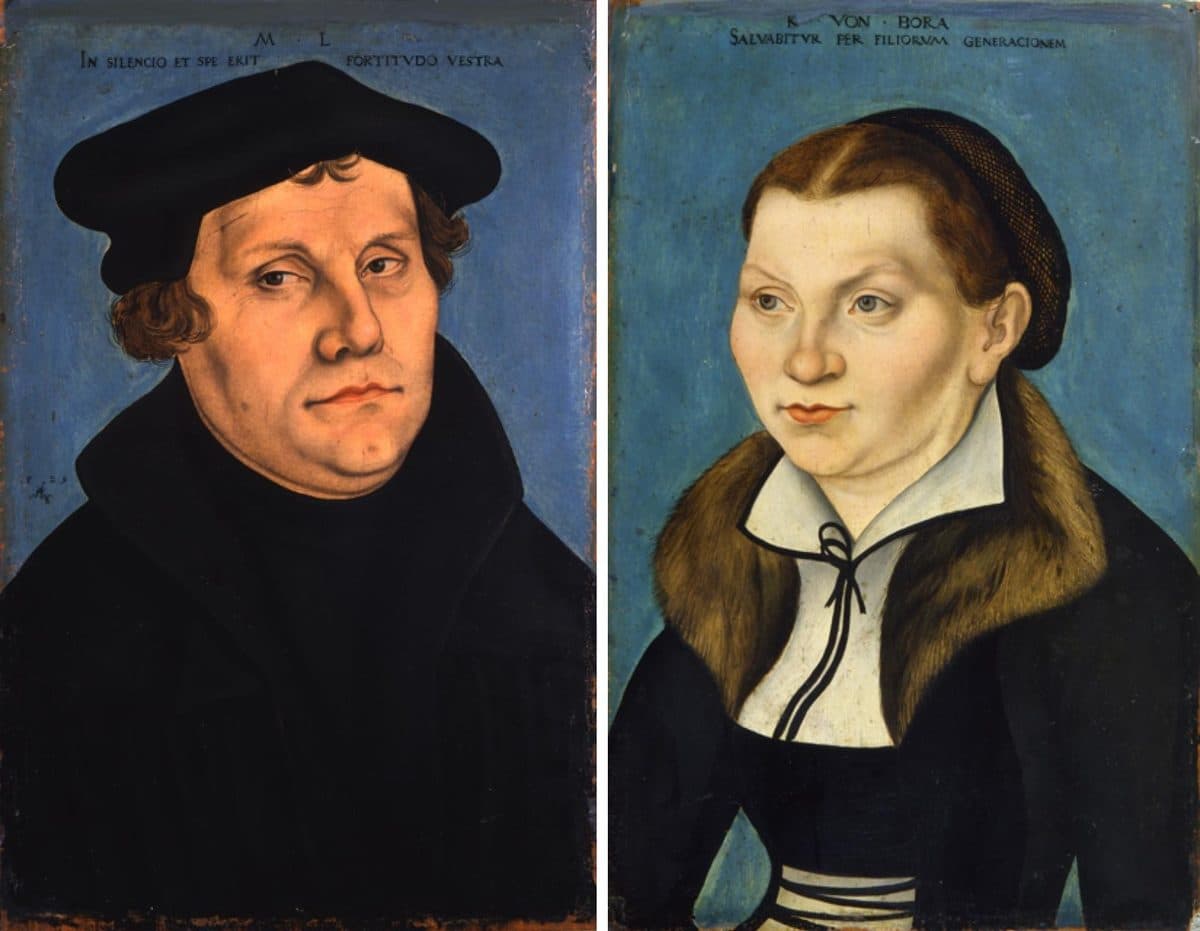
Wittenberg, Germany
1525Luther married Katharina von Bora, a former nun, on 13 June.
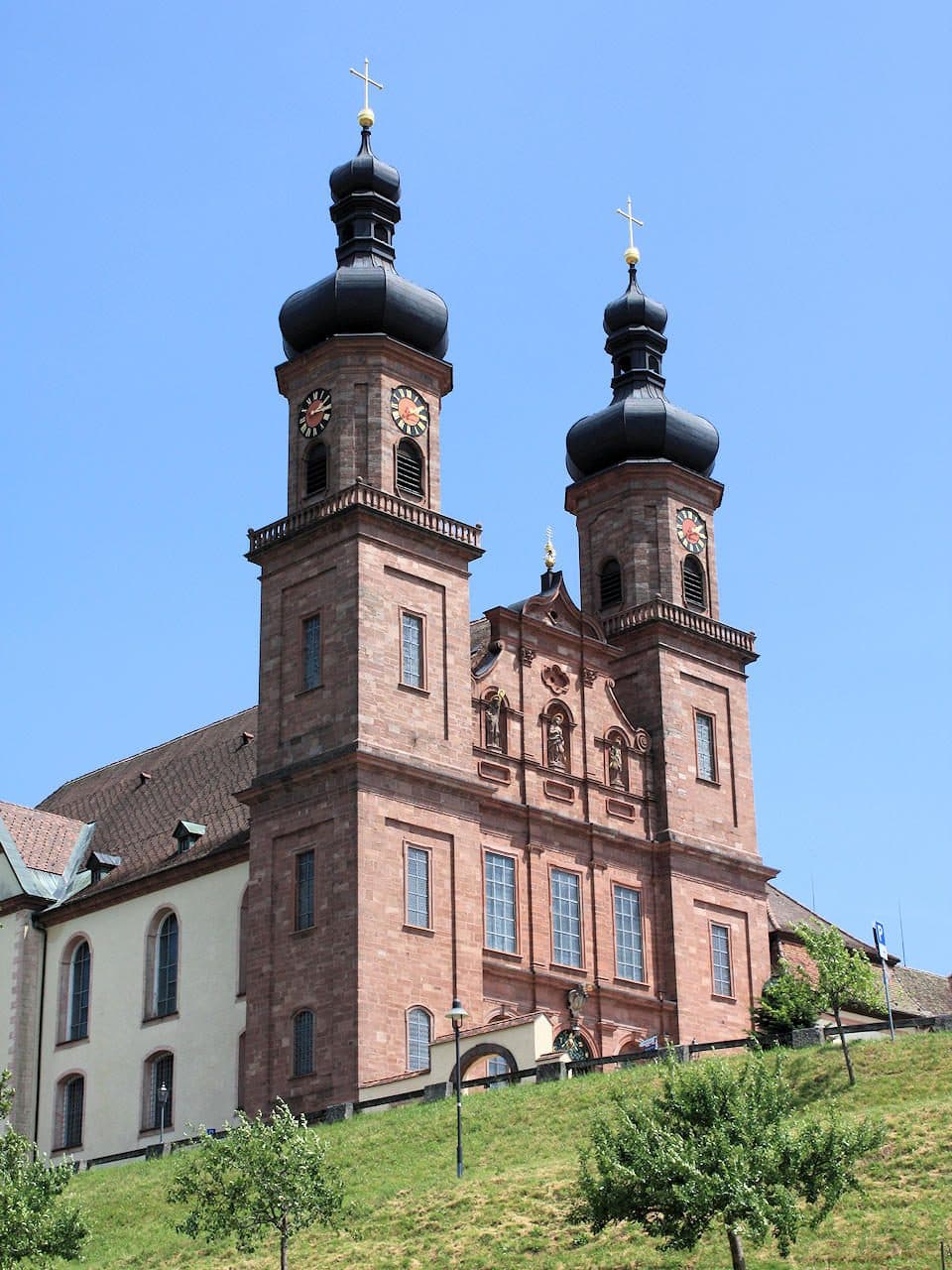
St. Peter in the Black Forest and Zurich, Germany and Switzerland
1525Michael Sattler, prior of the Benedictine monastery of St. Peter in the Black Forest, left the monastery and married Margaretha, a former Beguine. He came to Zurich, joined the Anabaptists, and was expelled from the city in November 1525 after the third disputation on baptism.
Speyer, Germany
1526The Diet of Speyer agreed that, until a council met, each ruler should act in religious matters as he could answer for to God and the emperor.
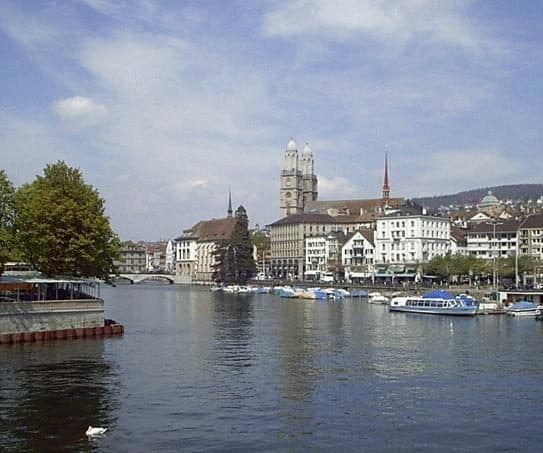
Zurich, Switzerland
1526On 7 March the Zurich council decreed death by drowning for anyone who baptized adults. Conrad Grebel died of plague that summer.
Worms, Germany
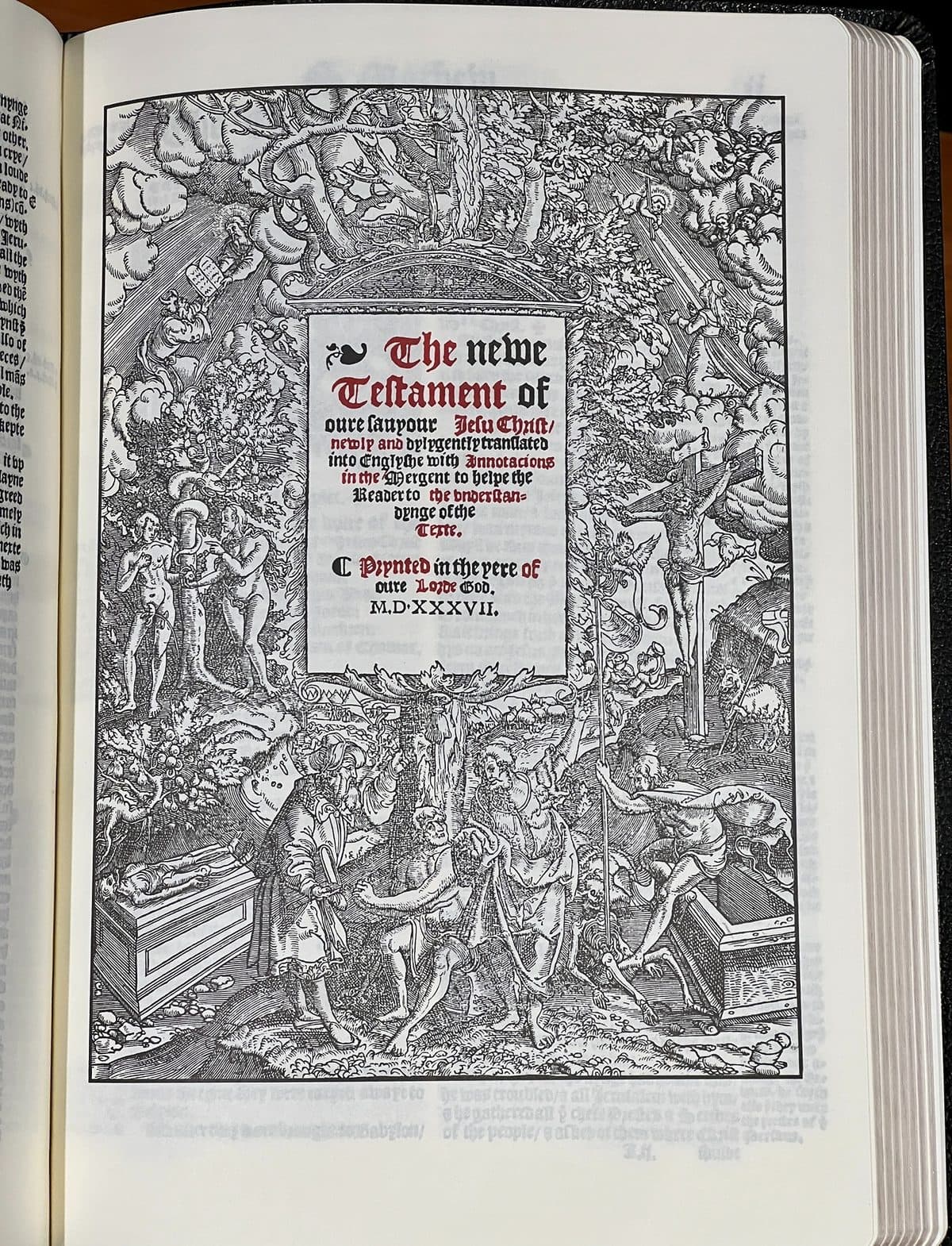
1526William Tyndale's English translation of the New Testament was printed at Worms and smuggled into England.
Mohács and Vienna, Hungary and Austria
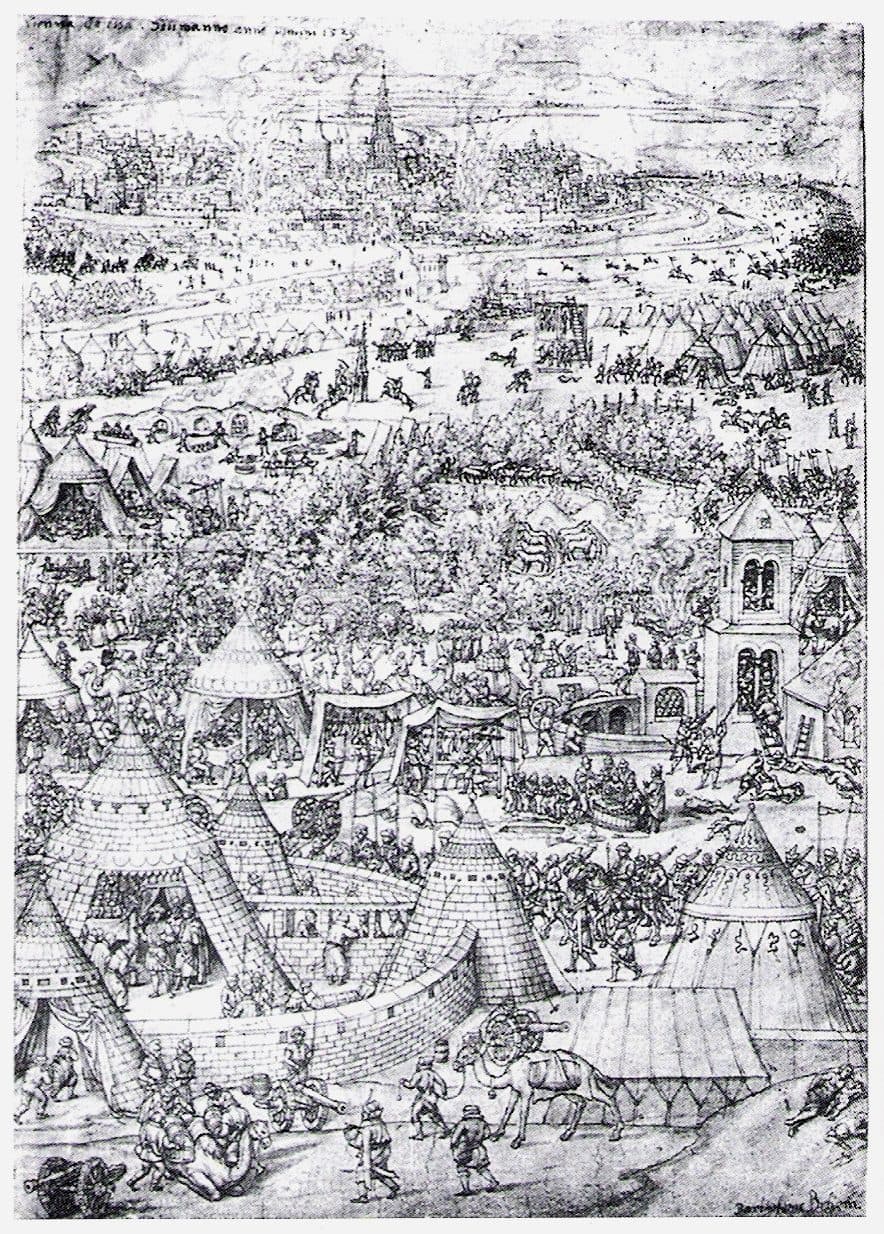
1526-1529The Ottomans under Sultan Suleiman defeated and killed King Louis II of Hungary at Mohács in 1526 and besieged Vienna in 1529. Charles V and his brother Ferdinand repeatedly sought military aid from the Protestant princes against them.
Strasbourg, France
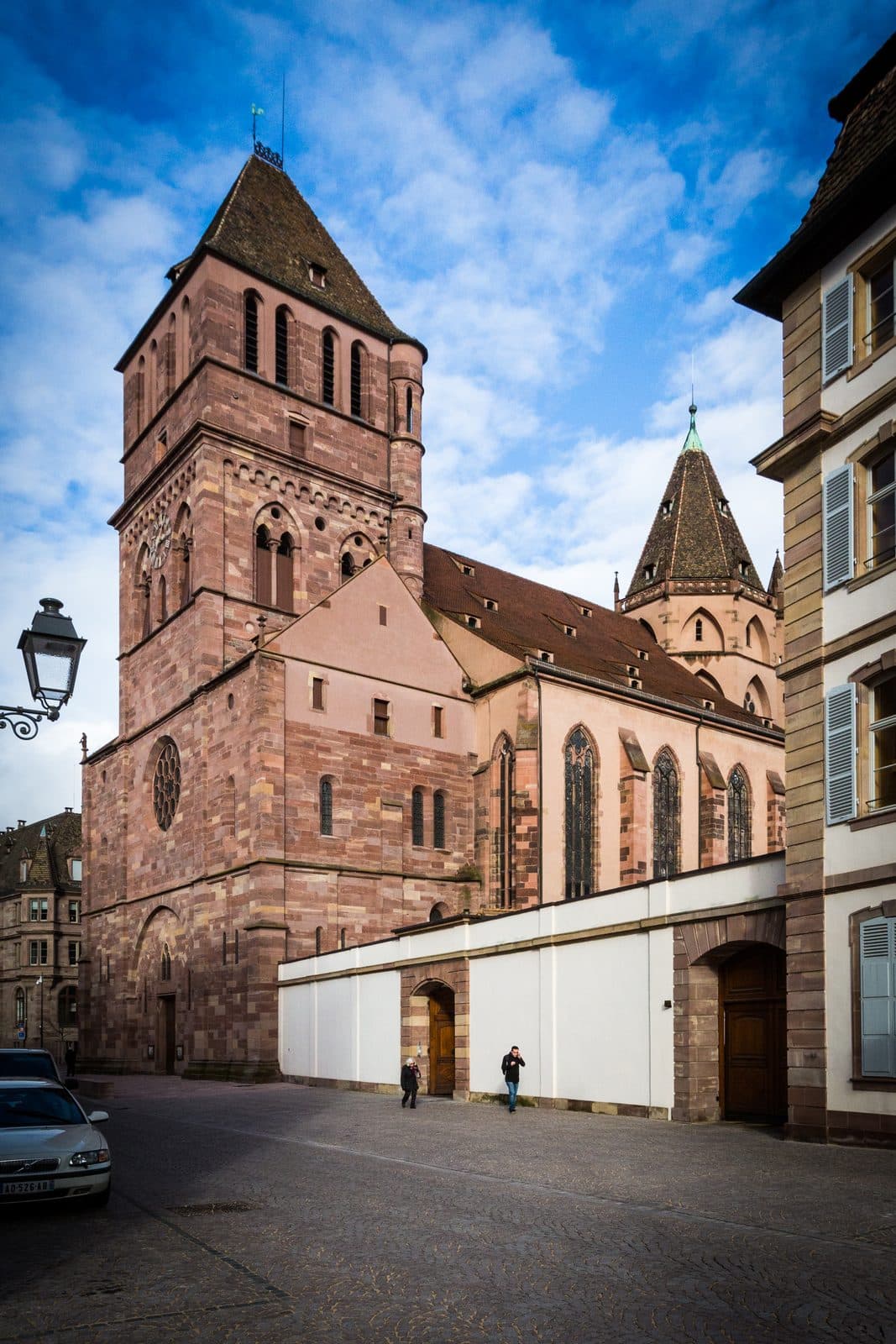
1526Sattler spent part of late 1526 in Strasbourg, where he discussed baptism and the church with the reformers Martin Bucer and Wolfgang Capito. They did not agree, and he left with a letter setting out where he differed.
Zurich, Switzerland
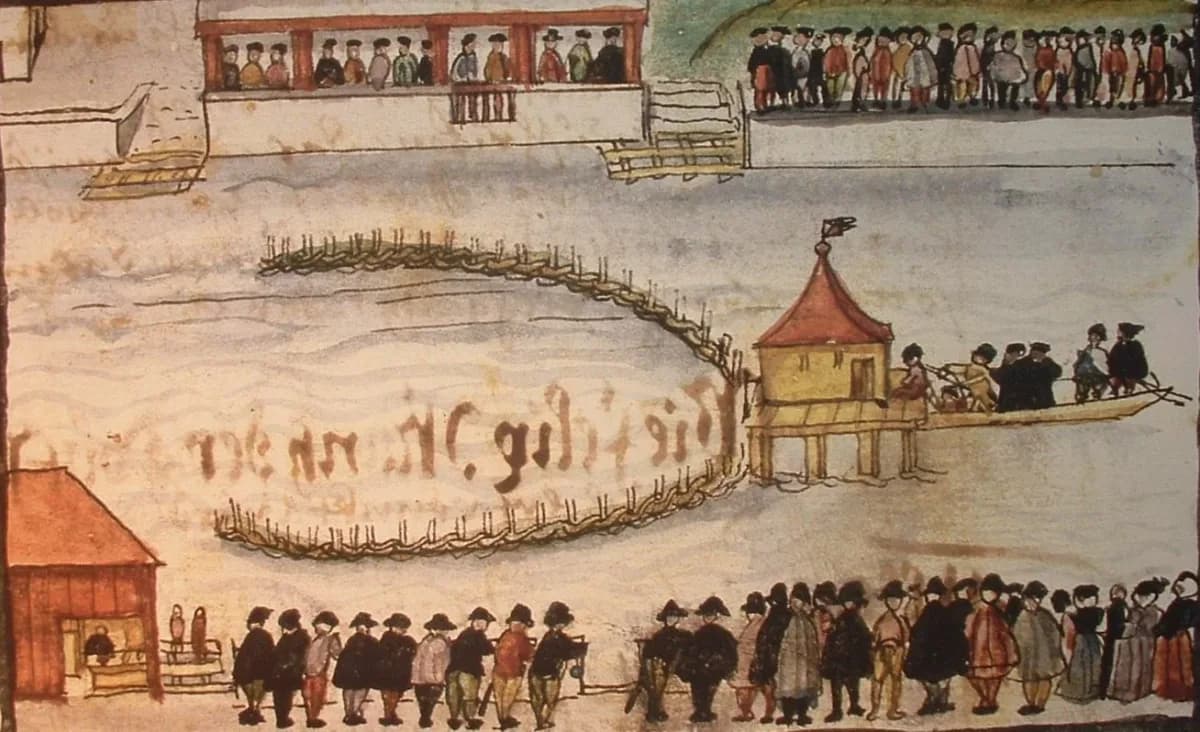
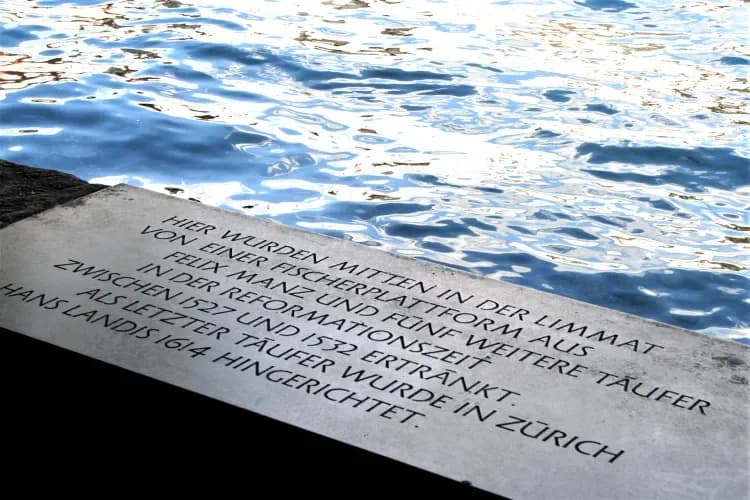
1527Felix Manz was drowned in the Limmat on 5 January by order of the Zurich council for rebaptizing. He was the first Anabaptist executed by a Protestant government.
Schleitheim, Switzerland
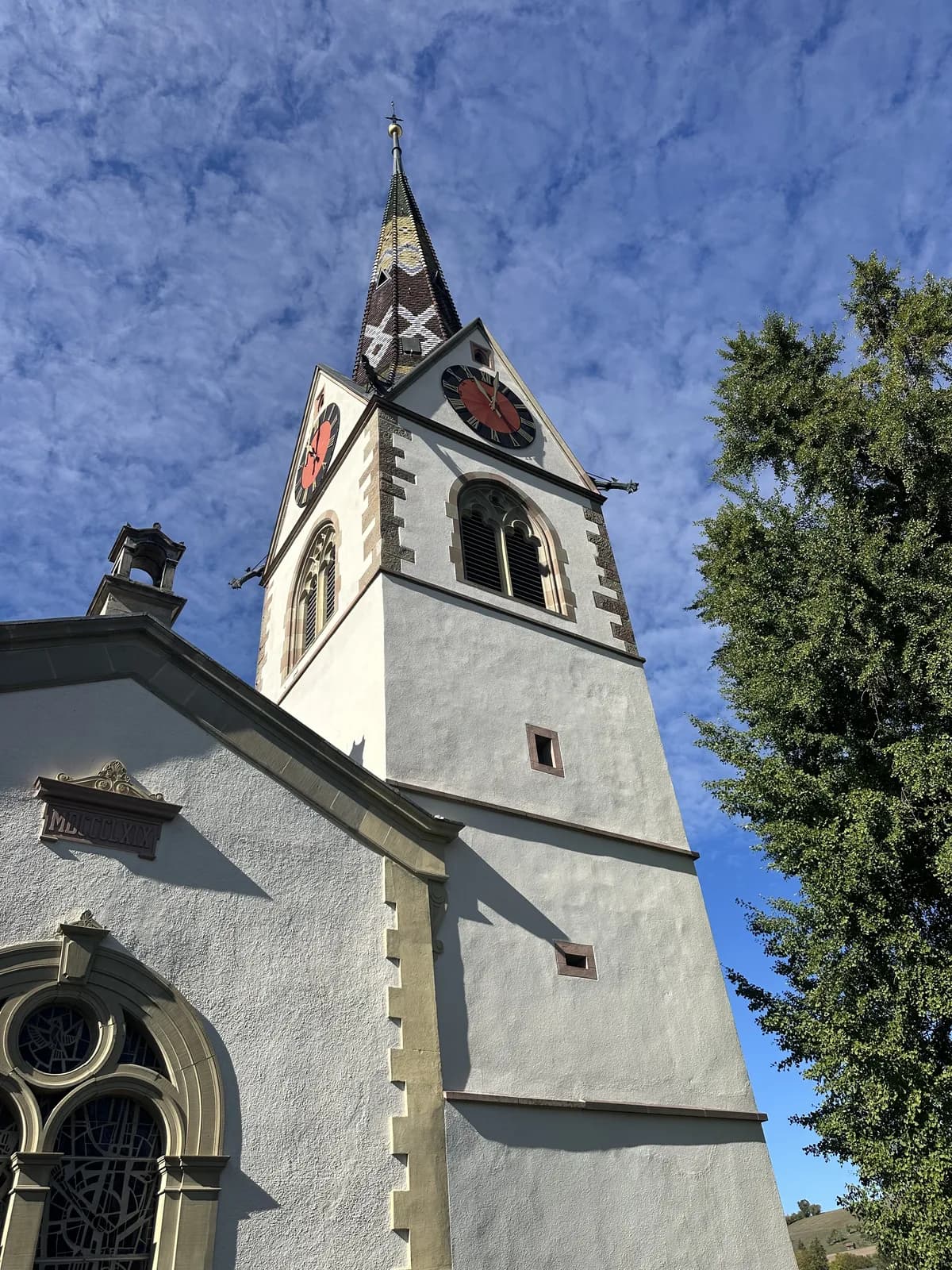
1527On 24 February, Swiss and South German Anabaptists met at Schleitheim, near Schaffhausen, and adopted the Brotherly Union, seven articles drafted by Michael Sattler. The articles call for the baptism of believers only, the exclusion of unrepentant members, a Lord's Supper shared only by the baptized, separation from the world, pastors chosen and supported by the congregation, refusal to bear the sword or hold office, and refusal to swear oaths. The text circulated quickly in manuscript and was soon printed.
Rottenburg am Neckar, Germany
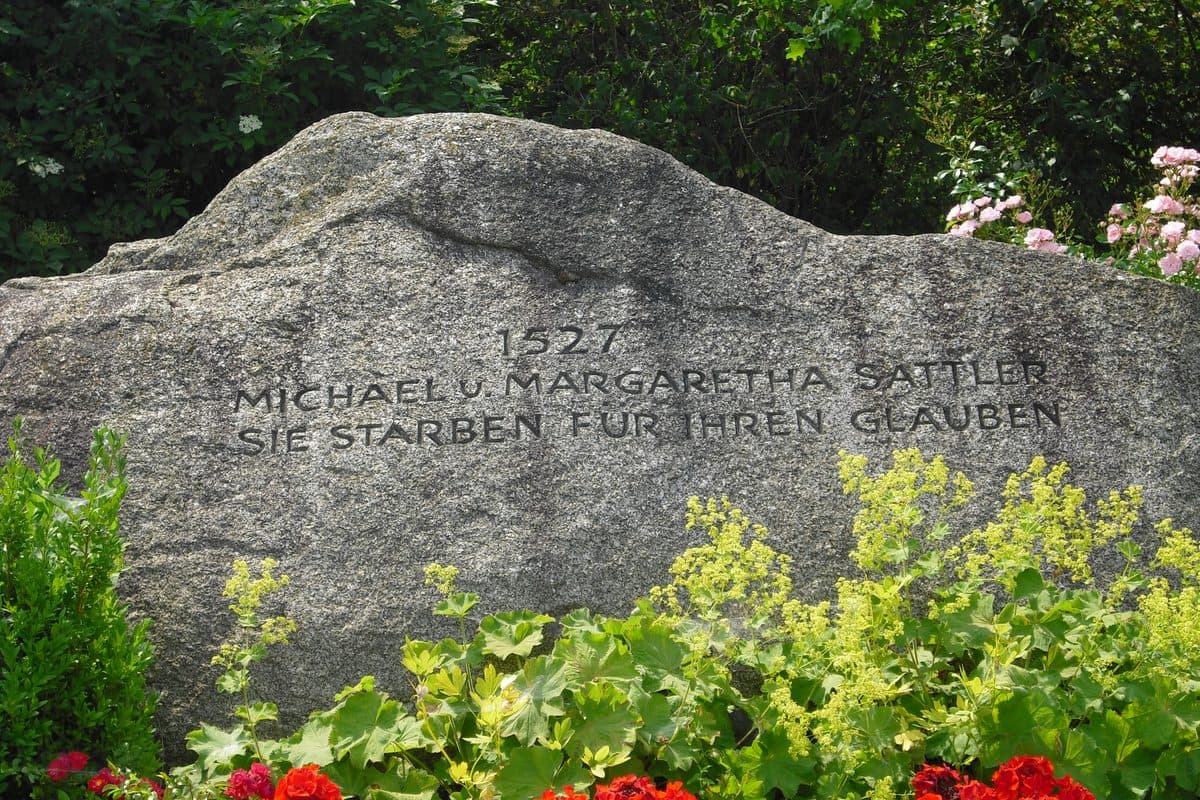
1527Sattler was arrested at Horb soon after the Schleitheim meeting and tried at Rottenburg on 17-18 May on nine charges, among them that he had said he would not fight the Turks. He was tortured and burned on 20 May. His wife, Margaretha, refused to recant and was drowned in the Neckar two days later.
Rome, Italy
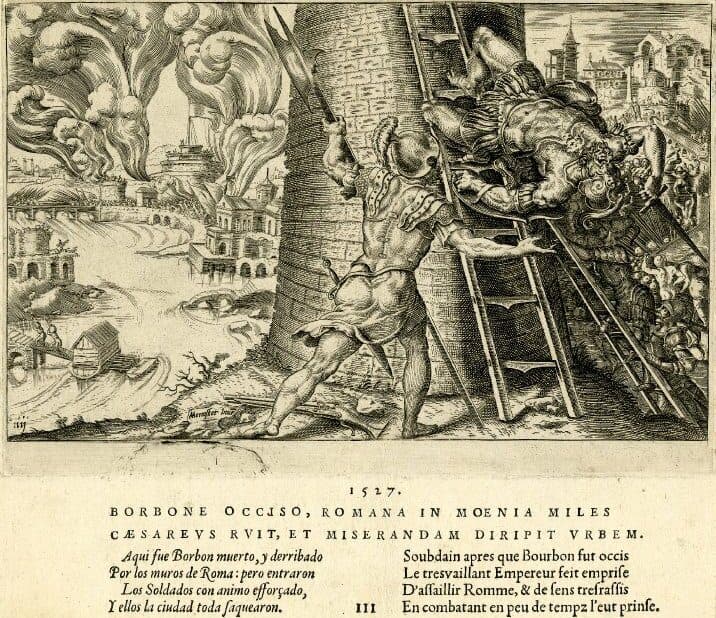
1527Unpaid troops of Emperor Charles V stormed and plundered Rome. Pope Clement VII took refuge in the Castel Sant'Angelo.
Zurich, Switzerland
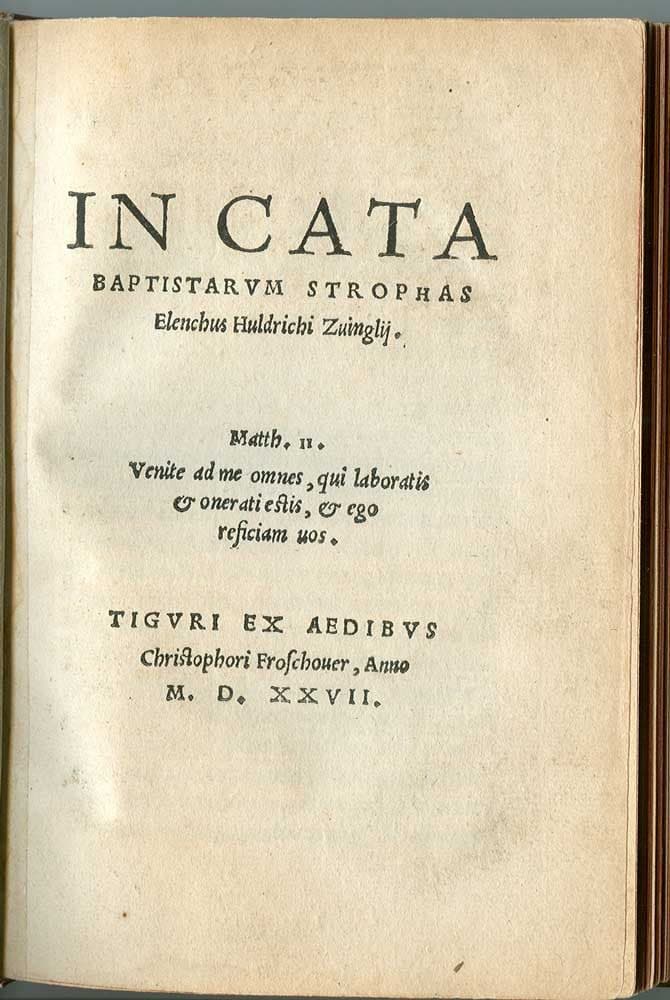
1527Zwingli published a refutation of the Anabaptists that translated the seven articles into Latin and argued against each. Calvin wrote his own reply to them in 1544.
Augsburg, Germany
1527About sixty Anabaptist leaders from South Germany, Switzerland, and Austria met in Augsburg in August. Most of them were executed within a few years, which gave the meeting its name.
Bern, Switzerland
1528After a three-week disputation, the council of Bern adopted the Reformation. The monastery at Interlaken was dissolved, and Bern put down a revolt in the Bernese Oberland that autumn.
Vienna, Austria
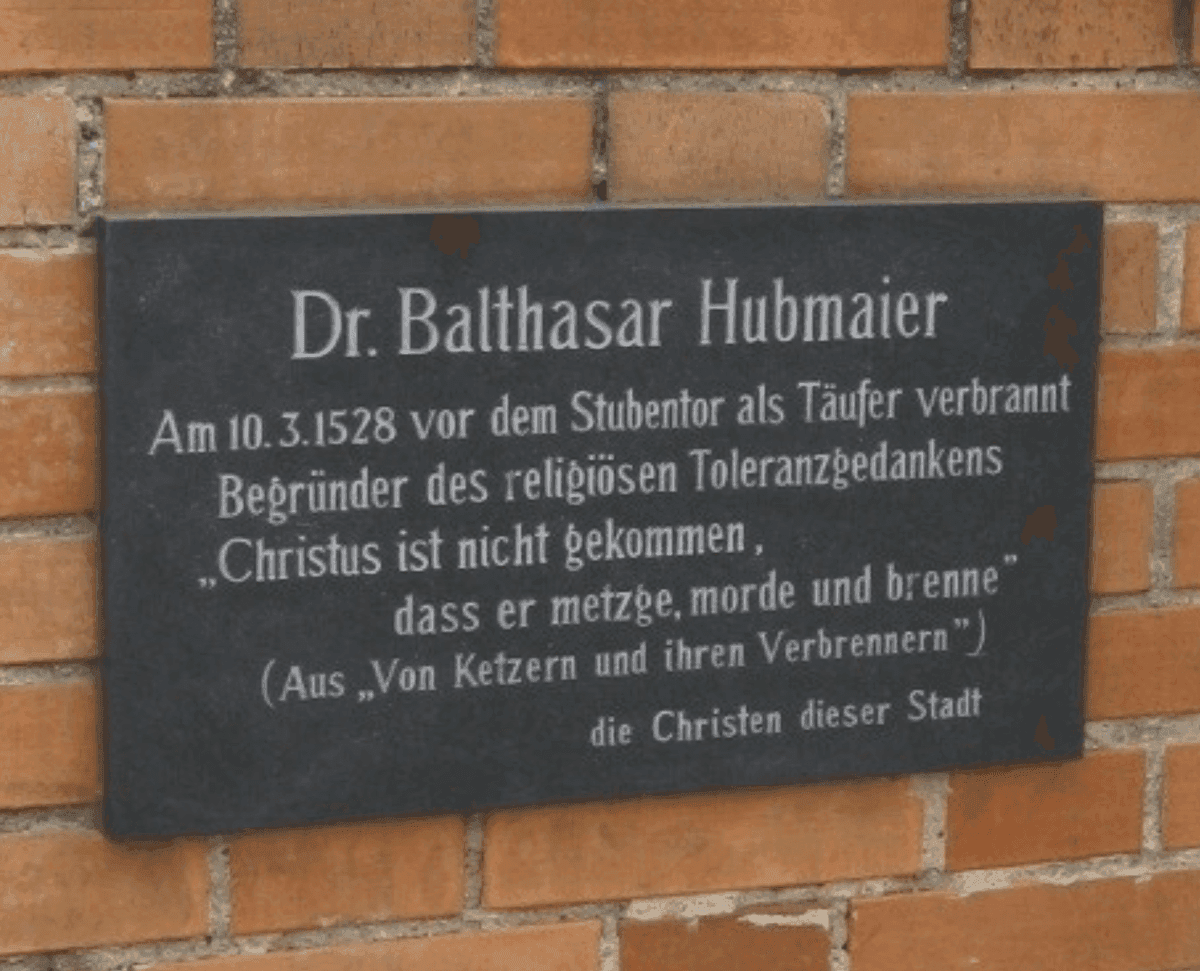
1528Balthasar Hubmaier, who had led a large Anabaptist congregation at Nikolsburg in Moravia, was burned in Vienna on 10 March. His wife, Elsbeth, was drowned in the Danube three days later.
Austerlitz (Slavkov) and Innsbruck, Czech Republic and Austria
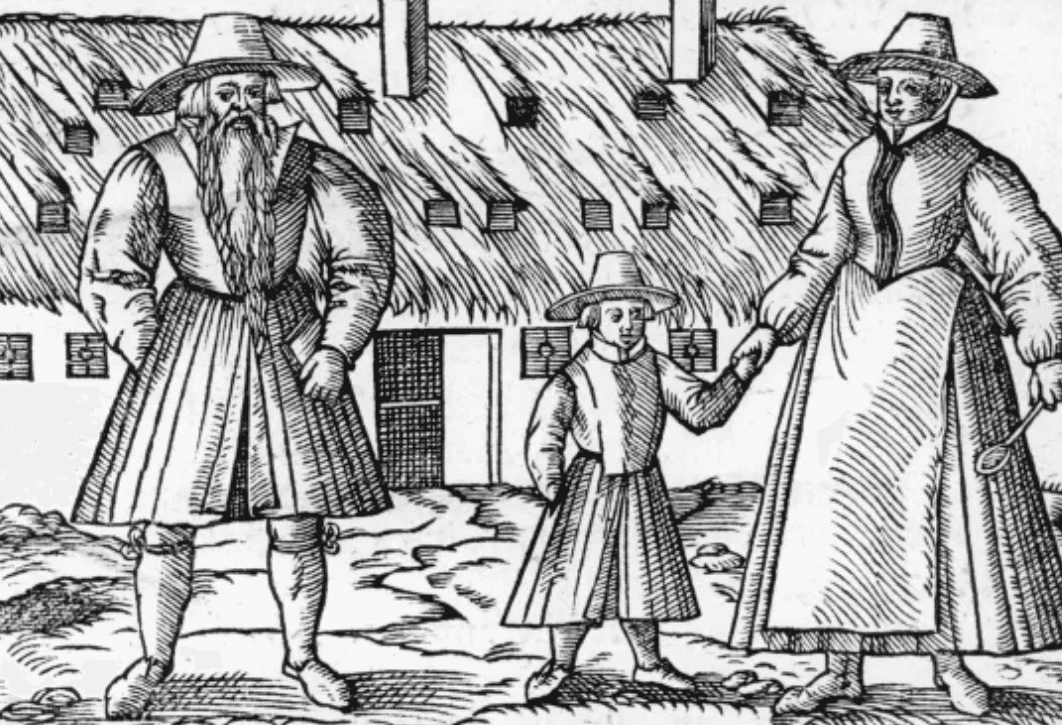
1528-1536Anabaptist refugees in Moravia began holding their goods in common in 1528. Jakob Hutter organized the communities from 1533 and was burned at Innsbruck in 1536. His followers became known as Hutterites.
Rome, Italy
1528Pope Clement VII approved the Capuchins, a branch of the Franciscans that returned to strict poverty and popular preaching.
Basel, Switzerland
1529After crowds destroyed images in its churches, the council of Basel abolished the Mass. Erasmus left the city.
Wittenberg, Germany
1529Luther published the Small Catechism and the Large Catechism to teach the faith in homes and parishes.
Speyer, Germany
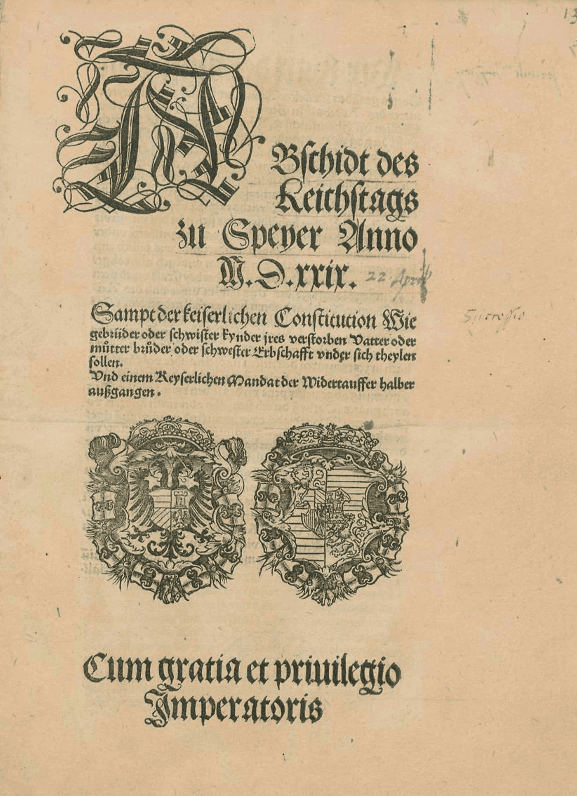
1529The Diet of Speyer decreed death for all Anabaptists throughout the Empire. Catholic and Lutheran rulers alike supported the law.
Kappel am Albis, Switzerland
1529Zurich and the Catholic cantons mobilized against each other at Kappel, but a peace was negotiated before any battle was fought.
Speyer and Marburg, Germany
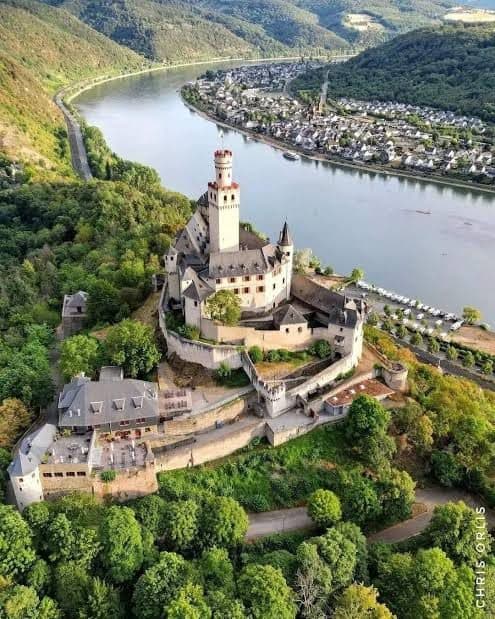
1529At the Diet of Speyer, evangelical princes and cities protested a decision to enforce the Edict of Worms. In October, Luther and Zwingli met at Marburg and agreed on fourteen articles but not on the Lord's Supper.
Klausen (Chiusa), Italy
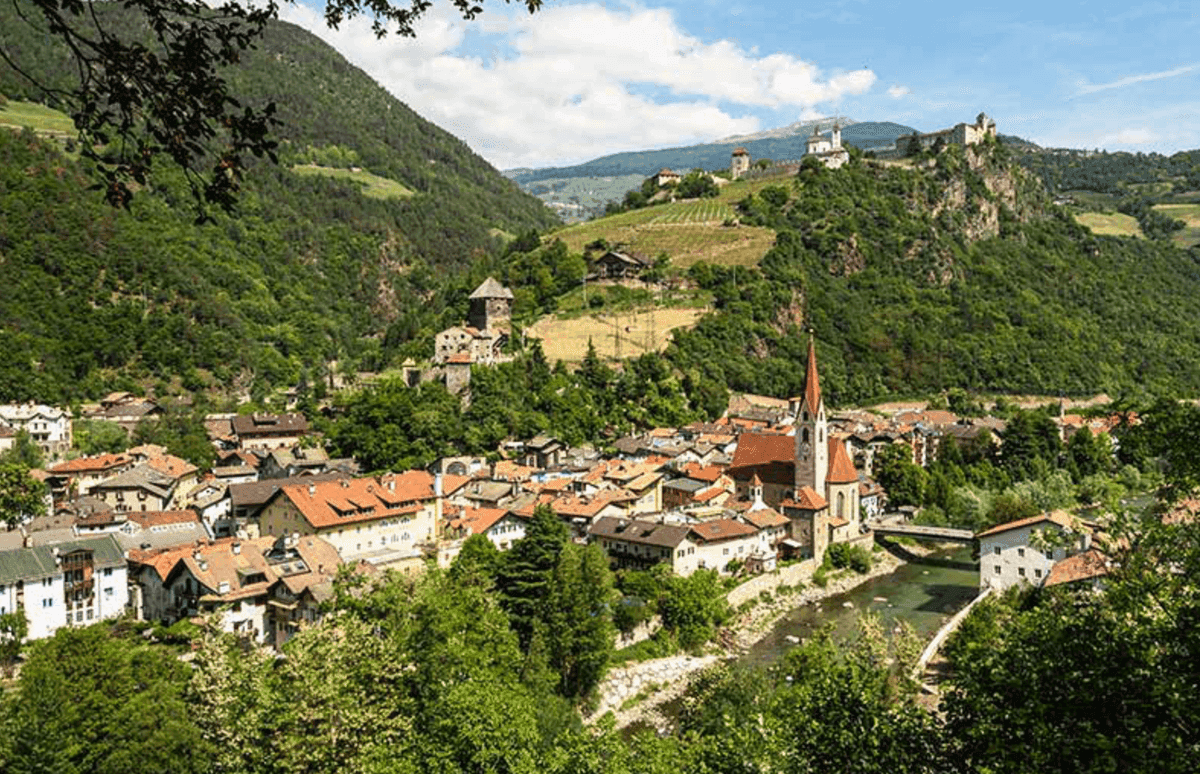
1529George Blaurock, the first person baptized in Zurich in 1525, was burned at Klausen in the Tyrol on 6 September after preaching across the region.
Bologna, Italy
1530Pope Clement VII crowned Charles V emperor at Bologna, the last time a pope crowned an emperor. Charles then returned to Germany for the Diet of Augsburg.
Augsburg, Germany
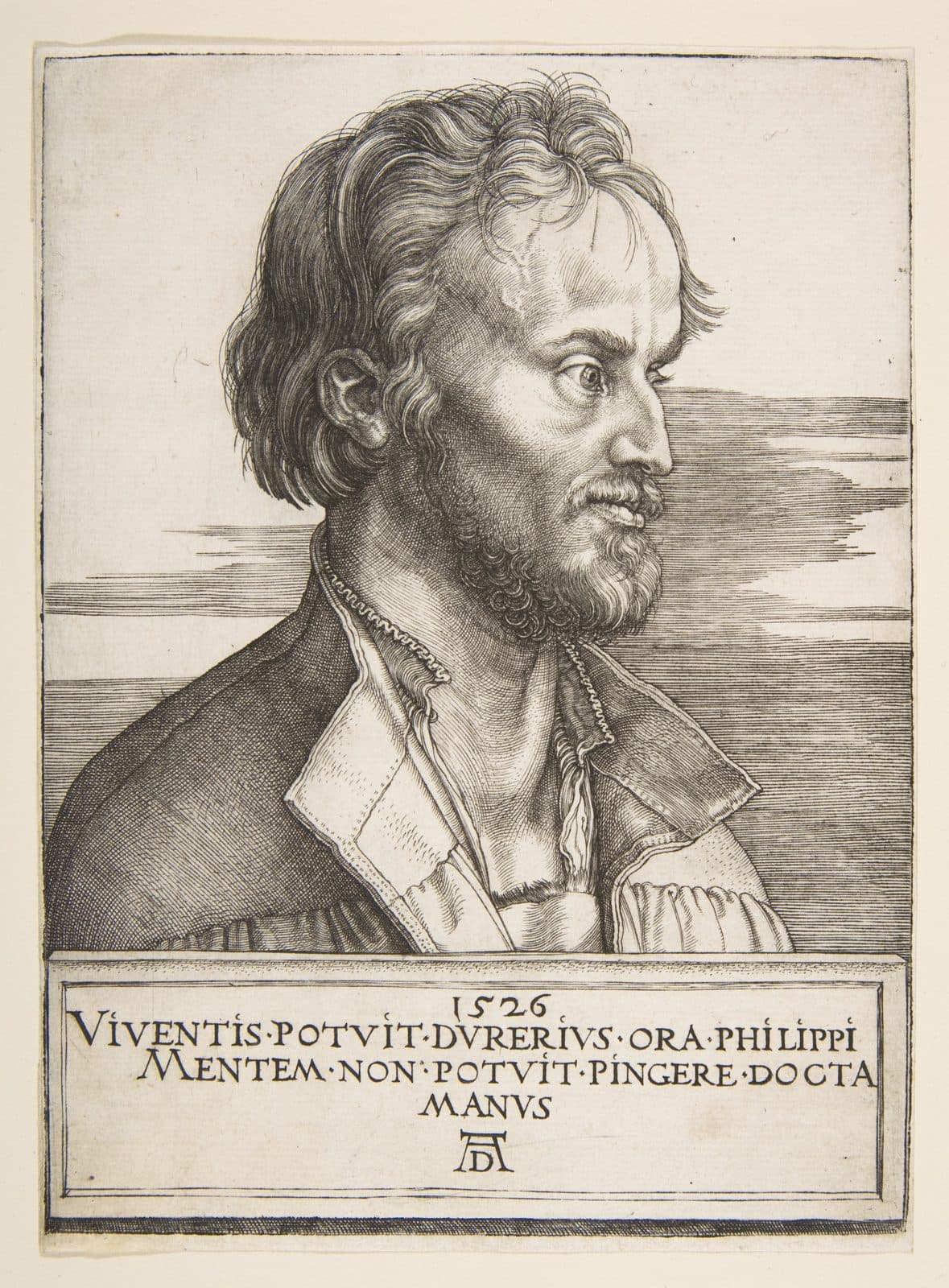
1530The Augsburg Confession, written by Philip Melanchthon, was read before Emperor Charles V on 25 June. Luther, still an outlaw, followed the diet from Coburg Castle.
Schmalkalden, Germany
1531Lutheran princes and cities formed a defensive alliance at Schmalkalden. Luther wrote the Schmalkald Articles for the league in 1537.
Zurich, Switzerland
1531Christoph Froschauer printed a complete German Bible translated by Zwingli and his colleagues. The work grew out of the daily Bible study held at the Grossmünster from 1525.
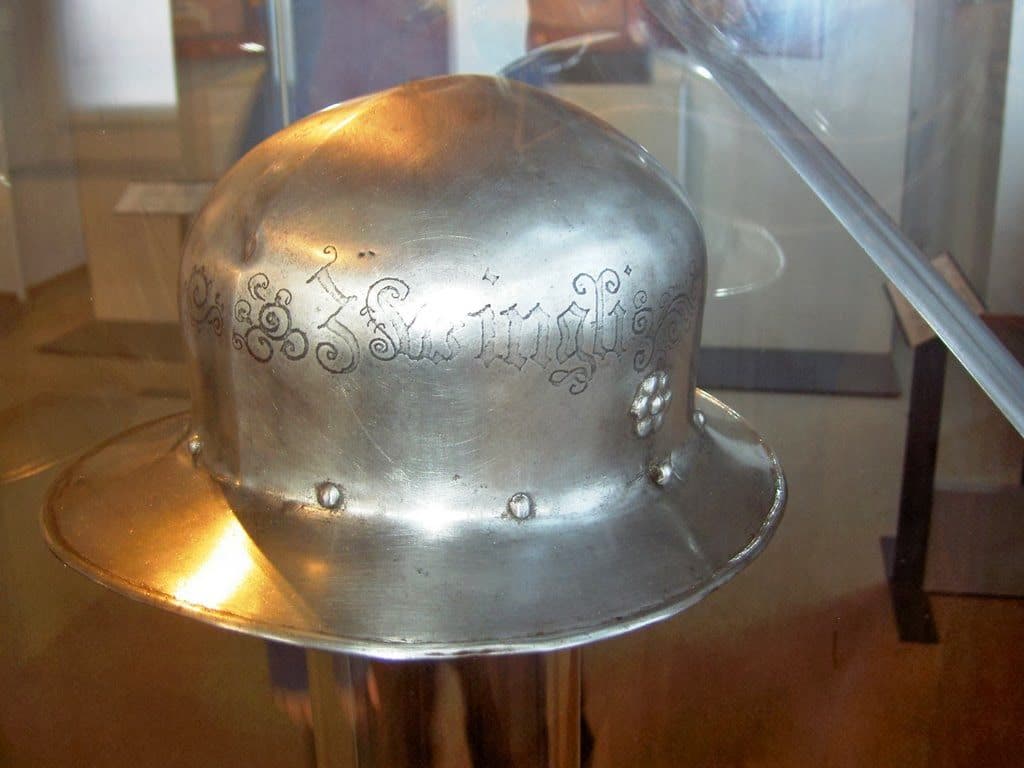
Kappel am Albis, Switzerland
1531Forces of the Catholic cantons defeated Zurich at Kappel on 11 October. Zwingli was killed, and Heinrich Bullinger succeeded him.
Chanforan, Italy
1532At a synod in the Alpine valleys of Piedmont, the Waldensians voted to join the Reformed churches.
Nuremberg, Germany
1532With the Ottomans advancing again, Charles V agreed at Nuremberg to suspend legal proceedings against the Protestants until a council met.
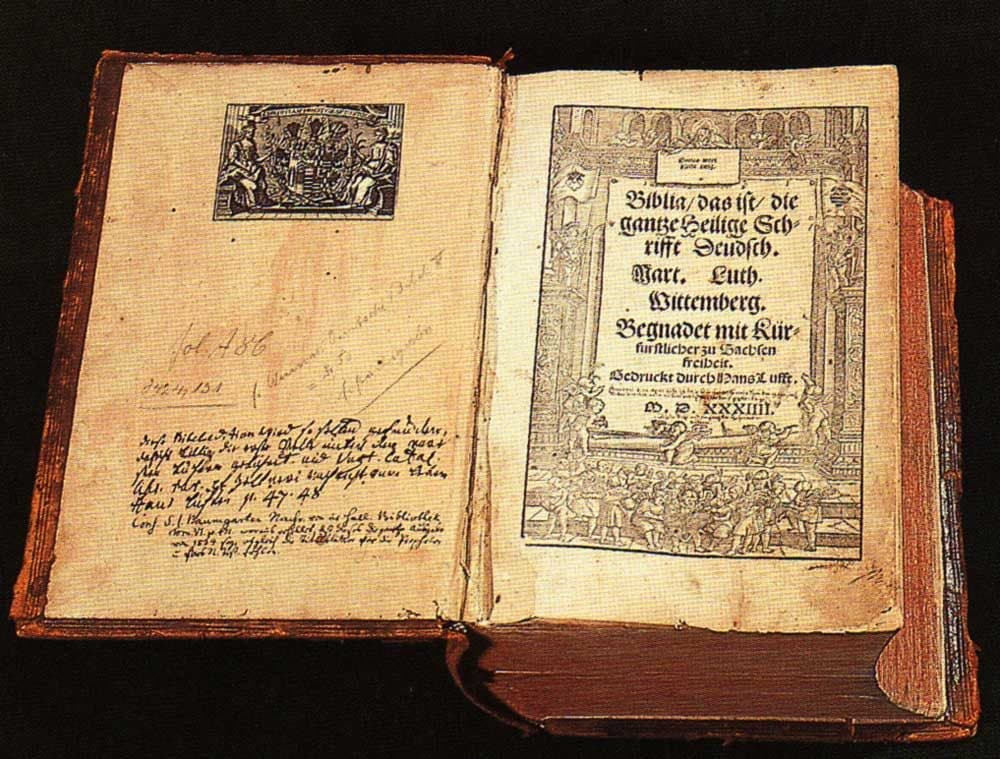
Wittenberg, Germany
1534Luther and his colleagues published their complete German translation of the Bible.
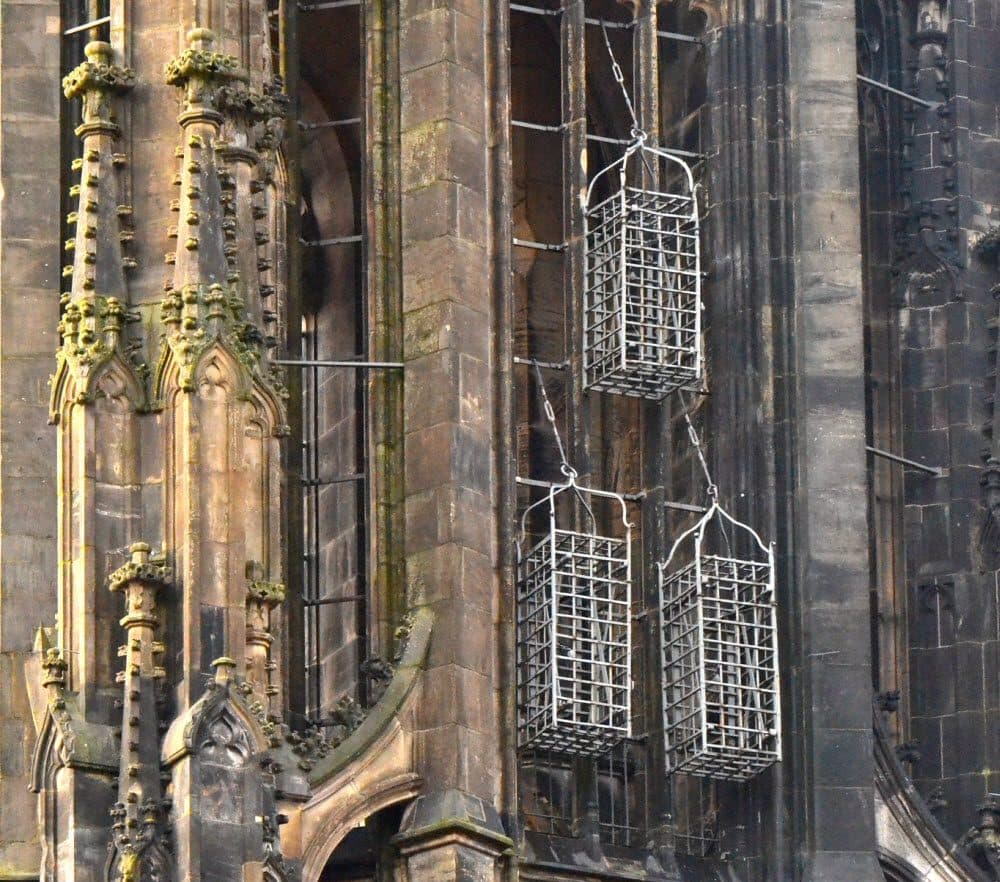
Münster, Germany
1534-1535Anabaptists took control of Münster and declared it the New Jerusalem. The city fell to the prince-bishop's army in June 1535, and its leaders were executed.
Rome, Italy
1534Alessandro Farnese became Pope Paul III. He appointed reformers as cardinals, among them Gasparo Contarini, Reginald Pole, and Gian Pietro Carafa.
London, England
1534Parliament declared King Henry VIII supreme head of the Church of England.
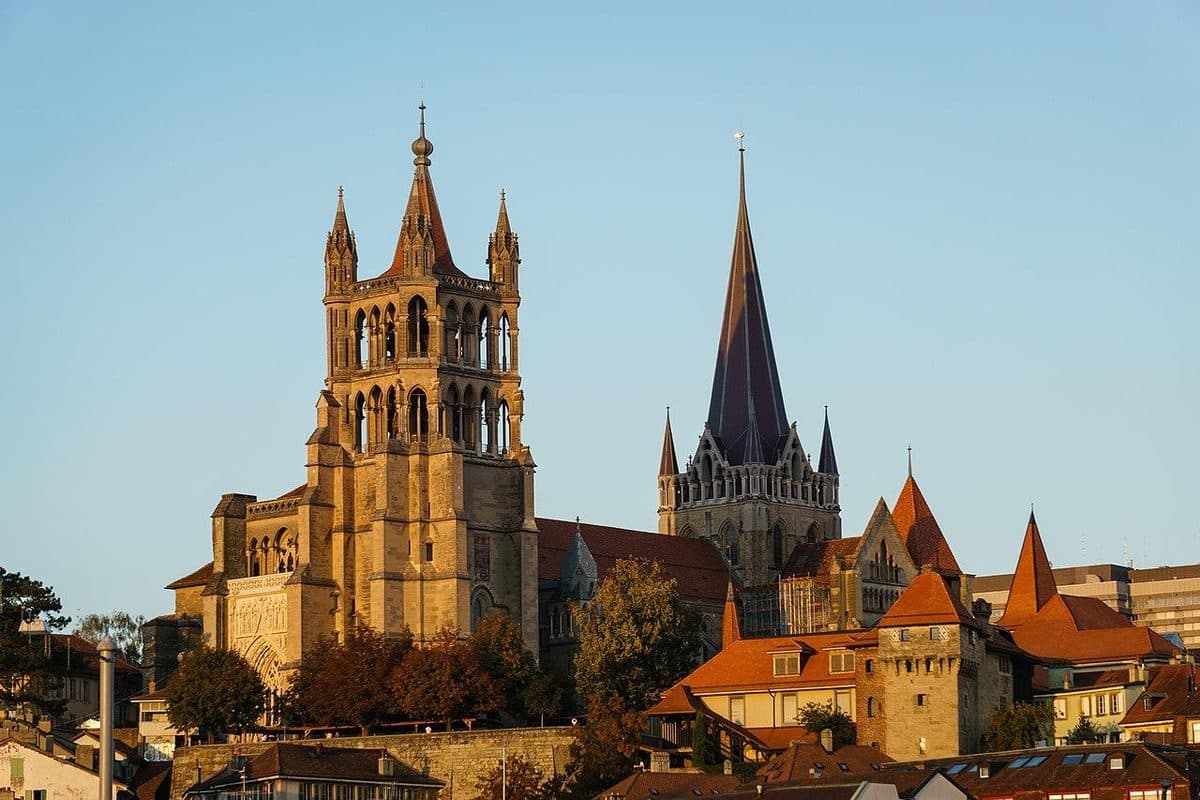
Lausanne, Switzerland
1536Bern conquered the Vaud from the duke of Savoy, which secured Geneva's independence and opened the region to the Reformation.
Brescia, Italy
1535Angela Merici founded the Company of St. Ursula in Brescia to teach girls. It became the first Catholic order of women devoted to education.
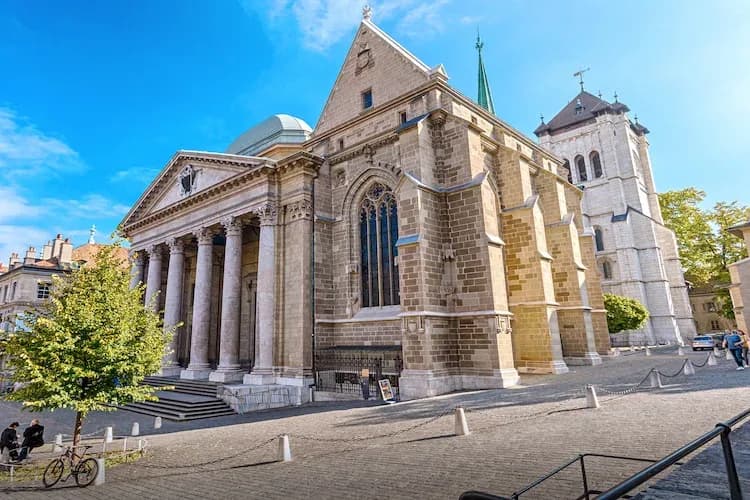
Basel and Geneva, Switzerland
1536John Calvin published the first edition of the Institutes of the Christian Religion in Basel. Geneva, where Guillaume Farel had preached since 1532, voted to adopt the Reformation in May. Calvin arrived that summer, and Farel persuaded him to stay.
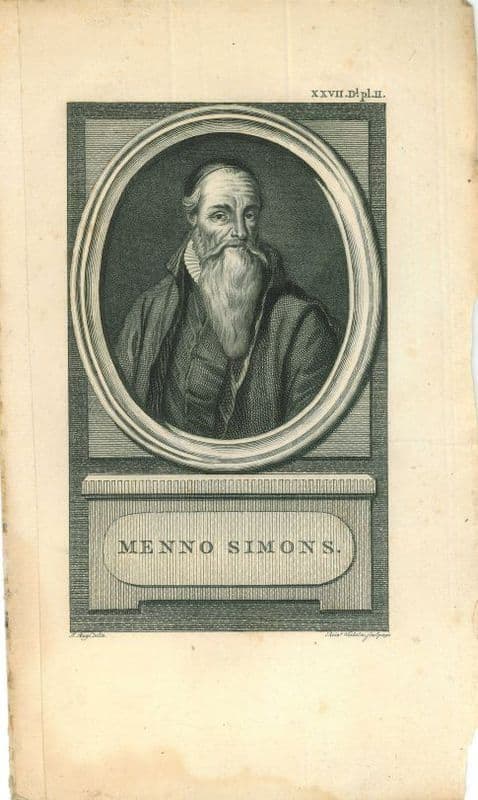
Friesland, Netherlands
1536Menno Simons, a Dutch priest, left the Catholic Church and joined the Anabaptists. He became the leading organizer of their peaceful wing.
Vilvoorde, Belgium
1536William Tyndale was strangled and burned near Brussels for heresy.
Rome, Italy
1537A commission of cardinals appointed by Paul III reported on abuses in the church. Its report criticized the sale of offices, absentee bishops, and the misuse of papal power.
Strasbourg, France
1538-1541Expelled from Geneva, Calvin served as pastor to French refugees in Strasbourg and worked alongside Martin Bucer. He returned to Geneva in 1541.
Leipzig and Berlin, Germany
1539Duke George of Saxony, a firm opponent of Luther, died. His brother Henry introduced the Lutheran Reformation in ducal Saxony, and the elector of Brandenburg did the same in his lands that year.
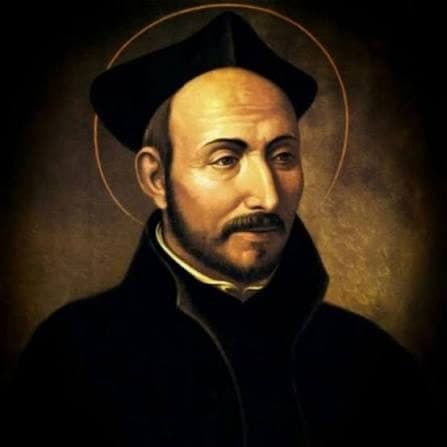
Rome, Italy
1540Pope Paul III approved the Society of Jesus, founded by Ignatius of Loyola.
Regensburg, Germany
1541Catholic and Protestant theologians met at Regensburg at the emperor's request. They reached agreement on justification but not on the authority of the church or the sacraments.
Rome, Italy
1542Paul III established the Roman Inquisition, a central court of cardinals to try cases of heresy.
Wittenberg, Germany
1543Luther published On the Jews and Their Lies, calling for synagogues to be burned and Jews expelled.
Torgau, Germany
1544Luther dedicated the chapel of Hartenfels Castle at Torgau on 5 October. It had been built for Protestant worship.
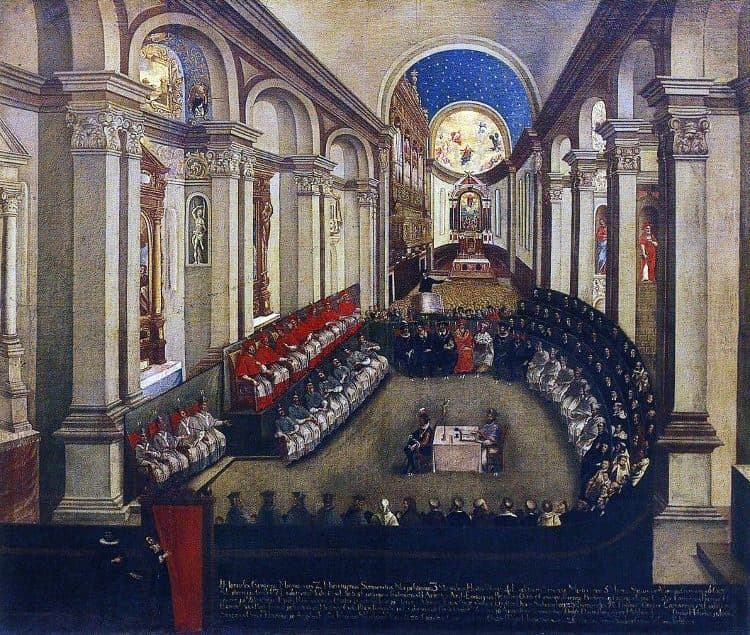
Trento, Italy
1545The Council of Trent opened on 13 December. It met in three periods until 1563.
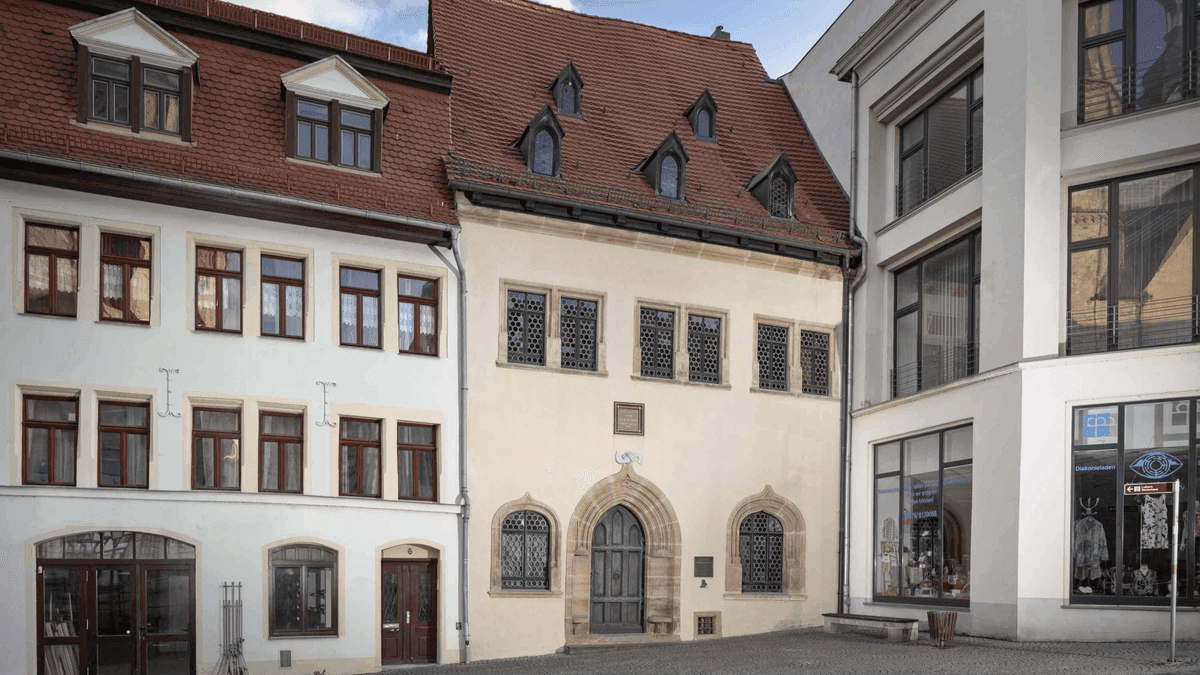
Eisleben, Germany
1546Luther died on 18 February in Eisleben, the town of his birth.
Trento, Italy
1546-1547In its first period the council ruled that Scripture and apostolic traditions are both to be received with reverence, declared the Latin Vulgate the official text, and issued its decree on justification in January 1547.
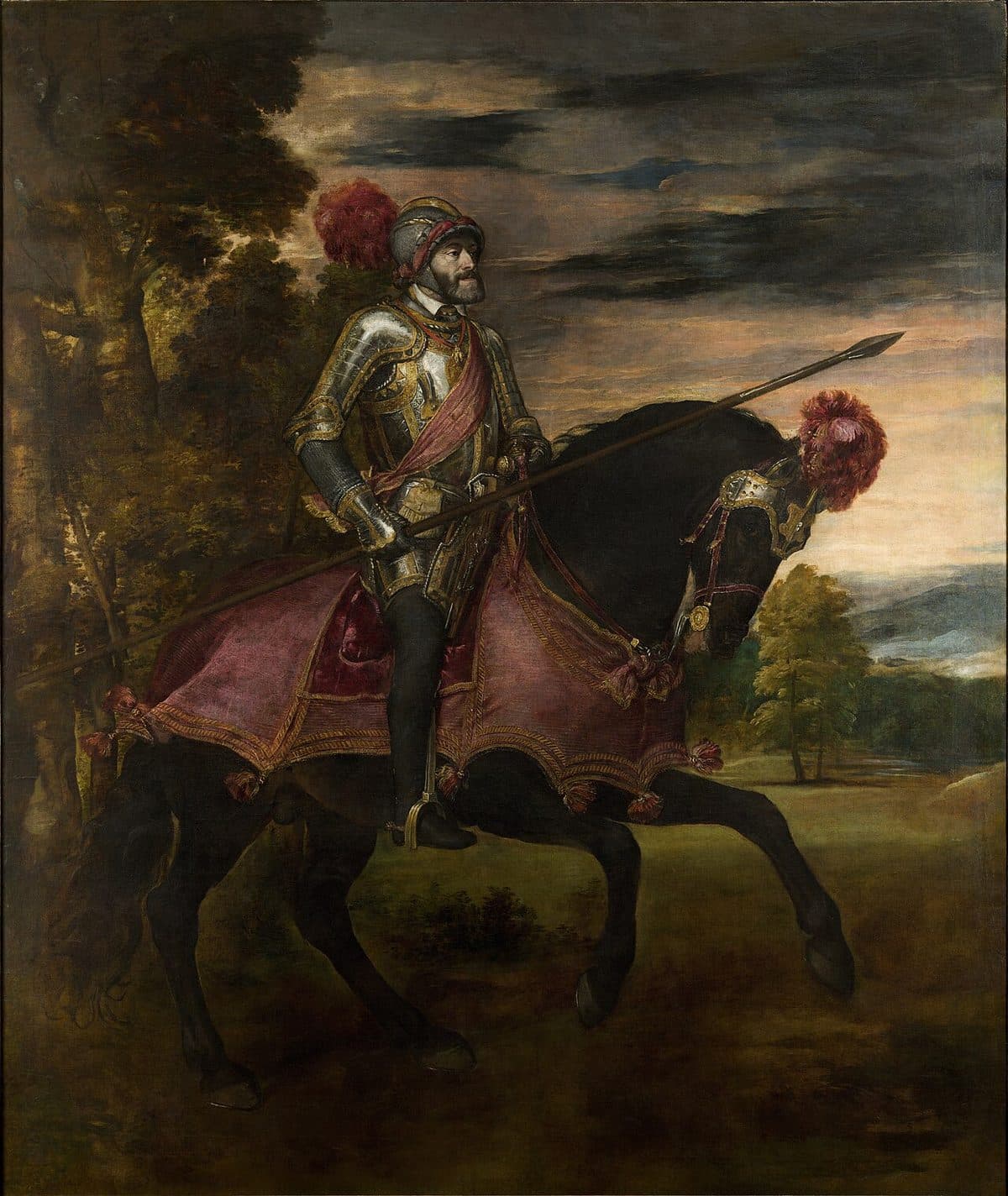
Mühlberg and Augsburg, Germany
1547-1548Charles V defeated the Schmalkaldic League at Mühlberg and captured Elector John Frederick of Saxony. The following year he imposed a temporary religious settlement, the Augsburg Interim.
Rome and Messina, Italy
1548Paul III approved the Spiritual Exercises of Ignatius of Loyola, a manual for a month of guided prayer and self-examination. In the same year the Jesuits opened their first school for lay students, at Messina.
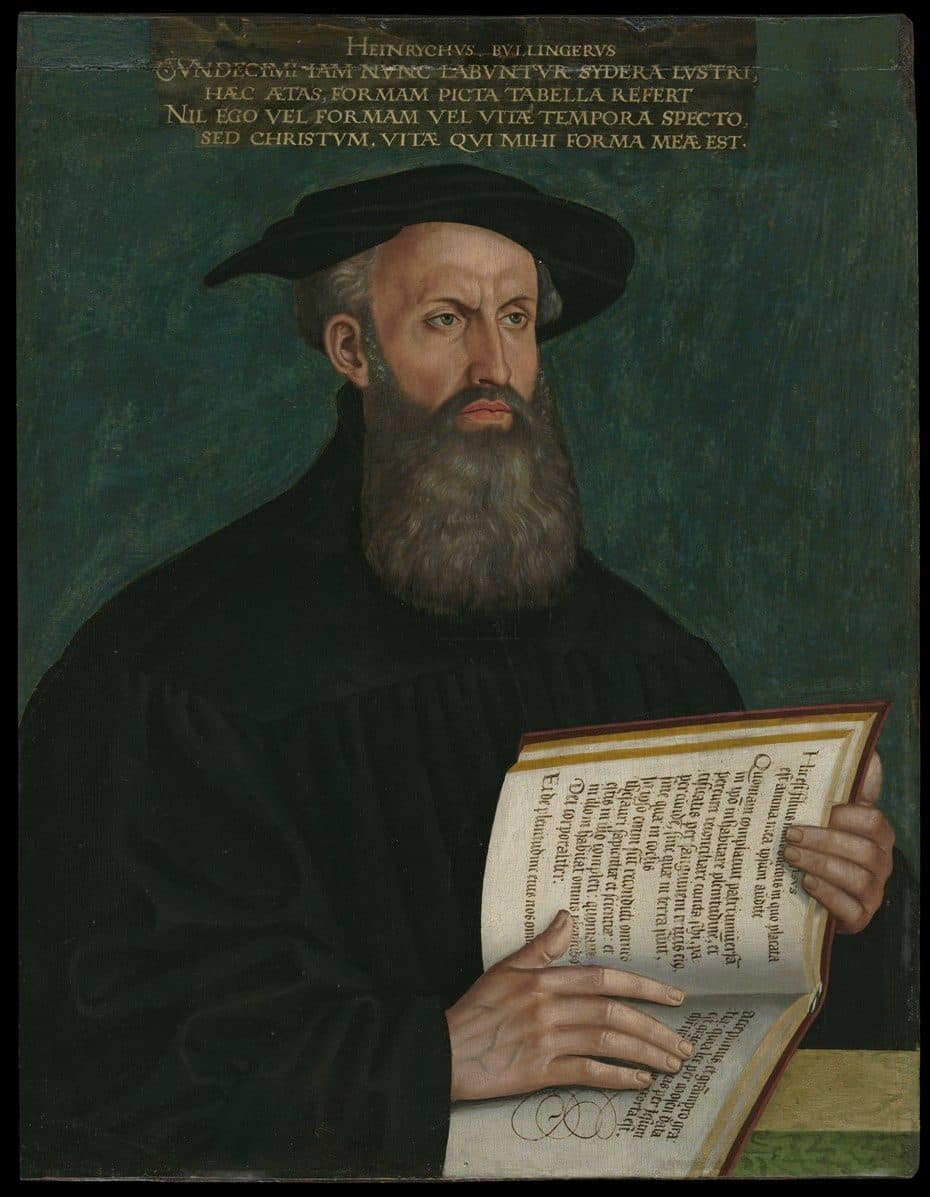
Zurich, Switzerland
1549Heinrich Bullinger and John Calvin agreed on a common statement on the Lord's Supper, the Consensus Tigurinus.
London, England
1549The first Book of Common Prayer, prepared by Archbishop Thomas Cranmer, set out services in English for the Church of England.
Ingolstadt, Germany
1549The Jesuit Peter Canisius began teaching at Ingolstadt. Over the following decades he founded colleges across the German lands, published a widely used catechism in 1555, and spent his last years at Fribourg in Switzerland.
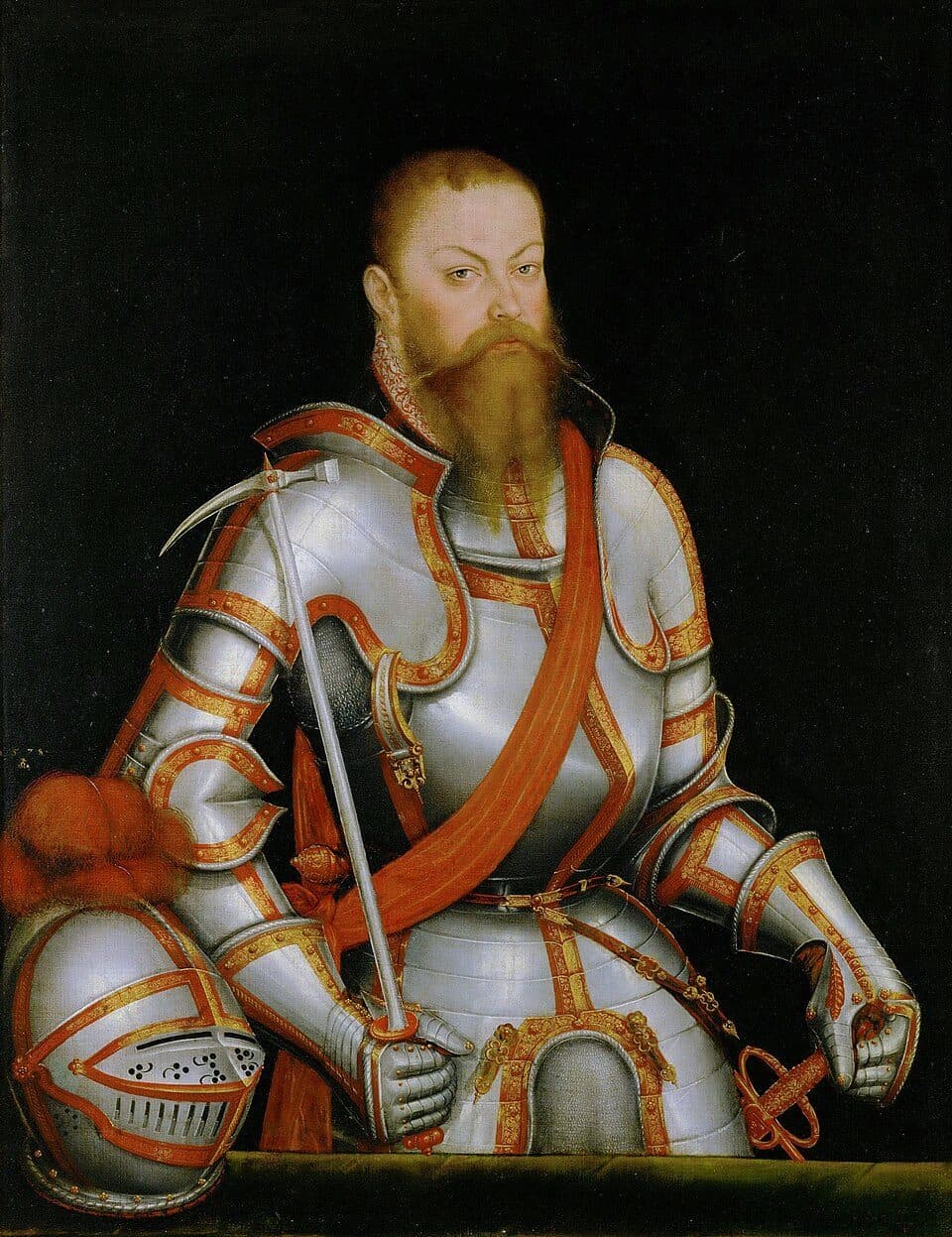
Innsbruck and Passau, Austria and Germany
1552Maurice of Saxony and other princes, allied with King Henry II of France, turned on Charles V, who fled Innsbruck. The Peace of Passau released the captive princes and granted the Lutherans toleration until the next diet.
Rome, Italy
1552Ignatius of Loyola founded the German College in Rome to train priests for the German lands.
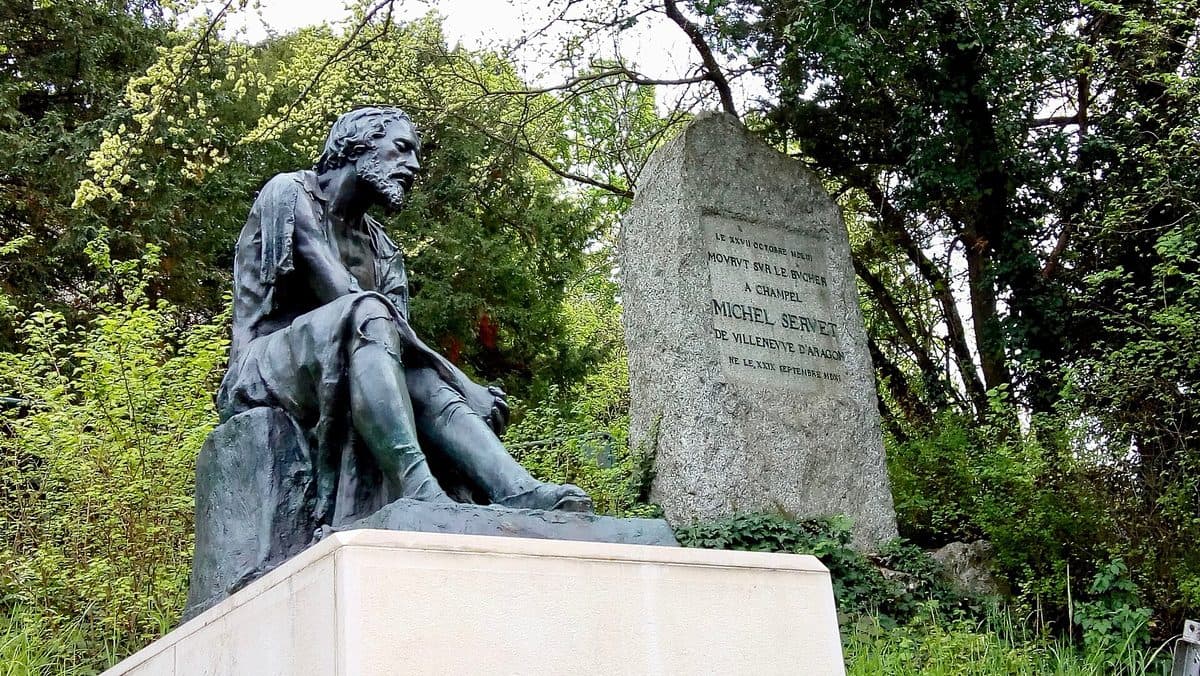
Geneva, Switzerland
1553Michael Servetus, who denied the doctrine of the Trinity, was burned at the stake in Geneva on 27 October.
London, England
1553-1558Queen Mary I returned England to obedience to Rome. About 280 Protestants were burned during her reign, and many others fled to Zurich, Geneva, Basel, Strasbourg, and Frankfurt.
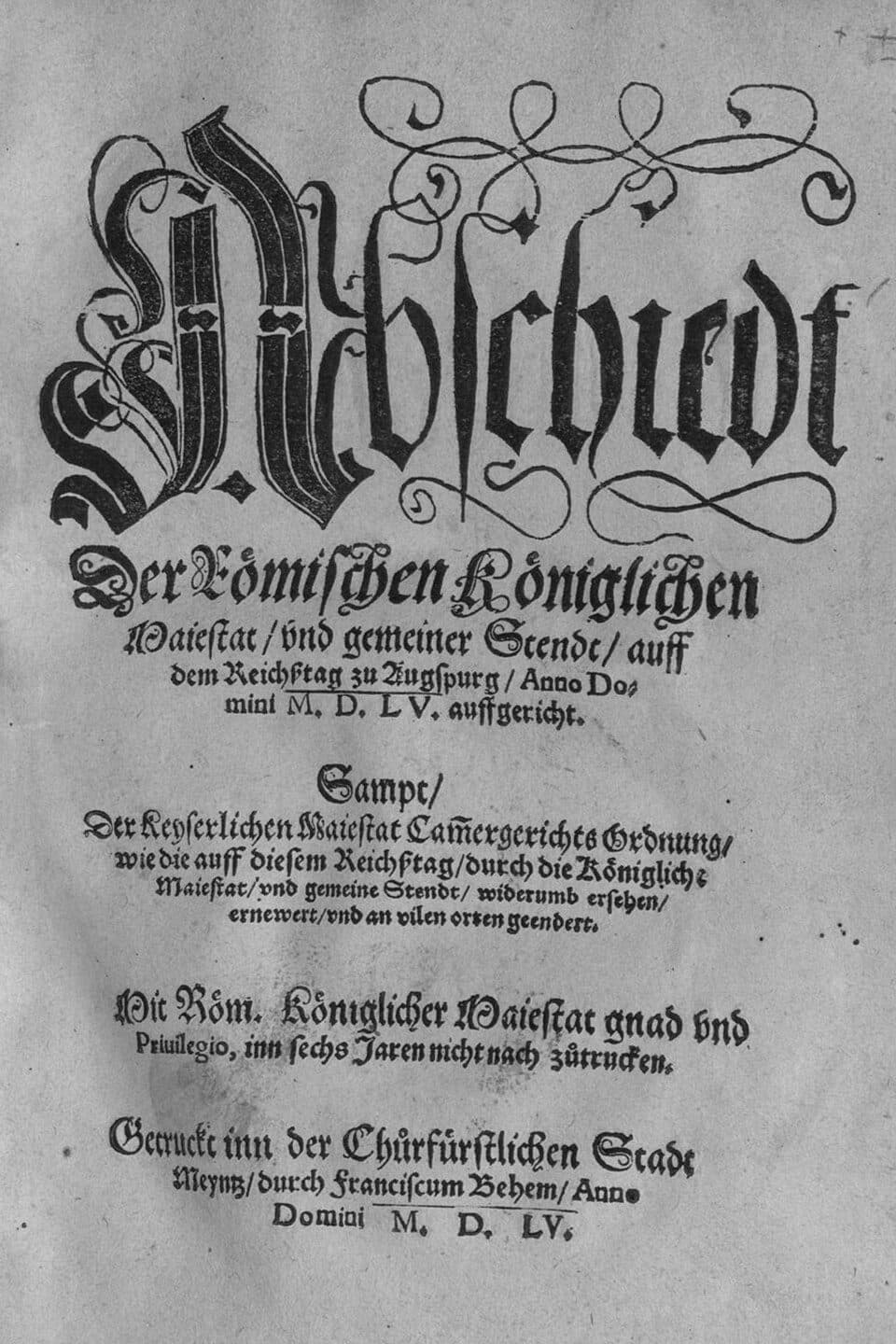
Augsburg, Germany
1555The Peace of Augsburg allowed each ruler in the Empire to choose Catholicism or the Augsburg Confession for his territory. Other confessions were excluded.
Gruyères, Switzerland
1555The last count of Gruyère went bankrupt, and his creditors divided his lands. Catholic Fribourg took the town of Gruyères, and Reformed Bern took the upper valleys.
Oxford, England
1555-1556Bishops Hugh Latimer and Nicholas Ridley were burned in Oxford on 16 October 1555. Archbishop Thomas Cranmer was burned there on 21 March 1556.
Brussels, Belgium
1555-1556Charles V gave up his crowns. His brother Ferdinand took the Empire and the Austrian lands, and his son Philip II took Spain, the Netherlands, and the Italian territories.
Geneva, Switzerland
1556-1559John Knox served as pastor to English-speaking exiles in Geneva. He returned to Scotland in 1559, and the Scottish Parliament adopted a Reformed confession the following year.
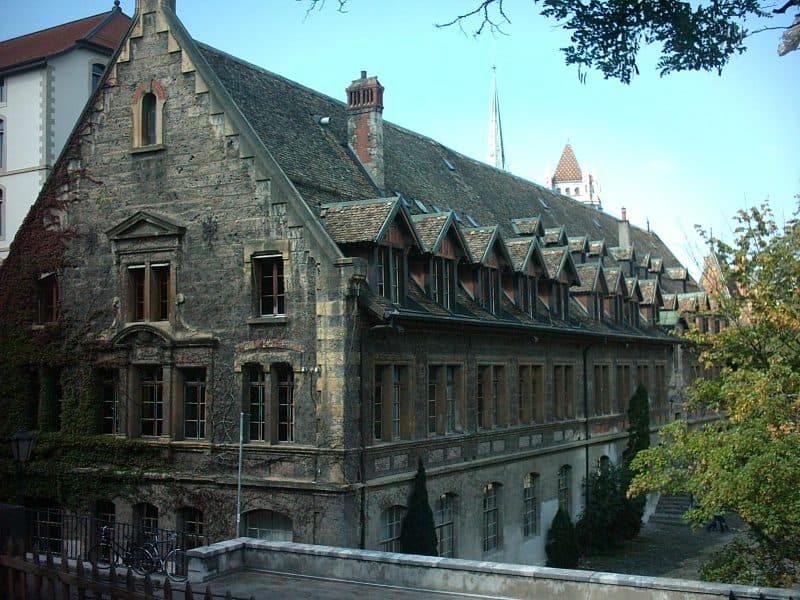
Geneva, Switzerland
1559-1560Calvin founded the Geneva Academy with Theodore Beza as its first rector. English exiles in the city published the Geneva Bible the following year.
Rome, Italy
1559Pope Paul IV issued the first Roman Index of Prohibited Books.
London, England
1559Under Queen Elizabeth I, Parliament restored royal supremacy over the Church of England and required the use of the Book of Common Prayer.
Ávila, Spain
1562Teresa of Ávila founded a convent of Carmelite nuns living under a stricter rule. With John of the Cross she extended the reform to houses of men.
Trento, Italy
1562-1563In its final period the council abolished the office of indulgence seller, required bishops to live in their dioceses, and ordered every diocese to found a seminary to train priests. It also reaffirmed the Mass, the seven sacraments, purgatory, and the use of images.
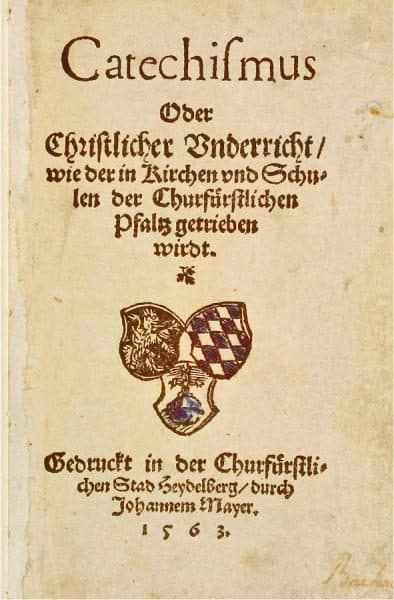
Heidelberg and Trento, Germany and Italy
1563The Heidelberg Catechism was published for the Reformed church of the Palatinate. The Council of Trent closed in December.
Geneva, Switzerland
1564John Calvin died in Geneva on 27 May. Theodore Beza succeeded him as leader of the Genevan church.
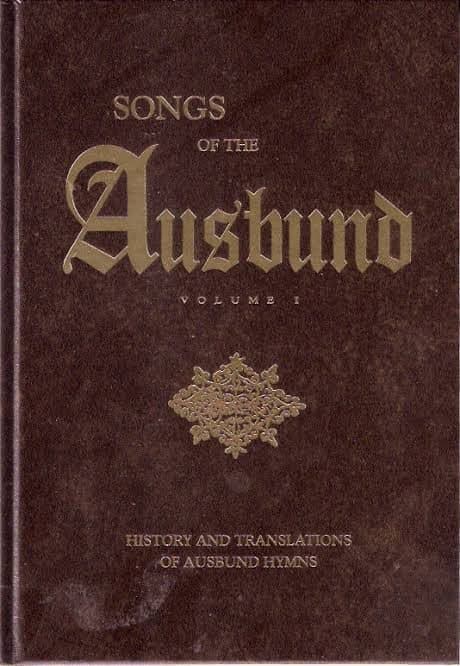
Passau, Germany
1564A hymnal was printed containing songs written by Anabaptists held in the castle prison at Passau in the 1530s. Known as the Ausbund, it is still used in Amish worship.
Milan, Italy
1565-1584Charles Borromeo, archbishop of Milan, put the council's decrees into practice with seminaries, parish visitations, and synods. He visited the Catholic valleys of Switzerland and in 1579 founded a college in Milan to train Swiss priests.
Zurich, Switzerland
1566The Second Helvetic Confession, written by Heinrich Bullinger, was adopted by the Reformed churches of Switzerland and beyond.
Rome, Italy
1566-1570Pope Pius V issued the Roman Catechism in 1566, a revised breviary in 1568, and a revised missal in 1570, giving the Catholic Church a uniform body of teaching and worship.
Rome, Italy
1567Pius V cancelled every indulgence that involved a payment.
Rome, Italy
1568-1584The Jesuits built the church of the Gesù in Rome. Its single wide nave, side chapels, and clear view of the altar and pulpit became the model for Catholic churches across Europe.
Lucerne and Altdorf, Switzerland
1574-1581The Jesuits opened a college in Lucerne in the 1570s, and the Capuchins founded a friary at Altdorf in 1581.
Milan, Italy
1577Borromeo published instructions on the building and furnishing of churches. They called for the tabernacle to stand on the high altar and introduced the enclosed confessional.
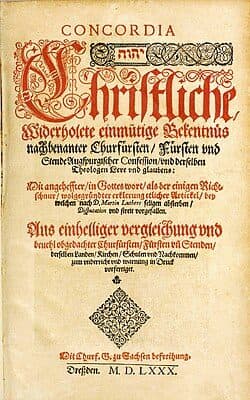
Dresden, Germany
1580The Book of Concord gathered the Lutheran confessions into a single collection.
Rome, Italy
1582Pope Gregory XIII reformed the calendar, dropping ten days to correct its drift. Catholic states adopted it at once, and most Protestant states refused for more than a century.
Munich, Germany
1583-1597Duke William V of Bavaria built St. Michael's Church in Munich for the Jesuits. Modeled on the Gesù, it was the largest Renaissance church north of the Alps.
Lucerne, Switzerland
1586The seven Catholic cantons formed the Golden League to defend the Catholic faith.
Rome, Italy
1588Pope Sixtus V reorganized the papal government into fifteen permanent congregations of cardinals.
Rome, Italy
1592Pope Clement VIII issued a corrected edition of the Latin Vulgate, which remained the standard Catholic Bible for centuries.
Appenzell, Switzerland
1597The canton of Appenzell divided into a Catholic half and a Reformed half.