01
Propositional
knowing that
What do we know to be true about reality?
In the book · Truth, authenticity, and the claims of information
The Digital Discernment ecosystem
The inconspicuous patterns of the digital world will reorder our loves, reshape our instincts, and distort our sense of how the world works if we don't develop digital discernment. Fact-checking is necessary but insufficient, because misformation happens even when what we are told is true.
The subtle misformation of the digital world
Your doctrinal convictions may not change, but your sense of the way the world works, your priorities, and your experience of the world can still shift. What we believe is no longer worked out in ways that are true to God's reality.
The digital world does not have to challenge orthodoxy explicitly. It can shift what we deem relevant, reward activities that are not conformed to Christ, and encourage us to pursue independence from God instead of depending on him.
We live in a world that promises ease without Sabbath, avoids transparency by increasing the amount of information it provides, and widens the distance between us and others while offering connection. It claims to expand our minds while it narrows our vision by denying and distorting God and his self-disclosure.
We were made in God's image to serve God, others, and creation for our mutual flourishing. Technology becomes a necessity after the Fall though it also encourages self-sufficiency. Our capacity as humans is fully realized not through technological feats but in dependence on and allegiance to the Triune God.
Disciplined inquiry
The Quad takes the four ways of knowing described by cognitive scientist John Vervaeke and puts them to theological work. Most accounts of digital discernment involve evaluating the veracity of a claim. We need to check claims, sources, and facts, but discernment without theological depth is just information literacy. The four ways of knowing alert us to where the digital world does most of its work, as well as offering a paradigm for thinking about and reflecting on the world around us.
What do we know to be true about reality?
What know-how do we bring to the world?
What are we deeming most important?
What world of meaning are we co-creating with our environment?
Vervaeke described how human beings know. Digital Discernment asks what each way of knowing looks like when the Triune God is recognized as a personal God who is active and present.
Buy the book →The app and assessment
Maturity is a condition. The assessment does not measure your spiritual maturity. It helps you recognize trends in your life that may inform your ongoing practice.
The app asks questions, encourages you to think through your answers, and helps you consider what you've actually said. It is intended to provide guided self-reflection so that you can chart a course forward toward greater digital discernment.
Start here
The assessment can be purchased separately for a one-time fee of $16.99. It includes a downloadable report and a matched study guide. Purchasing the annual plan for the app gives you access to the assessment, as well as two recalibrations where you will retake the assessment and revisit your digital practices. The app also includes:
The book
A theological account of formation in a digital age, joining biblical theology, spiritual formation, and information literacy. Forthcoming from IVP in June 2027.
Buy the bookThe author
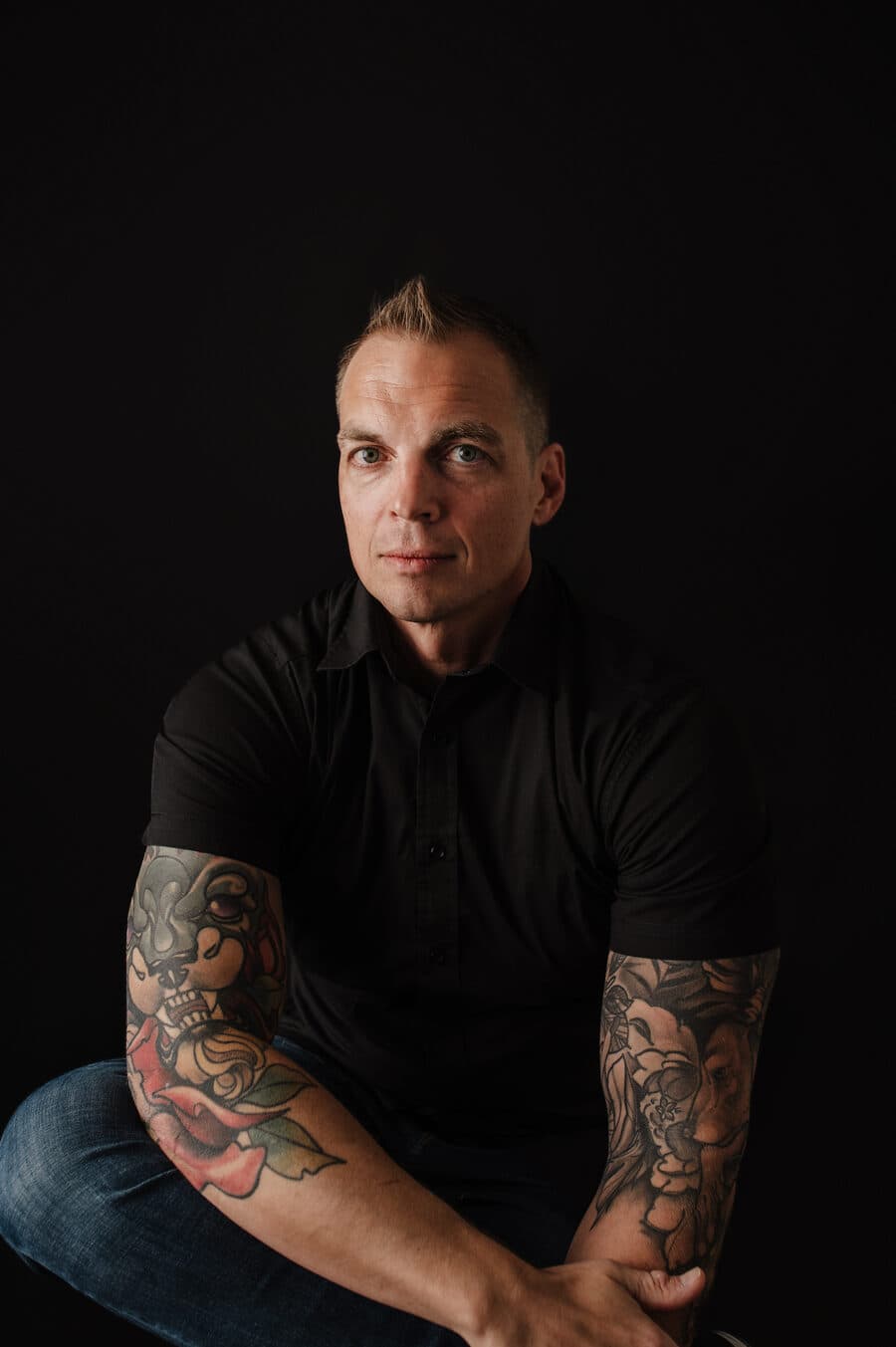
James Spencer is a theologian, author, and host of the Thinking Christian podcast, writing on Christian formation, political theology, and technology. He holds a PhD in Theological Studies from Trinity Evangelical Divinity School, teaches in Wheaton College's MA in Leadership program, and is an Associate Research Fellow at the Kirby Laing Centre for Public Theology.
He is the author of Serpents and Doves: Christians, Politics, and the Art of Bearing Witness and Christian Resistance: Learning to Defy the World and Follow Christ. His writing has appeared in The Wall Street Journal, The Washington Times, Sojourners, and Christianity.com.
He and his wife, Kim, live in central Illinois with their four children.
Removing the tools is not the answer, and neither is doubling down on them. What is required is for Christians to live according to the logic of the cross, dependent on God, and in harmony with God's creation, whether the world is digital or analog.